
 “Coronavirus disease 2019 (COVID-19) is a highly infectious respiratory disease caused by the severe acute respiratory syndrome coronavirus 2. A significant proportion of COVID-19 patients develop Acute Respiratory Distress Syndrome (ARDS) resulting from hyperactivation of the immune system and cytokine storm, which leads to respiratory and multi-organ failure, and death. Currently, there are no effective treatments against hyperimmune syndrome and ARDS.
We propose that because immune cells express cannabinoid receptors and their agonists are known to exhibit potent anti-inflammatory activity, targeting cannabinoid receptors, and endocannabinoids deserve intense investigation as a novel approach to treat systemic inflammation, cytokine storm, and ARDS in patients with COVID-19.”
https://pubmed.ncbi.nlm.nih.gov/33240092/
“The fact that cells of the immune system produce endocannabinoids and express both CB1 and CB2 cannabinoid receptors provides unique opportunities into investigating how the cannabinoid system can be engineered to suppress inflammation using both exogenous and endogenous cannabinoids. Because cannabinoids are potent suppressors of inflammation as evidenced by their ability to suppress cytokine storm in animal models, they may serve as novel therapeutic agents to treat cytokine storm and ARDS that are seen in patients with or without COVID-19. There is a dire need for novel anti-inflammatory agents that exert broad spectrum cytokine suppression associated with ARDS considering that currently up to 40% of such patients, including those with COVID-19, die because currently there are no FDA-approved drugs that are highly effective against cytokine storm and ARDS.”
https://www.frontiersin.org/articles/10.3389/fphar.2020.589438/full
 “Cannabidiol (CBD) has anti-tumorigenic activity. However, the anti-cancer effect of CBD on head and neck squamous cell carcinoma (HNSCC) remains unclear. The cytotoxicity of CBD on HNSCC was analyzed using cell survival and colony-forming assays in vitro.
 “Research within a gynecologic oncology population has lagged behind the uptake in use of medical cannabis for symptom control. This study seeks to evaluate patient experience with prescribed medical cannabis obtained through licensed dispensaries in women with gynecologic malignancies.
 “The potential therapeutic use of some Cannabis sativa plant compounds has been attracting great interest, especially for managing neuropsychiatric disorders due to the relative lack of efficacy of the current treatments.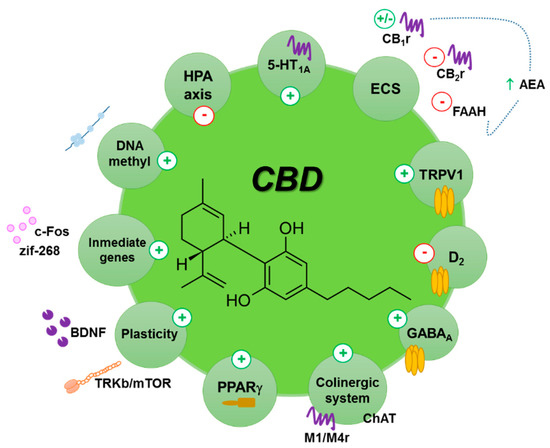
 “Little is known about the patients’ view on treatment with medical cannabis (MC) for Parkinson’s disease (PD).
 “With the current COVID-19 pandemic, caused by the severe acute respiratory syndrome coronavirus 2 (SARS-CoV-2), there is an urgent need for new therapies and prevention strategies that can help curtail disease spread and reduce mortality.
 “Objectives: To assess the motivation of cancer survivors to consume medical cannabis and to assess the patterns of use, perceived efficacy, as well as side and adverse effects.
 “The COVID-19 pandemic caused by SARS-CoV-2 is a deadly disease afflicting millions. The pandemic continues affecting population due to nonavailability of drugs and vaccines. The pathogenesis and complications of infection mainly involve hyperimmune-inflammatory responses. Thus, therapeutic strategies rely on repurposing of drugs aimed at reducing infectivity and inflammation and modulate immunity favourably.
 “Background: Frontotemporal dementia (FTD) is characterized by progressive deterioration in behaviors, executive function and/or language. The behavioral variant (Bv) is characterized by disinhibition and obsessive/compulsive behaviors. These symptoms are sometimes resistant to medications. This series examines patients suffering with treatment-resistant Bv-FTD who were prescribed cannabinoid and related compounds for other indications.