“Cannabidiol (CBD) is considered a non-psychoactive, antioxidant, and anti-inflammatory compound derived from the Cannabis sativa plant.
There are various reports on the versatile function of CBD, including ameliorating chronic inflammation and fibrosis formation in several tissue types.
This review focused on the anti-inflammation and anti-fibrotic effects of CBD based on modulating the associated chemokines/cytokines and receptor-mediated pathways.
This review thus recommends the continued study of CBD’s molecular mechanism in treating established and emerging inflammatory and fibrosis-related diseases.”
“Cannabidiol (CBD) is a non-intoxicating phytocannabinoid from cannabis sativa that has demonstrated anti-inflammatory effects in several inflammatory conditions including arthritis.
In this study, we show that CBD increases intracellular calcium levels, reduces cell viability and IL-6/IL-8/MMP-3 production of rheumatoid arthritis synovial fibroblasts (RASF).
CBD reduced cell viability, proliferation, and IL-6/IL-8 production of RASF. Moreover, CBD increased intracellular calcium and uptake of the cationic viability dye PoPo3 in RASF, which was enhanced by pre-treatment with TNF.
Thus, CBD possesses anti-arthritic activity and might ameliorate arthritis via targeting synovial fibroblasts under inflammatory conditions.”
“In conclusion, CBD might be beneficial as an adjuvant treatment in rheumatoid arthritis that might support the action of currently used disease-modifying anti-rheumatic drugs.”
“Staphylococcal enterotoxin B (SEB) is a potent activator of Vβ8+T-cells resulting in the clonal expansion of ∼30% of the T-cell pool. Consequently, this leads to the release of inflammatory cytokines, toxic shock, and eventually death.
In the current study, we investigated if Δ9tetrahydrocannabinol (THC), a cannabinoid known for its anti-inflammatory properties, could prevent SEB-induced mortality and alleviate symptoms of toxic shock.
Key Results
Exposure to SEB resulted in acute mortality, while THC treatment led to 100% survival of mice. SEB induced the miRNA-17-92 cluster, specifically miRNA-18a, which targeted Pten (phosphatase and tensin homologue), an inhibitor of the PI3K/Akt signalling pathway, thereby suppressing T-regulatory cells. In contrast, THC treatment inhibited the individual miRNAs in the cluster, reversing the effects of SEB.
Conclusions and Implications
We report, for the first time a role for the miRNA 17–92 cluster in SEB-mediated inflammation. Furthermore, our results suggest that THC is a potent anti-inflammatory compound that may serve as a novel therapeutic to suppress SEB-induced pulmonary inflammation by modulating critical miRNA involved in SEB-induced toxicity and death.
Δ9-Tetrahydrocannabinol (THC) is a marijuana plant-derived cannabinoid known for its robust anti-inflammatory and immunosuppressive properties. The anti-inflammatory and immunosuppressive effects of THC are diverse and function effectively to abrogate a number of inflammatory processes.
Taken together, our data demonstrate that THC is a strong anti-inflammatory agent capable of rescuing mice from SEB-mediated toxicity and death.”
“Staphylococcal enterotoxin‐B (SEB) is one of the most potent bacterial superantigens that exerts profound toxic effects by inducing cytokine storm. When SEB is inhaled, it can cause Acute Respiratory Distress Syndrome (ARDS), which is often fatal and currently there are no effective treatment modalities.
Experimental Approach
We used mouse model of SEB‐mediated ARDS to test the efficacy of Δ9‐tetrahydrocannabinol (THC). These mice were monitored for lung inflammation, alterations in gut and lung microbiota and production of short‐chain fatty acids (SCFA). Gene dysregulation of lung epithelial cells was studied by transcriptome arrays. Fecal microbiota transplantation (FMT) was performed to confirm the role of microbiota in suppressing ARDS.
Key results
While SEB triggered ARDS and 100% mortality in mice, THC protected the mice from fatality effects. Pyrosequencing analysis revealed that THC caused significant and similar alterations in microbiota in the lungs and gut of mice exposed to SEB. THC significantly increased the abundance of beneficial bacterial species, Ruminococcus gnavus, but decreased pathogenic microbiota, Akkermansia muciniphila. FMT confirmed that THC‐mediated reversal of microbial dysbiosis played crucial role in attenuation of SEB‐mediated ARDS. THC treatment also led to increase in SCFA, of which propionic acid was found to inhibit the inflammatory response. Transcriptome array showed that THC up‐regulated several genes like lysozyme‐1&2, β‐defensin‐2, claudin, zonula‐1, occludin‐1, Mucin2 and Muc5b while downregulating β‐defensin‐1.
Conclusions
Current study demonstrates for the first time that THC attenuates SEB‐mediated ARDS and toxicity by altering the microbiota in the lungs and the gut as well as promoting anti‐microbial and anti‐inflammatory pathways.”
Researchers found that Δ9-tetrahydrocannabinol (THC) completely prevented death in a mouse model of acute respiratory distress syndrome (ARDS) triggered by staphylococcal enterotoxin B. The untreated condition produced 100% mortality, while THC-treated mice showed 100% survival.
THC also reduced severe lung inflammation and suppressed the cytokine storm associated with the lethal immune response. The researchers linked this protection to the induction of apoptosis in activated immune cells and changes in mitochondrial pathways involved in inflammatory damage.
The findings suggest that THC was able to interrupt an otherwise fatal inflammatory cascade in this experimental model, leading the authors to conclude that THC may have therapeutic potential for ARDS and other conditions involving cytokine storm.
“Acute Respiratory Distress Syndrome (ARDS) causes up to 40% mortality in humans and is difficult to treat. ARDS is also one of the major triggers of mortality associated with coronavirus-induced disease (COVID-19). We used a mouse model of ARDS induced by Staphylococcal enterotoxin B (SEB), which triggers 100% mortality, to investigate the mechanisms through which Δ9-tetrahydrocannabinol (THC) attenuates ARDS.
SEB was used to trigger ARDS in C3H mice. These mice were treated with THC and analyzed for survival, ARDS, cytokine storm, and metabolome. Additionally, cells isolated from the lungs were used to perform single-cell RNA sequencing and transcriptome analysis. A database analysis of human COVID-19 patients was also performed to compare the signaling pathways with SEB-mediated ARDS.
The treatment of SEB-mediated ARDS mice with THC led to a 100% survival, decreased lung inflammation, and the suppression of cytokine storm. This was associated with immune cell apoptosis involving the mitochondrial pathway, as suggested by single-cell RNA sequencing. A transcriptomic analysis of immune cells from the lungs revealed an increase in mitochondrial respiratory chain enzymes following THC treatment. In addition, metabolomic analysis revealed elevated serum concentrations of amino acids, lysine, n-acetyl methionine, carnitine, and propionyl L-carnitine in THC-treated mice. THC caused the downregulation of miR-185, which correlated with an increase in the pro-apoptotic gene targets. Interestingly, the gene expression datasets from the bronchoalveolar lavage fluid (BALF) of human COVID-19 patients showed some similarities between cytokine and apoptotic genes with SEB-induced ARDS.
Collectively, this study suggests that the activation of cannabinoid receptors may serve as a therapeutic modality to treat ARDS associated with COVID-19.”
“Δ9-tetrahydrocannabinol (THC) is a psychoactive cannabinoid derived from Cannabis sativa that has potential therapeutic value for pain relief, control of nausea and vomiting, appetite stimulation, and its anti-inflammatory properties [7]. Indeed, a previous report from our laboratory showed that exposure to THC prior to the administration of SEB can prevent SEB-induced ARDS and associated mortality through the miRNA (miR) regulation of regulatory T cells [8]. In the current study, we tested whether THC administration after exposure to SEB would prevent SEB-mediated ARDS; to further understand the mechanisms, we used single-cell RNA sequencing (scRNA-seq) of cells isolated from the lungs.”
“The current study concludes that the treatment of mice with THC post-SEB challenge protects mice from SEB-mediated toxicity by inhibiting inflammation and ARDS through the modulation of miRs targeting mitochondria-related apoptotic genes. Because SEB is a superantigen that drives cytokine storm, our studies revealed that THC is a potent anti-inflammatory agent that has the potential to be used as a therapeutic modality to treat SEB-induced ARDS. Importantly, the metabolomic and metabolic profiling indicates profound effects on mitochondrial functions that may be responsible for the anti-inflammatory activity of THC. This study also concludes that THC may mediate its effects through downregulating the expression of miR-185-3p and the consequent upregulation of apoptotic genes and pathways; thus, targeting miR-185-3p may constitute another therapeutic modality for the alleviation of ARDS. Using gene expression datasets from the BALF of human COVID-19 patients, we found similarities between the cytokine and apoptotic genes with SEB-induced ARDS. Thus, our data suggests that THC may be useful in treating ARDS and cytokine storm seen in COVID-19 patients.”
“Coronavirus disease-2019 (COVID-19) pandemic caused by the severe acute respiratory syndrome coronavirus-2 (SARS-CoV-2) is evolving across the world and new treatments are urgently needed as with vaccines to prevent the illness and stem the contagion. The virus affects not only the lungs but also other tissues, thus lending support to the idea that COVID-19 is a systemic disease. The current vaccine and treatment development strategies ought to consider such systems medicine perspectives rather than a narrower focus on the lung infection only.
COVID-19 is associated with elevated levels of the inflammatory cytokines such as interleukin-6 (IL-6), IL-10, and interferon-gamma (IFN-γ). Elevated levels of cytokines and the cytokine storm have been linked to fatal disease. This suggests new therapeutic strategies through blocking the cytokine storm. IL-6 is one of the major cytokines associated with the cytokine storm. IL-6 is also known to display pleiotropic/diverse pathophysiological effects. We suggest the blockage of IL-6 signaling and its downstream mediators such as Janus kinases (JAKs), and signal transducer and activators of transcription (STATs) offer potential hope for the treatment of severe cases of COVID-19. Thus, repurposing of already approved IL-6-JAK-STAT signaling inhibitors as well as other anti-inflammatory drugs, including dexamethasone, is under development for severe COVID-19 cases.
We conclude this expert review by highlighting the potential role of precision herbal medicines, for example, the Cannabis sativa, provided that omics technologies can be utilized to build a robust scientific evidence base on their clinical safety and efficacy. Precision herbal medicine buttressed by omics systems science would also help identify new molecular targets for drug discovery against COVID-19.”
“Cannabis sativa is a plant known to contain anti-inflammatory compounds such as cannabinoid cannabidiol. In addition to other compounds such as terpenes, these compounds have been suggested to have potential anticancer properties. Like other herbal plants, we suggest C. sativa warrants further mechanistic research in relationship to putative effects in COVID-19.”
“Cannflavins are a group of prenylflavonoids derived from Cannabis sativa L.. Cannflavin A (CFL-A), B (CFL-B) and C (CFL-C) have been heralded for their anti-inflammatory properties in pre-clinical evaluations.
This scoping review aims to synthesise the evidence base on cannflavins to provide an overview of the current research landscape to inform research strategies to aid clinical translation.
Results: 26 full text articles were included. CFL-A and CFL-B demonstrated potent anti-inflammatory activity via inhibition of 12-o-tetradecanoylphorbol 13-acetate induced PGE2 release (CFL-A half maximal inhibitory concentration (IC50): 0.7 μM; CFL-B IC50: 0.7 μM) and microsomal prostaglandin E synthase-1 (CFL-A IC50: 1.8 μM; CFL-B IC50: 3.7 μM). Outcomes were also described in preclinical models of anti-oxidation (CFL-A), anti-parasitic activity (CFL-A, CFL-C), neuroprotection (CFL-A) and cancer (Isocannflavin B, a CFL-B isomer). In-silico screening identified that CFL-A has binding affinity with viral proteins that warrant further investigation.
Conclusions: Cannflavins demonstrate a number of promising therapeutic properties, most notably as an anti-inflammatory agent. Low yields of extraction however have previously limited research to small pre-clinical investigations. Identification of cannflavin-rich chemovars, novel extraction techniques and recent identification of a biosynthetic pathway will hopefully allow research to be scaled appropriately. In order to fully evaluate the therapeutic properties of cannflavins focused research now needs to be embedded within institutions with a track-record of clinical translation.”
“The endocannabinoid signaling system (ECSS) is altered by exposure to stress and mediates and modulates the effects of stress on the brain.
Considerable preclinical data support critical roles for the endocannabinoids and their target, the CB1 cannabinoid receptor, in the adaptation of the brain to repeated stress exposure.
Chronic stress exposure increases vulnerability to mental illness, so the ECSS has attracted attention as a potential therapeutic target for the prevention and treatment of stress-related psychopathology.
We discuss human genetic studies indicating that the ECSS contributes to risk for mental illness in those exposed to severe stress and trauma early in life, and we explore the potential difficulties in pharmacological manipulation of the ECSS.”
“Inspired by the medicinal properties of the plant Cannabis sativa and its principal component (-)-trans-Δ9-tetrahydrocannabinol (THC), researchers have developed a variety of compounds to modulate the endocannabinoid system in the human brain.
Inhibitors of fatty acid amide hydrolase (FAAH) and monoacylglycerol lipase (MAGL), which are the enzymes responsible for the inactivation of the endogenous cannabinoids anandamide and 2-arachidonoylglycerol, respectively, may exert therapeutic effects without inducing the adverse side effects associated with direct cannabinoid CB1 receptor stimulation by THC.
Here we review the FAAH and MAGL inhibitors that have reached clinical trials, discuss potential caveats, and provide an outlook on where the field is headed.”
“Keratinocytes, the major cell type of the epidermis, are particularly sensitive to environmental factors including exposure to sunlight and chemical agents. Since oxidative stress may arise as a result of these factors, compounds are actively sought that can act as protective agents.
Recently, cannabidiol (CBD), a phytocannabinoid found in Cannabis Sativa L., has gained increased interest due to its anti-inflammatory and antioxidant properties, and absence of psychoactive effects.
This prompted us to analyze the protective effects of CBD on keratinocytes exposed to UVB irradiation and hydrogen peroxide.
Together, these findings suggest that CBD could be a potential protective agent for keratinocytes against the harmful effects of irradiation and chemical environmental factors that cause oxidative stress.”

 “Cannabidiol (CBD) is considered a non-psychoactive, antioxidant, and anti-inflammatory compound derived from the Cannabis sativa plant.
 “Cannabidiol (CBD) is a non-intoxicating phytocannabinoid from cannabis sativa that has demonstrated anti-inflammatory effects in several inflammatory conditions including arthritis.
 “Staphylococcal enterotoxin B (SEB) is a potent activator of Vβ8+T-cells resulting in the clonal expansion of ∼30% of the T-cell pool. Consequently, this leads to the release of inflammatory cytokines, toxic shock, and eventually death.
 “Staphylococcal enterotoxin‐B (SEB) is one of the most potent bacterial superantigens that exerts profound toxic effects by inducing cytokine storm. When SEB is inhaled, it can cause Acute Respiratory Distress Syndrome (ARDS), which is often fatal and currently there are no effective treatment modalities.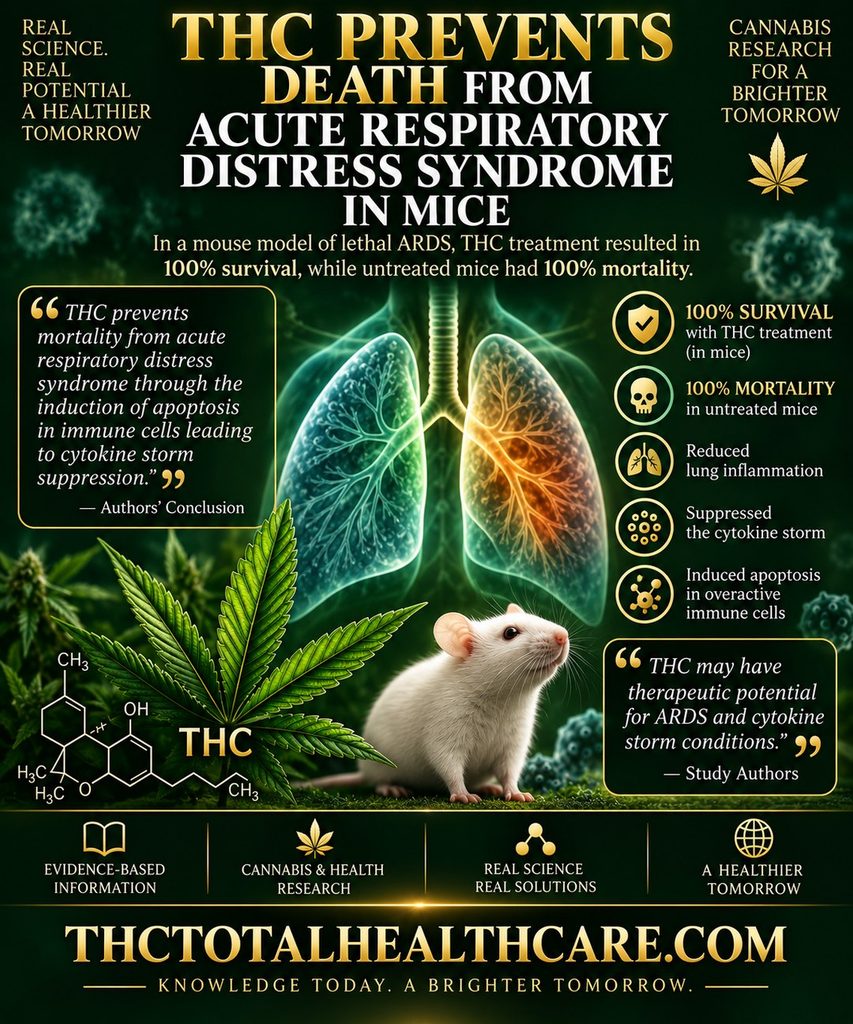
 “Coronavirus disease-2019 (COVID-19) pandemic caused by the severe acute respiratory syndrome coronavirus-2 (SARS-CoV-2) is evolving across the world and new treatments are urgently needed as with vaccines to prevent the illness and stem the contagion. The virus affects not only the lungs but also other tissues, thus lending support to the idea that COVID-19 is a systemic disease. The current vaccine and treatment development strategies ought to consider such systems medicine perspectives rather than a narrower focus on the lung infection only.
 “Cannflavins are a group of prenylflavonoids derived from Cannabis sativa L.. Cannflavin A (CFL-A), B (CFL-B) and C (CFL-C) have been heralded for their anti-inflammatory properties in pre-clinical evaluations.
 “The endocannabinoid signaling system (ECSS) is altered by exposure to stress and mediates and modulates the effects of stress on the brain.
 “Inspired by the medicinal properties of the plant Cannabis sativa and its principal component (-)-trans-Δ9-tetrahydrocannabinol (THC), researchers have developed a variety of compounds to modulate the endocannabinoid system in the human brain.
 “Keratinocytes, the major cell type of the epidermis, are particularly sensitive to environmental factors including exposure to sunlight and chemical agents. Since oxidative stress may arise as a result of these factors, compounds are actively sought that can act as protective agents.