Endocannabinoids as Therapeutic Targets.

Archives of Medical Research“Most of the drugs of abuse affect the brain by interacting with naturally expressed molecular receptors. Marihuana affects a series of receptors including cannabinoid receptor 1 (CB1R) and CB2R, among others. Endogenous molecules with cannabinoid activity interact with these receptors naturally. Receptors, ligands, synthesizing and degrading enzymes, as well as transporters, have been described.

This endocannabinoid system modulates behaviors and physiological processes, i.e. food intake, the sleep-waking cycle, learning and memory, motivation, and pain perception, among others. The rather broad distribution of endocannabinoids in the brain explains the different effects marihuana induces in its users. However, this very same anatomical and physiological distribution makes this system a useful target for therapeutic endeavors.

In this review, we briefly discuss the potential of small molecules that target the endocannabinoids as therapeutic tools to improve behaviors and treat illnesses. We believe that under medical supervision, endocannabinoid targets offer new advantages for patients for controlling multiple medical disorders.”

https://www.ncbi.nlm.nih.gov/pubmed/32028095

https://www.sciencedirect.com/science/article/abs/pii/S0188440919304746?via%3Dihub

Medical Cannabis in Children.

 Logo of rmmj“The use of medical cannabis in children is rapidly growing.

While robust evidence currently exists only for pure cannabidiol (CBD) to treat specific types of refractory epilepsy, in most cases, artisanal strains of CBD-rich medical cannabis are being used to treat children with various types of refractory epilepsy or irritability associated with autism spectrum disorder (ASD).

Other common pediatric disorders that are being considered for cannabis treatment are Tourette syndrome and spasticity.

As recreational cannabis use during youth is associated with serious adverse events and medical cannabis use is believed to have a relatively high placebo effect, decisions to use medical cannabis during childhood and adolescence should be made with caution and based on evidence.

This review summarizes the current evidence for safety, tolerability, and efficacy of medical cannabis in children with epilepsy and in children with ASD. The main risks associated with use of Δ9-tetrahydrocannabinol (THC) and CBD in the pediatric population are described, as well as the debate regarding the use of whole-plant extract to retain a possible “entourage effect” as opposed to pure cannabinoids that are more standardized and reproducible.”

https://www.ncbi.nlm.nih.gov/pubmed/32017680

Medical Cannabis for Intractable Epilepsy in Childhood: A Review.

 Logo of rmmj“In recent years, cannabis has been gaining increasing interest in both the medical research and clinical fields, with regard to its therapeutic effects in various disorders. One of the major fields of interest is its role as an anticonvulsant for refractory epilepsy, especially in the pediatric population. This paper presents and discusses the current accumulated knowledge regarding artisanal cannabis and Epidiolex®, a United States Food and Drug Administration (FDA)-approved pure cannabidiol (CBD), in epilepsy management in pediatrics, by reviewing the literature and raising debate regarding further research directions.”

https://www.ncbi.nlm.nih.gov/pubmed/32017679

Cannabis and Pain Treatment-A Review of the Clinical Utility and a Practical Approach in Light of Uncertainty.

Logo of rmmj“Over the past decade the phenomenon of cannabis as a legitimate form of treatment for pain has overwhelmed the medical community, especially in the field of pain. From a status of a schedule 1 substance having no currently accepted medical use and being considered to have high potential for abuse, its use has mushroomed to over 50,000 legal medical users per year in Israel alone. There appear to be many reasons behind this phenomenon-medical, sociological, and economical. Thus, what is cannabis? An abusive substance or a medication? Should it be incorporated into current biomedical practice, and how should it be administered? Finally, what is the evidence for the beneficial and detrimental effects of cannabis? This article reviews and discusses the current literature regarding the beneficial and the detrimental effects of medical cannabis in the treatment of pain. We further discuss the problems and challenges facing the medical community in this domain and offer a practical approach to deal with these challenges.”

https://www.ncbi.nlm.nih.gov/pubmed/32017678

Cannabinoid and Terpenoid Doses are Associated with Adult ADHD Status of Medical Cannabis Patients.

Logo of rmmj “The aim of this cross-sectional questionnaire-based study was to identify associations between the doses of cannabinoids and terpenes administered, and symptoms of attention deficit hyperactivity disorder (ADHD).

CONCLUSION:

These findings reveal that the higher-dose consumption of  medical cannabis (MC) components (phyto-cannabinoids and terpenes) is associated with ADHD medication reduction.

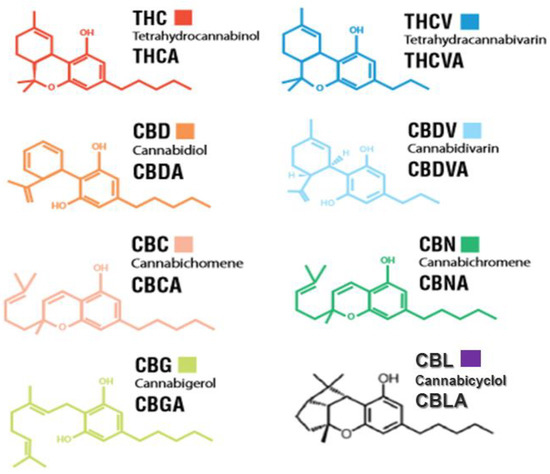
In addition, high dosage of CBN was associated with a lower ASRS score.

However, more studies are needed in order to fully understand if cannabis and its constituents can be used for management of ADHD.”

https://www.ncbi.nlm.nih.gov/pubmed/32017685

Cannabis and Cannabinoids in the Treatment of Rheumatic Diseases.

 Logo of rmmj“Chronic pain is a common complaint among patients, and rheumatic diseases are a common cause for chronic pain. Current pharmacological interventions for chronic pain are not always useful or safe enough for long-term use.

Cannabis and cannabinoids are currently being studied due to their potential as analgesics. In this review we will discuss current literature regarding cannabinoids and cannabis as treatment for rheumatic diseases.

Fibromyalgia is a prevalent rheumatic disease that causes diffuse pain, fatigue, and sleep disturbances. Treatment of this syndrome is symptomatic, and it has been suggested that cannabis and cannabinoids could potentially alleviate some of the symptoms associated with fibromyalgia. In this review we cite some of the evidence that supports this claim. However, data on long-term efficacy and safety of cannabinoid and cannabis use are still lacking.

Cannabinoids and cannabis are commonly investigated as analgesic agents, but in recent years more evidence has accumulated on their potential immune-modulatory effect, supported by results in animal models of certain rheumatic diseases. While results that demonstrate the same effect in humans are still lacking, cannabinoids and cannabis remain potential drugs to alleviate the pain associated with rheumatic diseases, as they were shown to be safe and to cause limited adverse effects.”

https://www.ncbi.nlm.nih.gov/pubmed/32017684

The Highs and Lows of Cannabis in Cancer Treatment and Bone Marrow Transplantation.

 Logo of rmmj“In the last decade, we have observed an increased public and scientific interest in the clinical applications of medical cannabis.

Currently, the application of cannabinoids in cancer patients is mainly due to their analgesic and anti-emetic effects.

The direct effects of phyto-cannabinoids on cancer cells are under intensive research, and the data remain somewhat inconsistent. Although anti-proliferative properties were observed in vitro, conclusive data from animal models and clinical trials are lacking.

Since immunotherapy of malignant diseases and bone marrow transplantation are integral approaches in hemato-oncology, the immuno-modulatory characteristic of cannabinoids is a fundamental aspect for consideration. The effect of cannabinoids on the immune system is presently under investigation, and some evidence for its immuno-regulatory properties has been shown.

In addition, the interaction of cannabinoids and classical cytotoxic agents is a subject for further investigation. Here we discuss the current knowledge of cannabinoid-based treatments in preclinical models and the limited data in oncological patients. Particularly, we address the possible contradiction between the direct anti-tumor and the immune-modulatory effects of cannabinoids.

Better understanding of the mechanism of cannabinoids influence is essential to design therapies that will allow cannabinoids to be incorporated into the clinic.”

https://www.ncbi.nlm.nih.gov/pubmed/32017682

Uncovering the hidden antibiotic potential of Cannabis.

 Go to Volume 0, Issue ja“The spread of antimicrobial resistance continues to be a priority health concern worldwide, necessitating exploration of alternative therapies.

Cannabis sativa has long been known to contain antibacterial cannabinoids, but their potential to address antibiotic resistance has only been superficially investigated.

Here, we show that cannabinoids exhibit antibacterial activity against MRSA, inhibit its ability to form biofilms and eradicate pre-formed biofilms and stationary phase cells persistent to antibiotics.

We show that the mechanism of action of cannabigerol is through targeting the cytoplasmic membrane of Gram-positive bacteria and demonstrate in vivo efficacy of cannabigerol in a murine systemic infection model caused by MRSA.

We also show that cannabinoids are effective against Gram-negative organisms whose outer membrane is permeabilized, where cannabigerol acts on the inner membrane.

Finally, we demonstrate that cannabinoids work in combination with polymyxin B against multi-drug resistant Gram-negative pathogens, revealing the broad-spectrum therapeutic potential for cannabinoids.”

https://www.ncbi.nlm.nih.gov/pubmed/32017534

https://pubs.acs.org/doi/10.1021/acsinfecdis.9b00419

Cannabis Sativa Revisited-Crosstalk between microRNA Expression, Inflammation, Oxidative Stress, and Endocannabinoid Response System in Critically Ill Patients with Sepsis.

cells-logo“Critically ill patients with sepsis require a multidisciplinary approach, as this situation implies multiorgan distress, with most of the bodily biochemical and cellular systems being affected by the condition. Moreover, sepsis is characterized by a multitude of biochemical interactions and by dynamic changes of the immune system. At the moment, there is a gap in our understanding of the cellular, genetic, and molecular mechanisms involved in sepsis.

One of the systems intensely studied in recent years is the endocannabinoid signaling pathway, as light was shed over a series of important interactions of cannabinoid receptors with biochemical pathways, specifically for sepsis. Furthermore, a series of important implications on inflammation and the immune system that are induced by the activity of cannabinoid receptors stimulated by the delta-9-tetrahydrocannabinol (Δ9-THC) and cannabidiol (CBD) have been noticed.

One of the most important is their ability to reduce the biosynthesis of pro-inflammatory mediators and the modulation of immune mechanisms. Different studies have reported that cannabinoids can reduce oxidative stress at mitochondrial and cellular levels.

The aim of this review paper was to present, in detail, the important mechanisms modulated by the endocannabinoid signaling pathway, as well as of the molecular and cellular links it has with sepsis. At the same time, we wish to present the possible implications of cannabinoids in the most important biological pathways involved in sepsis, such as inflammation, redox activity, immune system, and epigenetic expression.”

https://www.ncbi.nlm.nih.gov/pubmed/32012914

https://www.mdpi.com/2073-4409/9/2/307

The endocannabinoid receptors CB1 and CB2 affect the regenerative potential of adipose tissue MSCs.

Experimental Cell Research“Human adipose tissue includes large quantities of mesenchymal stromal cells (atMSCs), which represent an abundant cell source for therapeutic applications in the field of regenerative medicine.

Adipose tissue secrets various soluble factors including endocannabinoids, and atMSCs express the cannabinoid receptors CB1 and CB2. This indicates that adipose tissue possesses an endocannabinoid system (ECS). The ECS is also ascribed great significance for wound repair, e.g. by modulating inflammation. However, the exact effects of CB1/CB2 activation in human atMSCs have not been investigated, yet.

In the present study, we stimulated human atMSCs with increasing concentrations (1-30 μM) of the unspecific cannabinoid receptor ligand WIN55,212-2 and the specific CB2 agonist JWH-133, either alone or co-applied with the receptor antagonist Rimonabant (CB1) or AM 630 (CB2). We investigated the effects on metabolic activity, cell number, differentiation and cytokine release, which are important processes during tissue regeneration.

WIN decreased metabolic activity and cell number, which was reversed by Rimonabant. This suggests a CB1 dependent mechanism, whereas the number of atMSCs was increased after CB2 ligation. WIN and JWH increased the release of VEGF, TGF-β1 and HGF. Adipogenesis was enhanced by WIN, which could be reversed by blocking CB1. There was no effect on osteogenesis, and only WIN increased chondrogenic differentiation.

Our results indicate that definite activation of the cannabinoid receptors exerted different effects in atMSCs, which could be of specific value in cell-based therapy for wound regeneration.”

https://www.ncbi.nlm.nih.gov/pubmed/32006556

https://www.sciencedirect.com/science/article/abs/pii/S001448272030080X?via%3Dihub

Image 1