

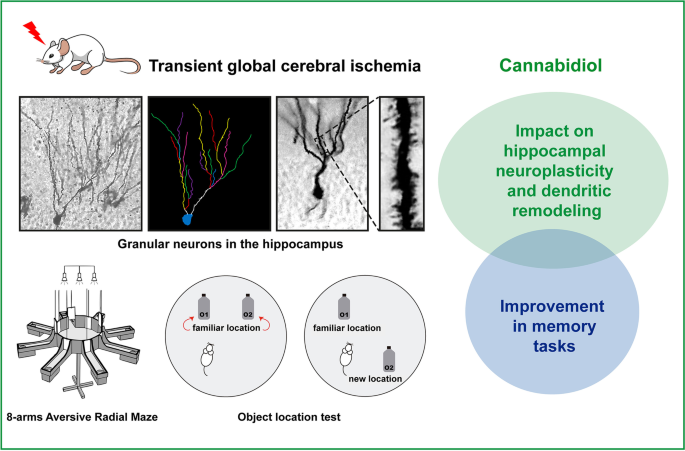
“The absence of blood flow in cerebral ischemic conditions triggers a multitude of intricate pathophysiological mechanisms, including excitotoxicity, oxidative stress, neuroinflammation, disruption of the blood-brain barrier and white matter disarrangement. Despite numerous experimental studies conducted in preclinical settings, existing treatments for cerebral ischemia (CI), such as mechanical and pharmacological therapies, remain constrained and often entail significant side effects. Therefore, there is an imperative to explore innovative strategies for addressing CI outcomes.
Cannabidiol (CBD), the most abundant non-psychotomimetic compound derived from Cannabis sativa, is a pleiotropic substance that interacts with diverse molecular targets and has the potential to influence various pathophysiological processes, thereby contributing to enhanced outcomes in CI. This chapter provides a comprehensive overview of the primary effects of CBD in in vitro and diverse animal models of CI and delves into some of its plausible mechanisms of neuroprotection.”
https://pubmed.ncbi.nlm.nih.gov/39029992/
“CBD emerges as a promising therapeutic agent for the treatment and management of cerebral ischemic conditions. The intricate pathogenesis of CI, coupled with CBD’s multitarget effects, underscores its potential as a neuroprotective agent. “
https://www.sciencedirect.com/science/article/abs/pii/S0074774224000643?via%3Dihub


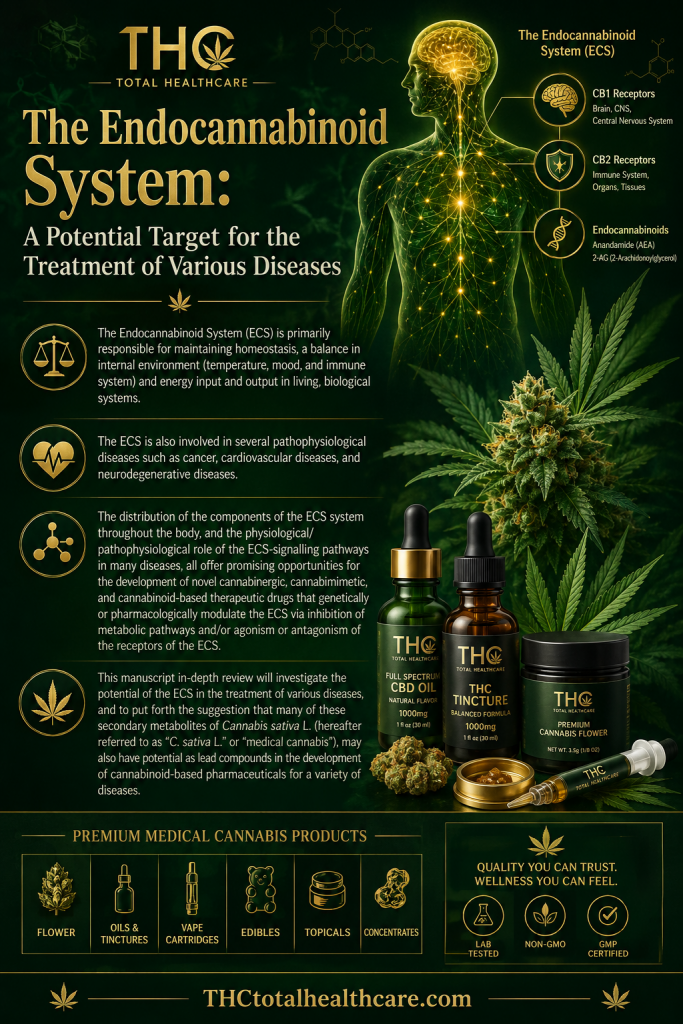
 “The Endocannabinoid System (ECS) is primarily responsible for maintaining homeostasis, a balance in internal environment (temperature, mood, and immune system) and energy input and output in living, biological systems.

 “Cannabidiol (CBD), a non-euphorigenic compound derived from
  “Diabetes and aging are risk factors for cognitive impairments after chronic cerebral hypoperfusion (CCH).
Cannabidiol (CBD) is a phytocannabinoid present in the
“Diabetes and aging are risk factors for cognitive impairments after chronic cerebral hypoperfusion (CCH).
Cannabidiol (CBD) is a phytocannabinoid present in the  “Ischemia not only activates cell death pathways but also triggers endogenous protective mechanisms. However, it is largely unknown what is the essence of the endogenous neuroprotective mechanisms induced by preconditioning. In this study we demonstrated that systemic injection of JZL195, a selective inhibitor of eCB clearance enzymes, induces in vivo long-term depression at CA3-CA1 synapses and at PrL-NAc synapses produces neuroprotection. JZL195-elicited long-term depression is blocked by AM281, the antagonist of cannabinoid 1 receptor (CB1R) and is abolished in mice lacking cannabinoid CB1 receptor (CB1R) in astroglial cells, but is conserved in mice lacking CB1R in glutamatergic or GABAergic neurons. Blocking the glutamate NMDA receptor and the synaptic trafficking of glutamate AMPA receptor abolishes both long-term depression and neuroprotection induced by JZL195. Mice lacking CB1R in astroglia show decreased neuronal death following cerebral ischemia. Thus, an acute elevation of extracellular eCB following eCB clearance inhibition results in neuroprotection through long-term depression induction after sequential activation of astroglial CB1R and postsynaptic glutamate receptors.”