
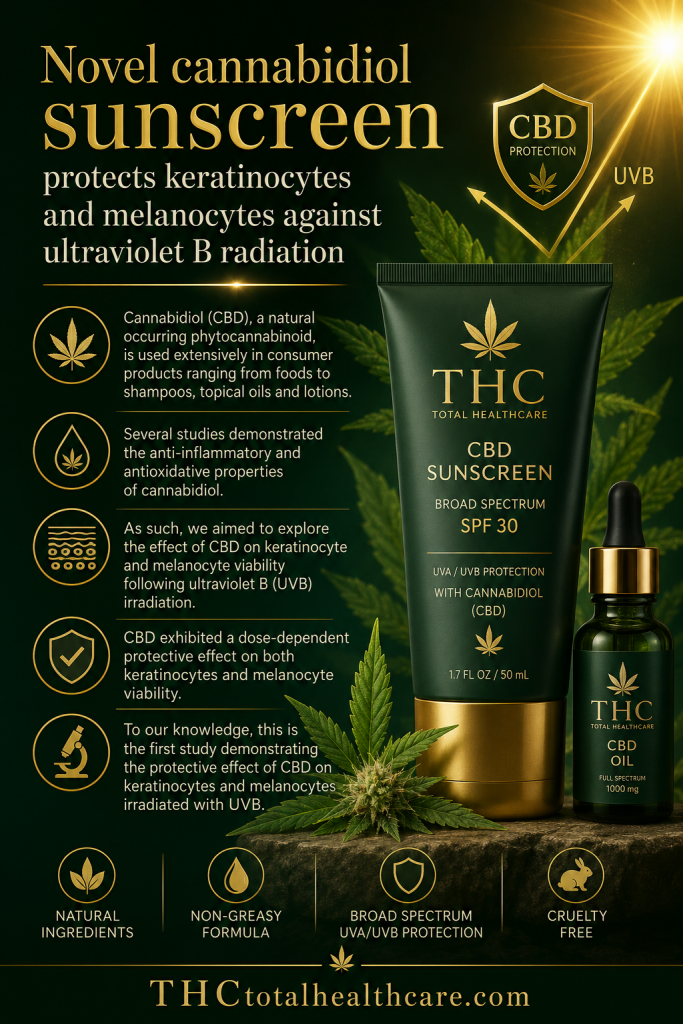
 “Cannabidiol (CBD), a natural occurring phytocannabinoid, is used extensively in consumer products ranging from foods to shampoos, topical oils and lotions.
Several studies demonstrated the anti-inflammatory and antioxidative properties of cannabidiol. Nevertheless, the role of cannabidiol use in sunscreens is largely unknown as no studies on its effect on keratinocytes or melanocytes exist. As such, we aimed to explore the effect of CBD on keratinocyte and melanocyte viability following ultraviolet B (UVB) irradiation.
CBD exhibited a dose-dependent protective effect on both keratinocytes and melanocyte viability. Further, since CBD does not demonstrate absorption in the UVB spectra, we speculate that the protective effect is due to reduction in reactive oxygen species.
To our knowledge, this is the first study demonstrating the protective effect of CBD on keratinocytes and melanocytes irradiated with UVB.”
 “Cannabis exposure is becoming more common in older age but little is known about how it is associated with brain health in this population.
 “To determine if cannabis may be used as an alternative or adjunct treatment for intermittent and chronic prescription opioid users.
 “The prevalence of mild traumatic brain injury is highest amongst the adolescent population and can lead to complications including neuroinflammation and excitotoxicity.
 “Δ9 -Tetrahydrocannabinol (THC), the main bioactive compound found in the plant Cannabis sativa, exerts its effects by activating cannabinoid receptors present in many neural cells.
 “Psoriasis is associated with increased production of reactive oxygen species which leads to oxidative stress.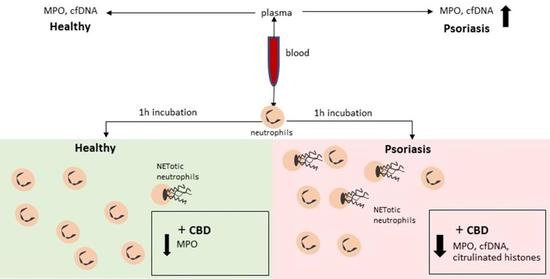
 “The pharmacological treatment for autism spectrum disorders is often poorly tolerated and has traditionally targeted associated conditions, with limited benefit for the core social deficits.
 “People living with HIV (PLWH) report higher rates of cannabis use than the general population, a trend likely to continue in light of recent policy changes and the reported therapeutic benefits of cannabis for PLWH. Therefore, it is important to better understand cannabis-associated effects on neurocognition, especially as PLWH are at heightened risk for neurocognitive impairment.