
 “Introduction: Speech dysfluency, often referred to as stuttering, is a frequent speech disorder encountered in about 5% of children. Although in the majority of people affected, symptoms improve in adulthood, in some patients, stuttering persists and significantly impairs everyday functioning and quality of life. Treatment for stuttering includes speech therapy, cognitive behavioral therapy, and relaxation techniques. However, a substantial number of patients do not benefit sufficiently from these treatment strategies or are even treatment resistant.
Methods: We present the case of a 20-year-old male with treatment-resistant stuttering, who markedly improved after treatment with medicinal cannabis.
Results: Besides improved speech fluency as assessed by several phoniatric tests, we observed remission of (social) anxiety, improved mood, and reduced stress, resulting in an overall improvement of quality of life after cannabis therapy. The patient, in addition, reported improved attention, concentration, and sleep, increased self-confidence, and better social life. No side effects occurred. Over a time period of more than a year, treatment was equally effective. In an interview, the patient describes his personal view and the influence of cannabis-based treatment on his life.
Conclusions: Medicinal cannabis could be effective in treatment of refractory stuttering, but these preliminary data have to be confirmed in controlled studies.”
 “Evidence on the use and efficacy of medical cannabis for children is limited. We examined clinical and epidemiological characteristics of medical cannabis treatment and caregiver-reported effects in children and adolescents in Switzerland.
 “Ehlers-Danlos Syndromes (EDS) and related Hypermobility Spectrum Disorders (HSD) are debilitating connective tissue disorders that feature a prominent pain component for which there are limited therapeutic options for pain management.
  “We present the case of an 18-year-old woman who suffered from complications of Ehlers-Danlos syndrome (EDS). Her pain was poorly controlled despite being on a myriad of analgesic medications at the time.
 “In humans, various sites like cannabinoid receptors (CBR) having a binding affinity with cannabinoids are distributed on the surface of different cell types, where endocannabinoids (ECs) and derivatives of fatty acid can bind. The binding of these substance(s) triggers the activation of specific receptors required for various physiological functions, including pain sensation, memory, and appetite.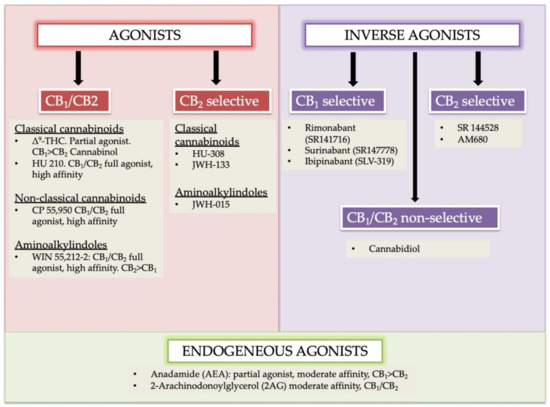
 “Chronic inflammation is considered to be a silent killer because it is the underlying cause of a wide range of clinical disorders, from cardiovascular to neurological diseases, and from cancer to obesity. In addition, there are over 80 different types of debilitating autoimmune diseases for which there are no cure. Currently, the drugs that are available to suppress chronic inflammation are either ineffective or overtly suppress the inflammation, thereby causing increased susceptibility to infections and cancer. Thus, the development of a new class of drugs that can suppress chronic inflammation is imperative.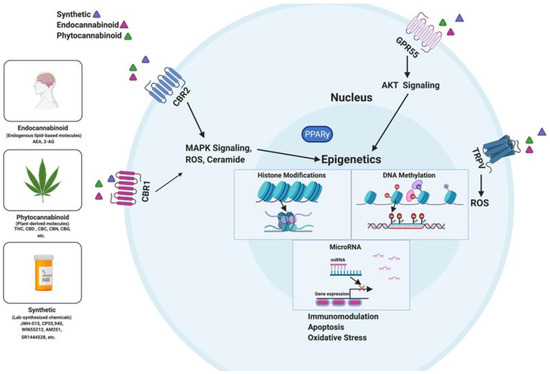
 “Central pain after stroke due to brainstem infarction is very rare. Treatment is difficult and specific guidelines are lacking. This is the report of a 61-year-old female patient who, after a posterolateral left medulla oblongata insult with incomplete Wallenberg syndrome, subsequently developed a burning and tingling pain in the contralateral leg and a burning and shooting pain in the ipsilateral face in trigeminal branches 1 and 2. More than 3 years of therapy with amitriptyline, gabapentin, pregabalin and various grade II and III opioids was ineffective or showed intolerable side effects. The administration of tetrahydrocannabinol and cannabidiol as an oromucosal spray in a 1:1 ratio improved the pain situation and quality of life quickly and permanently. The encouraging results in the present case may suggest that treatment with medical cannabis should be considered in similar cases when standard therapies are insufficient.”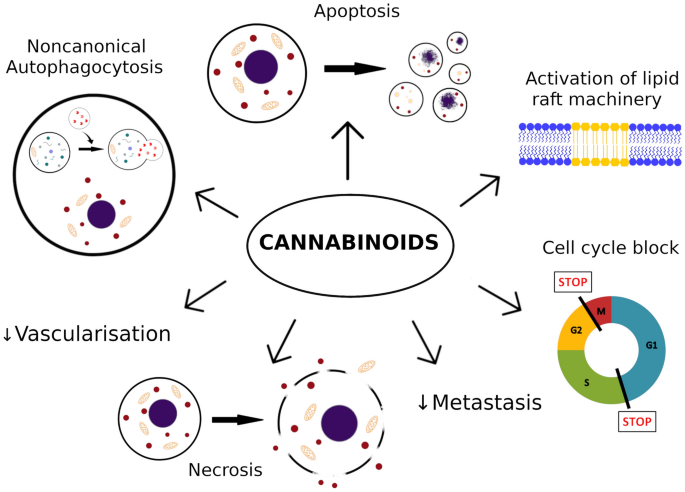
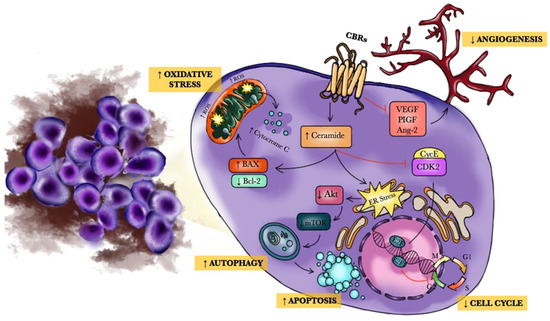
 “Medical marijuana (MM) use is common among cancer patients, but relatively little is known about the usage patterns and efficacy of MM used by gynecologic cancer patients.