
CB2 cannabinoid receptors contribute to bacterial invasion and mortality in polymicrobial sepsis.

“Sepsis is a major healthcare problem and current estimates suggest that the incidence of sepsis is approximately 750,000 annually. Sepsis is caused by an inability of the immune system to eliminate invading pathogens.

Here we examined the role of CB(2) receptors in regulating the host’s response to sepsis…

Taken together, our results establish for the first time that CB(2) receptors are important contributors to septic immune dysfunction and mortality, indicating that CB(2) receptors may be therapeutically targeted for the benefit of patients suffering from sepsis.”
http://www.ncbi.nlm.nih.gov/pmc/articles/PMC2712683/

Cannabinoid receptor 1 inhibition improves the intestinal microcirculation.

“The data supports the involvement of the CB1R signaling in leukocyte activation during sepsis. Drugs targeting the CB1R may have therapeutic potential in systemic inflammation, such as sepsis.”

http://www.ncbi.nlm.nih.gov/pubmed/23334604

“Cannabinoid receptor 1 inhibition causes seizures during anesthesia induction in experimental sepsis… The data suggest that CB1R inhibition in combination with pentobarbital may increase the incidence of anesthetic-induced seizures in the case of sepsis.”

http://www.ncbi.nlm.nih.gov/pubmed/22504215


Cannabinoid receptor 2 activation reduces intestinal leukocyte recruitment and systemic inflammatory mediator release in acute experimental sepsis.

“The aim of this study was to investigate the effects of CB2R manipulation on leukocyte activation within the intestinal microcirculation in two acute experimental sepsis models…

CB2R activation reduces leukocyte activation and systemic release of inflammatory mediators in acute experimental sepsis. Drugs targeting the CB2R pathway may have therapeutic potential in sepsis.”

http://www.ncbi.nlm.nih.gov/pmc/articles/PMC3681373/

The cannabinoid 2 receptor as a potential therapeutic target for sepsis.

“The sepsis syndrome represents an improper immune response to pathogens and is associated with an unacceptably high rate of mortality. Although supportive care is of benefit to the septic patient, there are no viable therapeutics available that target the immune system suitable for the whole septic population. Recently, using a physiologically relevant murine mouse model, the cannabiniod 2 receptor has been shown to play a critical role in the host response to sepsis. Here, the structure, expression, signaling, and function of the CB2 receptor on leukocytes will be reviewed. Further, the effects mediated by the CB2 receptor during sepsis will be reviewed. Altogether, alterations in inflammation and the host response during sepsis by the CB2 receptor support its use as a possible therapeutic agent.”

http://www.ncbi.nlm.nih.gov/pubmed/20509835

http://www.thctotalhealthcare.com/category/sepsis-2/

Experimental cannabinoid 2 receptor-mediated immune modulation in sepsis.

“Sepsis is a complex condition that results from a dysregulated immune system in response to a systemic infection. Current treatments lack effectiveness in reducing the incidence and mortality associated with this disease. The endocannabinoid system offers great promise in managing sepsis pathogenesis due to its unique characteristics.

The present study explored the effect of modulating the CB2 receptor pathway in an acute sepsis mouse model.

Using various compounds we have shown different mechanisms of activating CB2 receptors to reduce leukocyte endothelial interactions in order to prevent further inflammatory damage during sepsis.”

http://www.ncbi.nlm.nih.gov/pubmed/24803745

A new face of endocannabinoids in pharmacotherapy. Part I & II

“A new face of endocannabinoids in pharmacotherapy. Part I: Protective role of endocannabinoids in hypertension and myocardial infarction.

Cannabinoids are compounds which were first isolated from the Cannabis sativa plant. For thousands of years they have been used for treatment of numerous diseases.

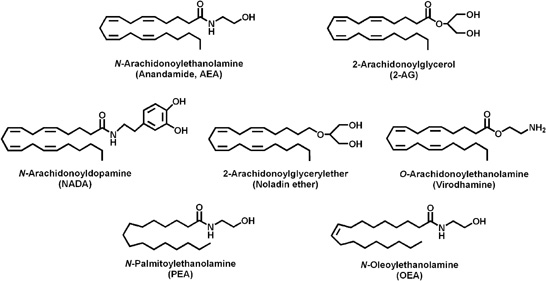
Currently, synthetic cannabinoids and endocannabinoids are also known. Cannabinoid receptors, endocannabinoids and the enzymes that catalyze their synthesis and degradation constitute the endocannabinoid system which plays an important role in functioning of the cardiovascular system.

The results obtained to date suggest the involvement of endocannabinoids in the pathology of many cardiovascular diseases, including myocardial infarction, hypertension and hypotension associated with hemorrhagic, endotoxic, and cardiogenic shock. Cardioprotective effect and dilation of coronary vessels induced by endocannabinoids deserve special attention.

It cannot be excluded now that in the future our better understanding of cannabinoid system will allow to develop new strategies for treatment of cardiovascular diseases.”

http://www.jpp.krakow.pl/journal/archive/04_14/pdf/171_04_14_article.pdf

“A new face of endocannabinoids in pharmacotherapy. Part II. Role of endocannabinoids in inflammation-derived cardiovaascular diseases.

 Endocannabinoids play an important role in cardiovascular diseases caused by inflammatory disorders. Endocannabinoids are endogenous bioactive lipids that activate cannabinoid receptors and together with enzymes responsible for their synthesis and degradation constitute endocannabinoid system.

The results obtained to date suggest the involvement of endocannabinoids in the pathology of many cardiovascular diseases associated with inflammation, such as atherosclerosis, restenosis, chemotherapy-induced myocardial injury, diabetic and hepatic cirrhosis cardiomyopathy.

Our better understanding of cannabinoid system may result in the development of new strategies for the treatment of such disorders.”

http://www.jpp.krakow.pl/journal/archive/04_14/pdf/183_04_14_article.pdf

[Tetrahydrocannabinol for treatment of chronic pain].

“Even in the last century cannabis was used in the treatment of chronic pain. The main active component of cannabis Delta-9-Tetrahydrocannabinol (THC) has been increasingly used in the treatment of nausea, vomiting, loss of appetite and depression. It is also recommended in the treatment of chronic pain. We present our first experiences with THC in the treatment of patients with chronic pain.”

http://www.ncbi.nlm.nih.gov/pubmed/11810357

http://www.thctotalhealthcare.com/category/chronic-pain/

http://www.thctotalhealthcare.com/category/pain-2/

No Relief Yet for Brutal Oral Cancer Pain, but Cannabinoids May Offer Some Hope

logo

“Many cancer patients endure severe pain and, by far, one of the most excruciating pain conditions is caused by oral cancer, for which even the strongest available pain medications are largely ineffective. One of the nation’s leading oral cancer treating clinicians, speaking at the American Pain Society’s annual meeting, said he believes that while prospects for major treatment advances remain bleak, a new cannabinoid-based medication may have some promise for providing meaningful pain relief.”  http://www.newswise.com/articles/no-relief-yet-for-brutal-oral-cancer-pain-but-cannabinoids-may-offer-some-hope

Marijuana Rated Most Effective for Treating Fibromyalgia

marijuana graph

“Medical marijuana is far more effective at treating symptoms of fibromyalgia than any of the three prescription drugs approved by the Food and Drug Administration to treat the disorder.

That is one of the surprise findings in an online survey of over 1,300 fibromyalgia patients conducted by the National Pain Foundation and National Pain Report.”

Cymbalta graph

Lyrica graph

Savella graph.”

“The FDA has approved only three drugs – Cymbalta, Lyrica and Savella — for the treatment of fibromyalgia.”

http://americannewsreport.com/nationalpainreport/marijuana-rated-most-effective-for-treating-fibromyalgia-8823638.html

http://www.thctotalhealthcare.com/category/fibromyalgia/