

“AF1q has a precise oncogenic function.
The purpose of this study is to investigate whether CBD has an effect on the AF1q/ICAM-1 regulatory axis in Burkitt’s lymphoma (BL), and thus has potential to enhance immunotherapy and reduce side effects.
RESULTS:
AF1q increased oncogenic growth and colony formation, and induced resistance against cell-mediated cytotoxic chemotherapy through attenuation of ICAM-1 expression in BL. CBD was able to reverse the acquired resistance mediated by AF1q/ICAM-1 regulatory axis.
CONCLUSION:
CBD holds potential to enhance the efficacy of immunotherapy for BL with hyperactive AF1q/ICAM-1 regulatory axis, and warrants further study.”
https://www.ncbi.nlm.nih.gov/pubmed/31587870
“Non-psychoactive CBD could potentially enhance the efficacy of immunotherapy in cancer treatment, especially against aggressive B.”
https://www.sciencedirect.com/science/article/pii/S0006291X1931890X?via%3Dihub
 “Grade IV glioblastoma multiforme is a deadly disease, with a median survival of around 14 to 16 months. Maximal resection followed by adjuvant radiochemotherapy has been the mainstay of treatment since many years, although survival is only extended by a few months. In recent years, an increasing number of data from in vitro and in vivo research with cannabinoids, particularly with the non-intoxicating cannabidiol (CBD), point to their potential role as tumour-inhibiting agents. Herein, a total of nine consecutive patients with brain tumours are described as case series; all patients received CBD in a daily dose of 400 mg concomitantly to the standard therapeutic procedure of maximal resection followed by radiochemotherapy. By the time of the submission of this article, all but one patient are still alive with a mean survival time of 22.3 months (range=7-47 months). This is longer than what would have been expected.”
 “Little is known about the endocannabinoid (eCB) system in squamous cell carcinoma of the oral tongue (SCCOT). Here we have investigated, at the mRNA level, expression of genes coding for the components of the eCB system in tumour and non-malignant samples from SCCOT patients. Expression of NAPEPLD and PLA2G4E, coding for eCB anabolic enzymes, was higher in the tumour tissue than in non-malignant tissue. Among genes coding for eCB catabolic enzymes, expression of MGLL was lower in tumour tissue while PTGS2 was increased. It is concluded that the eCB system may be dysfunctional in SCCOT.”
 “The endogenous lipid metabolism network is associated with the occurrence and progression of malignancies.
 “Indisputably, cancer is a global crisis that requires immediate intervention. Despite the use of conventional treatments over the past decades, it is acceptable to admit that these are expensive, invasive, associated with many side effects and, therefore, a reduced quality of life.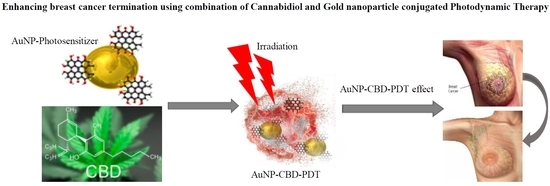
 “Cancer patients experience multiple symptoms throughout their illness, and some report benefit from the use of cannabis. There are concerns that many patients are accessing products inappropriate for their situation and potentially putting themselves at risk.
 “Cannabinoid receptors have been detected in human gliomas and cannabinoids have been proposed as novel drug candidates in the treatment of brain tumors.
 “Total phenolic content and antioxidant activity of polar extracts of edible resources from Fedora hemp cultivar (Cannabis sativa L.), namely seed, flour and oil, were evaluated. The main components in the polar extracts were identified using HPLC-DAD and HPLC-ESI-MS/MS. As expected, the molecular profile of components from seeds and flour was strictly similar, dominated by N-trans-caffeoyltyramine. The profile of oil polar extracts contained hydroxycinnamic acid derivatives and