 “Ovarian cancer, with over a 90% reoccurrence within 18 months of treatment, and approximately a 30% mortality rate after 5 years, is the leading cause of death in cases of gynaecological malignancies. Acquired resistance, and toxic side effects by clinically used agents are major challenges associated with current treatments, indicating the need for new approaches in ovarian cancer treatment.
Increased tumour cell proliferation associated with upregulation of cannabinoid (CB) receptors has been observed in ovarian cancer. As cannabinoids reported to bind to CB receptors, and can potentially modulate their downstream signalling, this raises the possibility of cannabinoids as potential anticancer drugs for ovarian cancer treatment.
Amongst the cannabinoids, non-psychoactive CBD and CBG have been shown to have anticancer activities towards prostate and colon cancer cells through multiple mechanisms of action. However, CBD and CBG have yet to be investigated in relation to ovarian cancer therapy either in vitro or in vivo.
Aim:
The aims of this study were to evaluate the potential cytotoxic effects of CBD and CBG in human ovarian cancer cells, their ability to potentiate existing clinically used agents for ovarian cancer, and to perform initial mode of action studies in vitro.
Conclusions:
Both CBD and CBG showed preferential cytotoxicity against the ovarian cancer cells analysed compared to the non-cancer cells; however, this was less than for carboplatin. Importantly, in contrast to carboplatin, CBD and CBG showed similar activity towards cisplatin sensitive and cisplatin resistant cells indicating distinctive mechanisms of action to platinum drugs.
Preferential cytotoxicity towards cancer cells in vitro and ability to potentiate carboplatin and overcome cisplatin resistance identify CBD and CBG as promising candidates that warrant further investigation, both in terms of detailed mechanism of action studies and also in vivo studies to assess whether this promising activity translates into an in vivo setting and their potential for further progression towards the clinic.”
 “Phytocannabinoids are unique terpenophenolic compounds predominantly produced in the glandular trichomes of the cannabis plant (Cannabis sativa L.). The delta-9- tetrahydrocannabinol (THC) is the main active constituent responsible for the plant’s psychoactive effect and, together with the non- psychoactive cannabidiol (CBD), the most investigated naturally occurring cannabinoid.
 “Mixtures of different Cannabis sativa phytocannabinoids are more active biologically than single phytocannabinoids. However, cannabis terpenoids as potential instigators of phytocannabinoid activity have not yet been explored in detail.
 “Cannabis was extensively utilized for its medicinal properties till the 19th century. A steep decline in its medicinal usage was observed later due to its emergence as an illegal recreational drug.
 “Over the course of the last decade, Peroxisome Proliferator-Activated Receptors (PPARs) have been identified as part of the
  “Marijuana has been used by many different civilizations for numerous different purposes, including its use for medical indications. Recently, there has been significant media coverage of the efficacy of medical marijuana in the treatment of seizures in children with Dravet syndrome, and this has led many to search for other possible pediatric indications for cannabinoids, including many different indications in pediatric cancer. However, there is very little evidence on safety or efficacy of cannabinoids in children being treated with cancer. This commentary accompanies a recent paper by a group in Israel who have published their experience of medical marijuana in 50 children and adolescents with cancer, showing excellent satisfaction and better symptom control, and without significant adverse drug reactions. This study from Israel is an excellent first step, but prospective well-designed trials of medical marijuana in pediatric oncology are urgently needed.”
 “Pancreatic cancer is particularly refractory to modern therapies, with a 5-year survival rate for patients at a dismal 8%.
 “There is a growing preference for the use of
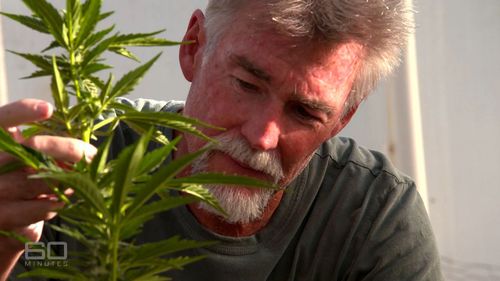
  “Olivia Newton-John says medicinal marijuana is a key part of her treatment for stage four cancer. In an exclusive interview with 60 Minutes reporter Liz Hayes, Newton-John says that not only has cannabis assisted with her pain management, sleep and anxiety – but it’s having affects on her physical health too. “I’m incredibly pro cannabis,” she told Liz Hayes. “If I don’t take the cannabis, I can feel the pain so I know it’s working.”