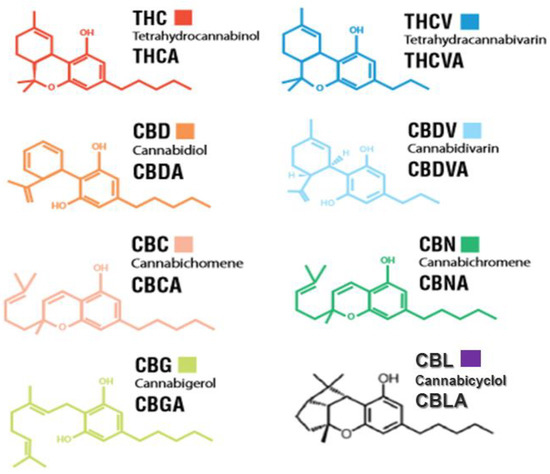
“∆ 9 -Tetrahydrocannabinol (∆9 -THC), the active phytocannabinoid in cannabis, is virtually an adjunct to the endogenous endocannabinoid signaling system.
By interacting with G-protein-coupled receptors CB1 and CB2, ∆9 -THC affects peripheral and central circulation by lowering sympathetic activity, altering gene expression, cell proliferation, and differentiation, decreasing leukocyte migration, modulating neurotransmitter release thereby modulating cardiovascular functioning, tumorigenesis, immune responses, behavioral and locomotory activities respectively.
∆ 9 -THC is effective in suppressing chemotherapy-induced vomiting, retards malignant tumor growth, inhibits metastasis, and promotes apoptosis. Other mechanisms involved are targeting cell cycle at the G2-M phase in human breast cancer, downregulation of E2F transcription factor 1 (E2F1) in human glioblastoma multiforme, and stimulation of ER stress-induced autophagy.
∆ 9 -THC also plays a role in ameliorating neuroinflammation, excitotoxicity, neuroplasticity, trauma, and stroke and is associated with reliving childhood epilepsy, brain trauma, and neurodegenerative diseases.
∆9 -THC via CB1 receptors affects nociception, emotion, memory, and reduces neuronal excitability and excitotoxicity in epilepsy. It also increases renal blood flow, reduces intraocular pressure via a sympathetic pathway, and modulates hormonal release, thereby decreasing the reproductive function and increasing glucose metabolism.
Versatile medical marijuana has stimulated abundant research demonstrating substantial therapeutic promise, suggesting the possibilities of first-in-class drugs in diverse therapeutic segments. In this review, we represent the current pharmacological status of the phytocannabinoid, ∆ 9 -THC, and synthetic analogs in cancer, cardiovascular, and neurodegenerative disorders.”
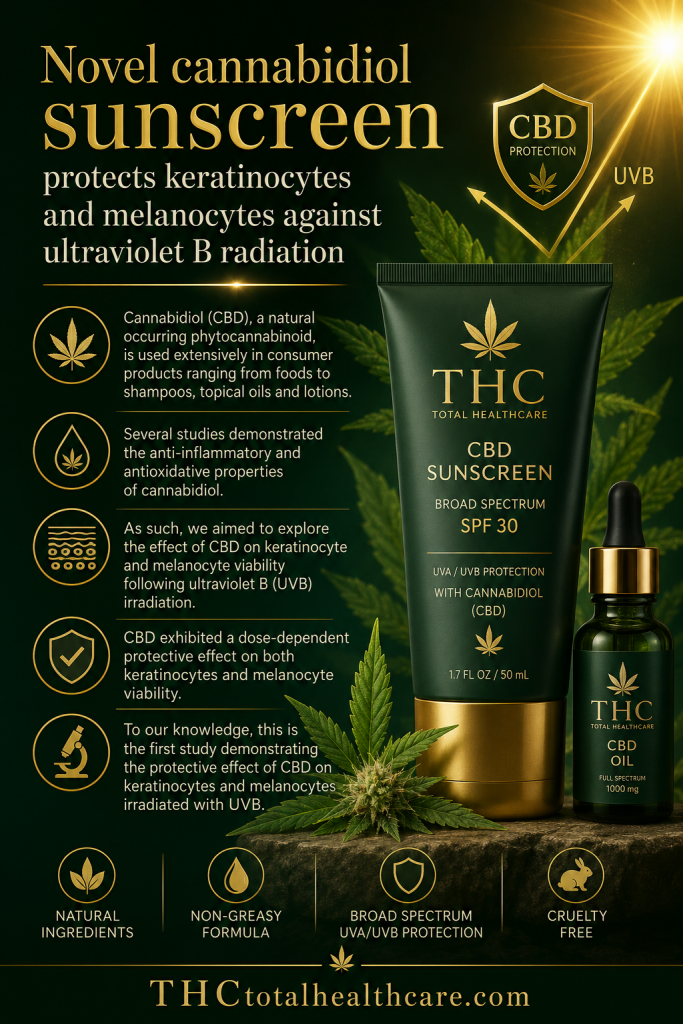
 “Cannabidiol (CBD), a natural occurring phytocannabinoid, is used extensively in consumer products ranging from foods to shampoos, topical oils and lotions.
 “Δ9 -Tetrahydrocannabinol (THC), the main bioactive compound found in the plant Cannabis sativa, exerts its effects by activating cannabinoid receptors present in many neural cells.
 “In the absence of effective antivirals and vaccination, the pandemic of COVID-19 remains the most significant challenge to our health care system in decades. There is an urgent need for definitive therapeutic intervention.
 “In the present study, the antimicrobial effect of Cannabis sativa Futura 75 was evaluated both in vitro against foodborne bacterial pathogens, and on food against naturally occurring microbial groups of minced meat stored for 8 days at 4°C.
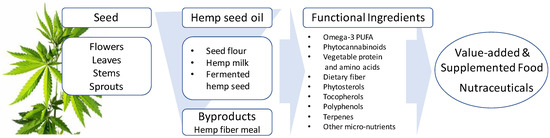
 “Hemp (Cannabis sativa L.) seed contains high contents of various nutrients, including fatty acids and proteins.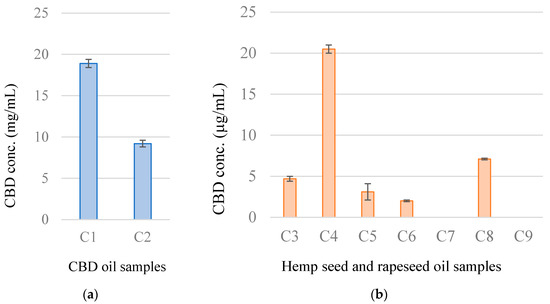
 “Cannabis products have been used for centuries by humans for recreational and medical purposes. Resent research, proposed the promising therapeutic potential of cannabis and related cannabinoids for a wide range of medical conditions, including psychiatric and neurological diseases.
 “Cannabis and cannabinoid-based extracts have long been utilized for their perceived therapeutic value, and support for the legalization of cannabis for medicinal purposes continues to increase worldwide.
 “Industrial hemp (Cannabis sativa L., Cannabaceae) is an ancient cultivated plant originating from Central Asia and historically has been a multi-use crop valued for its fiber, food, and medicinal uses. Various oriental and Asian cultures kept records of its production and numerous uses.