
 “Aged skeletal muscle undergoes metabolic and structural alterations eventually resulting in a loss of muscle strength and mass, i.e. age-related sarcopenia. Therefore, novel targets for muscle growth purposes in elderly are needed.
Here, we explored the role of the cannabinoid system in muscle plasticity through the expression of muscle cannabinoid receptors (CBs) in young and old humans.
The CB1 expression was higher (+ 25%; p = 0.04) in muscle of old (≥ 65 years) vs. young adults (20-27 years), whereas CB2 was not differently expressed. Furthermore, resistance exercise tended to increase the CB1 (+ 11%; p = 0.055) and CB2 (+ 37%; p = 0.066) expression in muscle of older adults. Interestingly, increases in the expression of CB2 following resistance exercise positively correlated with changes in key mechanisms of muscle homeostasis, such as catabolism (FOXO3a) and regenerative capacity (Pax7, MyoD).
This study for the first time shows that CB1 is differentially expressed with aging and that changes in CB2 expression upon resistance exercise training correlate with changes in mediators that play a central role in muscle plasticity.
These data confirm earlier work in cells and mice showing that the cannabinoid system might orchestrate muscle growth, which is an incentive to further explore CB-based strategies that might counteract sarcopenia.”
“In conclusion, cell culture and murine experiments suggested that CBs can be a promising target to treat cachexia and sarcopenia through modulation of the metabolism and muscle regenerative capacity. These data imply that CB modulation might be a promising tool to combat muscle degeneration. ”
 “Inflammatory bowel diseases (IBDs) are chronic, idiopathic, inflammatory, gastrointestinal disorders.
 “”Medicinal cannabis” is defined as the use of cannabis-based products for the treatment of an illness. Investigations of cannabis compounds in psychiatric and neurological illnesses primarily focus on the major cannabinoids, cannabidiol (CBD) and Δ
 “Despite the multiple preventive measures and treatment options, colorectal cancer holds a significant place in the world’s disease and mortality rates. The development of novel therapy is in critical need, and based on recent experimental data, cannabinoids could become excellent candidates. This review covered known experimental studies regarding the effects of cannabinoids on intestinal inflammation and colorectal cancer. In our opinion, because colorectal cancer is a heterogeneous disease with different genomic landscapes, the choice of cannabinoids for tumor prevention and treatment depends on the type of the disease, its etiology, driver mutations, and the expression levels of cannabinoid receptors. In this review, we describe the molecular changes of the endocannabinoid system in the pathologies of the large intestine, focusing on inflammation and cancer.”
 “Persistent inflammation occurs in people with HIV (PWH) and has many downstream adverse effects including myocardial infarction, neurocognitive impairment and death.
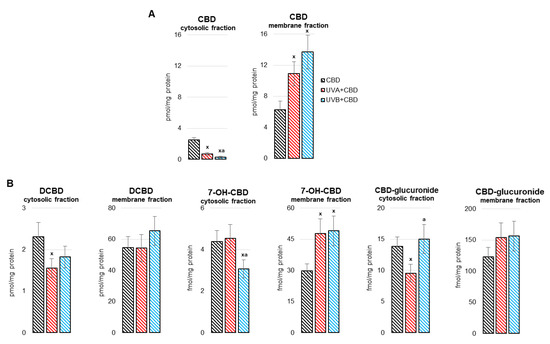
 “The liver is a key metabolic organ that is particularly sensitive to environmental factors, including UV radiation. As UV radiation induces oxidative stress and inflammation, natural compounds are under investigation as one method to counteract these consequences.
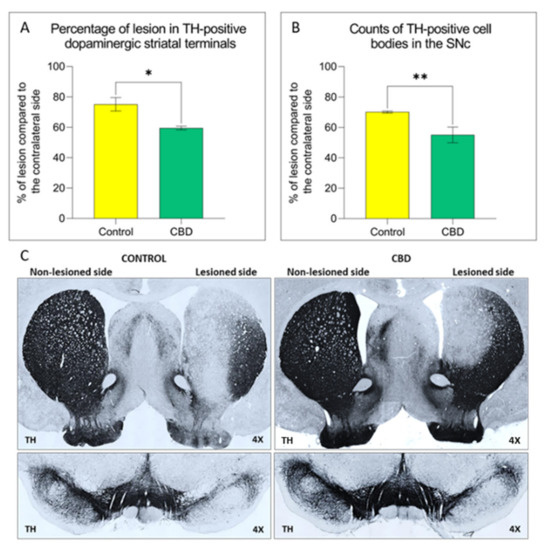
 “Parkinson’s disease (PD) is a neurodegenerative disorder characterized by the loss of dopaminergic neurons in the Substantia Nigra pars compacta, leading to classical PD motor symptoms. Current therapies are purely symptomatic and do not modify disease progression.
 “Obesity-related insulin resistance (IR) and attenuated brain insulin signaling are significant risk factors for neurodegenerative disorders, e.g., Alzheimer’s disease. IR and type 2 diabetes correlate with an increased concentration of sphingolipids, a class of lipids that play an essential structural role in cellular membranes and cell signaling pathways.
 “Objectives: To evaluate the impact of cannabinoids on neurobehavioral outcomes in preclinical models of nontraumatic and traumatic spinal cord injury (SCI), with the aim of determining suitability for clinical trials involving SCI patients.