 “Despite the multiple preventive measures and treatment options, colorectal cancer holds a significant place in the world’s disease and mortality rates. The development of novel therapy is in critical need, and based on recent experimental data, cannabinoids could become excellent candidates. This review covered known experimental studies regarding the effects of cannabinoids on intestinal inflammation and colorectal cancer. In our opinion, because colorectal cancer is a heterogeneous disease with different genomic landscapes, the choice of cannabinoids for tumor prevention and treatment depends on the type of the disease, its etiology, driver mutations, and the expression levels of cannabinoid receptors. In this review, we describe the molecular changes of the endocannabinoid system in the pathologies of the large intestine, focusing on inflammation and cancer.”
“In recent years, multiple preclinical studies have shown that changes in endocannabinoid system signaling may have various effects on intestinal inflammation and colorectal cancer. However, not all tumors can respond to cannabinoid therapy in the same manner. Given that colorectal cancer is a heterogeneous disease with different genomic landscapes, experiments with cannabinoids should involve different molecular subtypes, emerging mutations, and various stages of the disease. We hope that this review can help researchers form a comprehensive understanding of cannabinoid interactions in colorectal cancer and intestinal bowel diseases. We believe that selecting a particular experimental model based on the disease’s genetic landscape is a crucial step in the drug discovery, which eventually may tremendously benefit patient’s treatment outcomes and bring us one step closer to individualized medicine.”
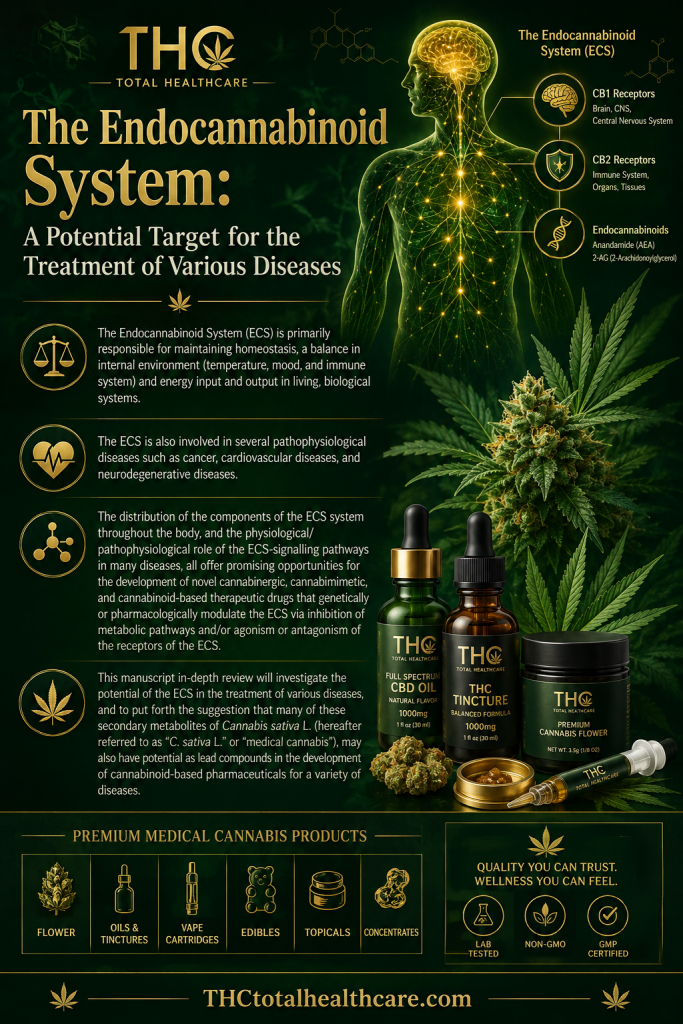
 “The Endocannabinoid System (ECS) is primarily responsible for maintaining homeostasis, a balance in internal environment (temperature, mood, and immune system) and energy input and output in living, biological systems.

 “Objectives: To evaluate the impact of cannabinoids on neurobehavioral outcomes in preclinical models of nontraumatic and traumatic spinal cord injury (SCI), with the aim of determining suitability for clinical trials involving SCI patients.
 “Colic is a common digestive disorder in horses and one of the most urgent problems in equine medicine. A growing body of literature has indicated that the activation of cannabinoid receptors could exert beneficial effects on gastrointestinal inflammation and visceral hypersensitivity.
 “Background:
 “Cannabidiol is increasingly considered for treatment of a wide range of medical conditions.
 “Studies investigating the psychosomatic effects of social isolation in animals have shown that one of the physiologic system that gets disrupted by this environment-affective change is the Endocannabinoid System. As the levels of endocannabinoids change in limbic areas and prefrontal cortex during stressful times, so is the subject more prone to fearful and negative thoughts and aggressive behavior. The interplay of social isolation on the hypothalamic-pituitary-adrenal axis and cannabinoid tone triggers a vicious cycle which further impairs the natural body’s homeostatic neuroendocrine levels and provokes a series of risk factors for developing health complications. In this paper, we explore the psychosomatic impact of prolonged quarantine in healthy individuals, and propose management and coping strategies that may improve endocannabinoid tone, such as integration of probiotics, cannabidiol, meditation, and physical exercise interventions with the aim of supporting interpersonal, individual, and professional adherence with COVID-19 emergency public measures whilst minimizing their psycho-physical impact.”