
 “Research within a gynecologic oncology population has lagged behind the uptake in use of medical cannabis for symptom control. This study seeks to evaluate patient experience with prescribed medical cannabis obtained through licensed dispensaries in women with gynecologic malignancies.
A 43-item survey exploring patient experience with medical cannabis was administered to women with gynecologic malignancies who used medical cannabis prescribed by a gynecologic oncologist. Thirty-six eligible patients were approached for consent, and 31 patients returned completed surveys (86%). Ninety-three percent had advanced or recurrent disease; 74% were receiving chemotherapy or immunotherapy.
Eighty-three percent reported medical cannabis provided relief from cancer or treatment-related symptoms including decreased appetite (41%), insomnia (41%), neuropathy (41%), anxiety (35%), nausea (29%), joint pain (29%), bone pain (29%), abdominal pain (25%), and depression (19%). Eighty percent of patients reported medical cannabis worked the same or better than other traditional medications for management of their cancer or treatment-related symptoms, and 83% reported medical cannabis had an equivalent or better side effect profile.
Of the subset of patients using medical cannabis for pain, 63% reported a reduction in opioid use. Patients perceive that medical cannabis was useful for relief of cancer and treatment-related symptoms, suggesting medical cannabis may be a reasonable alternative or adjunct therapy. Medical cannabis was well tolerated and may have the potential to improve neuropathic pain and decrease opioid use.”
https://pubmed.ncbi.nlm.nih.gov/33204797/
“Patients with gynecologic malignancies perceive medical cannabis relieves multiple cancer-related symptoms. Medical cannabis is well-tolerated and perceived to have a favorable side effect profile. Patients using medical cannabis for pain control report an associated reduction in opioid use.”
https://www.sciencedirect.com/science/article/pii/S2352578920301338?via%3Dihub
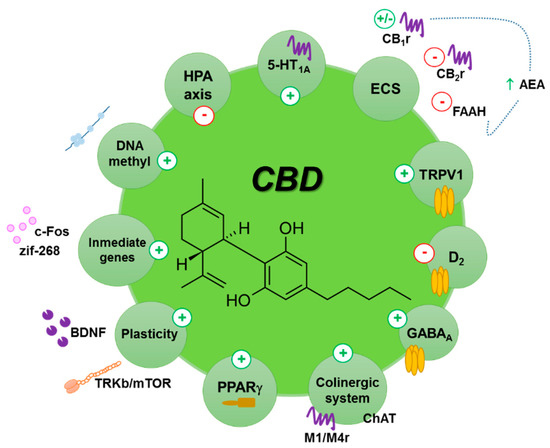
 “The potential therapeutic use of some Cannabis sativa plant compounds has been attracting great interest, especially for managing neuropsychiatric disorders due to the relative lack of efficacy of the current treatments.
 “The COVID-19 pandemic caused by SARS-CoV-2 is a deadly disease afflicting millions. The pandemic continues affecting population due to nonavailability of drugs and vaccines. The pathogenesis and complications of infection mainly involve hyperimmune-inflammatory responses. Thus, therapeutic strategies rely on repurposing of drugs aimed at reducing infectivity and inflammation and modulate immunity favourably.

 “Cannabis has been used as a medicine for millennia. Prohibition in the mid-20th century precluded early scientific investigation.
 “Medical cannabis and individual cannabinoids, such as tetrahydrocannabinol (THC) and cannabidiol (CBD), are receiving growing attention in both the media and the scientific literature. The Cannabis plant, however, produces over 100 different cannabinoids, and cannabigerol (CBG) serves as the precursor molecule for the most abundant phytocannabinoids.
 “The endocannabinoid (eCB) system encompasses the eCBs anandamide and 2-arachidonoylglycerol, their anabolic/catabolic enzymes, and the cannabinoid CB1 and CB2 receptors. Its expansion to include several eCB-like lipid mediators, their metabolic enzymes, and their molecular targets, forms the endocannabinoidome (eCBome).
 “Cannabidiol (CBD) is a non-psychoactive phytocannabinoid known for its beneficial effects including antioxidant and anti-inflammatory properties. Moreover, CBD is a compound with antidepressant, anxiolytic, anticonvulsant and antipsychotic effects. Thanks to all these properties, the interest of the scientific community for it has grown.
 “(E)-β-caryophyllene (BCP) is a bicyclic sesquiterpene widely distributed in the plant kingdom, where it contributes a unique aroma to essential oils and has a pivotal role in the survival and evolution of higher plants.
 “The endocannabinoid system (ECS) is natural physiological system in the humans. The presence of the ECS system involves different roles in body. The endocannabinoid system involves regulation of most of the centers, which regulates the hunger and leads to changes in the weight.