Bidirectional Effects of Cannabidiol on Contextual Fear Memory Extinction

Image result for frontiers in pharmacology

“Cannabidiol (CBD) is the major non-psychotropic constituent of the Cannabis plant and has anxiolytic therapeutic potential.

Cannabidiol (CBD) has been established to have both acute and long-lasting effects to reduce fear memory expression.

We showed that under conditions of strong fear conditioning, CBD reduced contextual fear memory expression both acutely during the extinction session as well as later at a fear retention test.

This pattern of results is consistent with CBD enhancing contextual fear memory extinction when the initial conditioning is strong, but impairing extinction when conditioning is weak. This bidirectional effect of CBD may be related to stress levels induced by conditioning and evoked at retrieval during extinction, rather than the strength of the memory per se.


 In summary, CBD had bidirectional effects on the extinction of contextual fear conditioning, depending on the nature of the initial fear conditioning. Nevertheless, in the more translationally-relevant stronger conditioning setting, CBD both acutely inhibited fear expression and enhanced extinction to produce longer lasting reductions in fear.
These observations provide further support for the potential translational use of CBD in conditions such as posttraumatic stress disorder and specific phobias.”

http://journal.frontiersin.org/article/10.3389/fphar.2016.00493/full?utm_source=S-TWT&utm_medium=SNET&utm_campaign=ECO_FPHAR_XXXXXXXX_auto-dlvrit%0A

Inhibition of cervical cancer cell proliferation by cannabidiol

“Seventy phytocannabinoids are now known to be synthesized by Cannabis sativa (marijuana)]. The major non-psychoactive cannabinoid cannabidiol (CBD) exhibits antiproliferative effects against breast, cervix, colon, glioma, leukemia, ovary, prostate, and thyroid cancer cells. In this study, we investigated the antiproliferative effect of CBD on the ME-180 cervical cancer cell line. The results of our study suggest that CBD exerts its antiproliferative effect via multiple mechanisms, and it could be a potential treatment for cervical cancer.”

https://www.thieme-connect.com/DOI/DOI?10.1055/s-0036-1596862

Marijuana Can Cure Epilepsy: Recent Studies Done By Scientists Of Birmingham Epilepsy Center Revealed

Image result for science world report

“A series of trials on marijuana to treat epilepsy is conducted by the Birmingham Epilepsy Center revealed that Cannabidiol (CBD), purified from Cannabis plant or commonly known marijuana, has high beneficial effects in the treatment of epileptic patients. The study revealed that oral administration of CBD oil caused a significant reduction in the frequency of epileptic seizures in adult and pediatric patients.”

http://www.scienceworldreport.com/articles/53849/20161207/marijuana-cure-epilepsy-recent-studies-done-scientists-birmingham-center-revealed.htm

Cannabidiol Reduces Seizures in Various Epilepsy Disorders

Image result for medscape

“A purified oral formulation of cannabidiol (CBD; Epidiolex, GW Pharmaceuticals) significantly reduces seizures in treatment-resistant epilepsy, according to new research that included double-blind randomized controlled trials of patients with Dravet syndrome (DS) and Lennox-Gastaut syndrome (LGS), two of the most difficult-to-manage seizure conditions.

The new research, released here at the American Epilepsy Society (AES) 2016 Annual Meeting, also highlights the relative safety of this new drug, a prescription medicine derived from the cannabis plant.”

http://www.medscape.com/viewarticle/872763

Cannabidiol Modulates the Immunophenotype and Inhibits the Activation of the Inflammasome in Human Gingival Mesenchymal Stem Cells.

 Image result for Front Physiol

“Human Gingival Mesenchymal Stem Cells (hGMSCs) are multipotential cells that can expand and differentiate in culture under specific and standardized conditions.

In the present study, we have investigated whether in vitro pre-treatment of hGMSCs with Cannabidiol(CBD) can influence their expression profile, improving the therapeutic potential of this cell culture.

In conclusion, the present study will provide a new simple and reproducible method for preconditioning hGMSCs with CBD, before transplantation, as an interesting strategy for improving the hGMSCs molecular phenotype, reducing the risk of immune or inflammatory reactions in the host, and in parallel, for increasing their survival and thus, their long-term therapeutic efficacy.”

https://www.ncbi.nlm.nih.gov/pubmed/27932991

Cannabidiol Regulation of Learned Fear: Implications for Treating Anxiety-Related Disorders.

Image result for frontiers in pharmacology

“Anxiety and trauma-related disorders are psychiatric diseases with a lifetime prevalence of up to 25%. Phobias and post-traumatic stress disorder (PTSD) are characterized by abnormal and persistent memories of fear-related contexts and cues. The effects of psychological treatments such as exposure therapy are often only temporary and medications can be ineffective and have adverse side effects.

Growing evidence from human and animal studies indicates that cannabidiol, the main non-psychotomimetic phytocannabinoid present in Cannabis sativa, alleviates anxiety in paradigms assessing innate fear.

More recently, the effects of cannabidiol on learned fear have been investigated in preclinical studies with translational relevance for phobias and PTSD.

Here we review the findings from these studies, with an emphasis on cannabidiol regulation of contextual fear.

The evidence indicates that cannabidiol reduces learned fear in different ways: (1) cannabidiol decreases fear expression acutely, (2) cannabidiol disrupts memory reconsolidation, leading to sustained fear attenuation upon memory retrieval, and (3) cannabidiol enhances extinction, the psychological process by which exposure therapy inhibits learned fear.

We also present novel data on cannabidiol regulation of learned fear related to explicit cues, which indicates that auditory fear expression is also reduced acutely by cannabidiol.

We conclude by outlining future directions for research to elucidate the neural circuit, psychological, cellular, and molecular mechanisms underlying the regulation of fear memory processing by cannabidiol.

This line of investigation may lead to the development of cannabidiol as a novel therapeutic approach for treating anxiety and trauma-related disorders such as phobias and PTSD in the future.”

Cannabidiol Activates Neuronal Precursor Genes in Human Gingival Mesenchymal Stromal Cells.

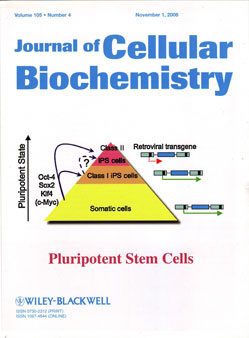
Image result for journal of cellular biochemistry

“In the last years, mesenchymal stromal cells (MSCs) from oral tissues have received considerable interest in regenerative medicine since they can be obtained with minimal invasive procedure and exhibit immunomodulatory properties.

This study was aimed to investigate whether in vitro pre-treatment of MSCs obtained from human gingiva (hGMSCs) with Cannabidiol (CBD), a cannabinoid component produced by the plant Cannabis sativa, may promote human gingiva derived MSCs to differentiate towards neuronal precursor cells.

From our results we hypothesize that human gingiva-derived MSCs conditioned with CBD could represent a valid method for improving the hGMSCs phenotype and thus might be a potential therapeutic tool in the treatment of neurodegenerative diseases.”

https://www.ncbi.nlm.nih.gov/pubmed/27918106

Anti-inflammatory effect of cannabinoid agonist WIN55, 212 on mouse experimental colitis is related to inhibition of p38MAPK.

Image result for World J Gastroenterol

“To investigate the anti-inflammatory effect and the possible mechanisms of an agonist of cannabinoid (CB) receptors, WIN55-212-2 (WIN55), in mice with experimental colitis, so as to supply experimental evidence for its clinical use in future.

These results confirmed the anti-inflammatory effect and protective role of WIN55 on the mice with experimental colitis, and revealed that this agent exercises its action at least partially by inhibiting p38MAPK.

Furthermore, the results showed that SB203580, affected the expression of CB1 and CB2 receptors in the mouse colon, suggesting a close linkage and cross-talk between the p38MAPK signaling pathway and the endogenous CB system.”

https://www.ncbi.nlm.nih.gov/pubmed/27920472

Plant cannabinoids: a neglected pharmacological treasure trove.

Logo of brjpharm

“Most of the cannabinoids in Cannabis sativa L. have not been fully evaluated for their pharmacological activity.

A publication in this issue presents evidence that a plant cannabinoid, Δ9-tetrahydrocannabivarin is a potent antagonist of anandamide, a major endogenous cannabinoid.

It seems possible that many of the non-psychoactive constituents of this plant will be of biological interest.

I sincerely believe that the plant cannabinoids are a neglected pharmacological treasure trove.”

https://www.ncbi.nlm.nih.gov/pmc/articles/PMC1751232/

What is THC?

“THC, or tetrahydrocannabinol, is the chemical responsible for most of marijuana’s psychological effects. It acts much like the cannabinoid chemicals made naturally by the body, according to the National Institute on Drug Abuse (NIDA).

Cannabinoid receptors are concentrated in certain areas of the brain associated with thinking, memory, pleasure, coordination and time perception. THC attaches to these receptors and activates them and affects a person’s memory, pleasure, movements, thinking, concentration, coordination, and sensory and time perception, according to NIDA.

THC is one of many compounds found in the resin secreted by glands of the marijuana plant. More of these glands are found around the reproductive organs of the plant than on any other area of the plant. Other compounds unique to marijuana, called cannabinoids, are present in this resin.

One cannabinoid, CBD is nonpsychoactive, according to the National Center for Biotechnology Information, and actually blocks the high associated with THC.”

http://www.livescience.com/24553-what-is-thc.html

http://www.thctotalhealthcare.com/category/thc-delta-9-tetrahydrocannabinol/