Cannabidiol Regulation of Learned Fear: Implications for Treating Anxiety-Related Disorders.

Image result for frontiers in pharmacology

“Anxiety and trauma-related disorders are psychiatric diseases with a lifetime prevalence of up to 25%. Phobias and post-traumatic stress disorder (PTSD) are characterized by abnormal and persistent memories of fear-related contexts and cues. The effects of psychological treatments such as exposure therapy are often only temporary and medications can be ineffective and have adverse side effects.

Growing evidence from human and animal studies indicates that cannabidiol, the main non-psychotomimetic phytocannabinoid present in Cannabis sativa, alleviates anxiety in paradigms assessing innate fear.

More recently, the effects of cannabidiol on learned fear have been investigated in preclinical studies with translational relevance for phobias and PTSD.

Here we review the findings from these studies, with an emphasis on cannabidiol regulation of contextual fear.

The evidence indicates that cannabidiol reduces learned fear in different ways: (1) cannabidiol decreases fear expression acutely, (2) cannabidiol disrupts memory reconsolidation, leading to sustained fear attenuation upon memory retrieval, and (3) cannabidiol enhances extinction, the psychological process by which exposure therapy inhibits learned fear.

We also present novel data on cannabidiol regulation of learned fear related to explicit cues, which indicates that auditory fear expression is also reduced acutely by cannabidiol.

We conclude by outlining future directions for research to elucidate the neural circuit, psychological, cellular, and molecular mechanisms underlying the regulation of fear memory processing by cannabidiol.

This line of investigation may lead to the development of cannabidiol as a novel therapeutic approach for treating anxiety and trauma-related disorders such as phobias and PTSD in the future.”

Cannabidiol Activates Neuronal Precursor Genes in Human Gingival Mesenchymal Stromal Cells.

Image result for journal of cellular biochemistry

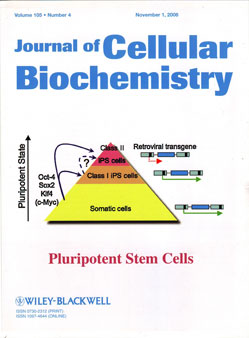
“In the last years, mesenchymal stromal cells (MSCs) from oral tissues have received considerable interest in regenerative medicine since they can be obtained with minimal invasive procedure and exhibit immunomodulatory properties.

This study was aimed to investigate whether in vitro pre-treatment of MSCs obtained from human gingiva (hGMSCs) with Cannabidiol (CBD), a cannabinoid component produced by the plant Cannabis sativa, may promote human gingiva derived MSCs to differentiate towards neuronal precursor cells.

From our results we hypothesize that human gingiva-derived MSCs conditioned with CBD could represent a valid method for improving the hGMSCs phenotype and thus might be a potential therapeutic tool in the treatment of neurodegenerative diseases.”

https://www.ncbi.nlm.nih.gov/pubmed/27918106

Plant cannabinoids: a neglected pharmacological treasure trove.

Logo of brjpharm

“Most of the cannabinoids in Cannabis sativa L. have not been fully evaluated for their pharmacological activity.

A publication in this issue presents evidence that a plant cannabinoid, Δ9-tetrahydrocannabivarin is a potent antagonist of anandamide, a major endogenous cannabinoid.

It seems possible that many of the non-psychoactive constituents of this plant will be of biological interest.

I sincerely believe that the plant cannabinoids are a neglected pharmacological treasure trove.”

https://www.ncbi.nlm.nih.gov/pmc/articles/PMC1751232/

What is THC?

“THC, or tetrahydrocannabinol, is the chemical responsible for most of marijuana’s psychological effects. It acts much like the cannabinoid chemicals made naturally by the body, according to the National Institute on Drug Abuse (NIDA).

Cannabinoid receptors are concentrated in certain areas of the brain associated with thinking, memory, pleasure, coordination and time perception. THC attaches to these receptors and activates them and affects a person’s memory, pleasure, movements, thinking, concentration, coordination, and sensory and time perception, according to NIDA.

THC is one of many compounds found in the resin secreted by glands of the marijuana plant. More of these glands are found around the reproductive organs of the plant than on any other area of the plant. Other compounds unique to marijuana, called cannabinoids, are present in this resin.

One cannabinoid, CBD is nonpsychoactive, according to the National Center for Biotechnology Information, and actually blocks the high associated with THC.”

http://www.livescience.com/24553-what-is-thc.html

http://www.thctotalhealthcare.com/category/thc-delta-9-tetrahydrocannabinol/

Smoking cannabis ‘helps addicts give up heroin’, study finds

Smoking cannabis ‘helps addicts give up heroin’, study finds

“Smoking weed helps patients give up opiates such as heroin, a new study has found.

Researchers at Columbia University monitored patients undergoing treatment for opiate addiction – and found that patients who smoked weed were more able to sleep, less anxious, and more likely to complete their course.

 The researchers also found that dosing patients with dronabinol – a drug consisting of the ‘active’ ingredient in cannabis, THC – helped with withdrawal symptoms.”

http://metro.co.uk/2015/12/02/smoking-cannabis-helps-addicts-give-up-heroin-study-finds-5538896/

Cannabis-induced Moto-Cognitive Dysfunction in Wistar Rats: Ameliorative Efficacy of Nigella Sativa.

Image result for Malaysian Journal of Medical Sciences

“Cannabis is a widely used illicit drug with various threats of personality syndrome, and Nigella sativa has been widely implicated as having therapeutic efficacy in many neurological diseases.

The present study investigates the ameliorative efficacy of Nigella sativa oil (NSO) on cannabis-induced moto-cognitive defects.

CONCLUSIONS:

The observed ameliorative effects of NSO make it a promising agent against moto-cognitive dysfunction and cerebelo-hippocampal alterations induced by cannabis.”

Are adolescents more vulnerable to the harmful effects of cannabis than adults? A placebo-controlled study in human males.

Image result for Transl Psychiatry

“Preclinical research demonstrates that cannabinoids have differing effects in adolescent and adult animals. Whether these findings translate to humans has not yet been investigated. Here we believe we conducted the first study to compare the acute effects of cannabis in human adolescent (n=20; 16-17 years old) and adult (n=20; 24-28 years old) male cannabis users, in a placebo-controlled, double-blind cross-over design.

After inhaling vaporized active or placebo cannabis, participants completed tasks assessing spatial working memory, episodic memory and response inhibition, alongside measures of blood pressure and heart rate, psychotomimetic symptoms and subjective drug effects (for example, ‘stoned’, ‘want to have cannabis’).

Results showed that on active cannabis, adolescents felt less stoned and reported fewer psychotomimetic symptoms than adults. Further, adults but not adolescents were more anxious and less alert during the active cannabis session (both pre- and post-drug administration). Following cannabis, cognitive impairment (reaction time on spatial working memory and prose recall following a delay) was greater in adults than adolescents. By contrast, cannabis impaired response inhibition accuracy in adolescents but not in adults.

Moreover, following drug administration, the adolescents did not show satiety; instead they wanted more cannabis regardless of whether they had taken active or placebo cannabis, while the opposite was seen for adults. These contrasting profiles of adolescent resilience (blunted subjective, memory, physiological and psychotomimetic effects) and vulnerability (lack of satiety, impaired inhibitory processes) show some degree of translation from preclinical findings, and may contribute to escalated cannabis use by human adolescents.” https://www.ncbi.nlm.nih.gov/pubmed/27898071

“Developmental observations suggest further that CB1 receptors develop only gradually during the postnatal period, which correlates with an insensitivity to the psychoactive effects of cannabinoid treatment in the young organism. Therefore, it is suggested that children may respond positively to medicinal applications of cannabinoids without undesirable central effects.” https://www.ncbi.nlm.nih.gov/pubmed/15159678

Decreased CB receptor binding and cannabinoid signaling in three brain regions of a rat model of schizophrenia.

Image result for Neurosci Lett

“Schizophrenia is a serious mental health disorder characterized by several behavioral and biochemicel abnormalities.

In a previous study we have shown that mu-opioid (MOP) receptor signaling is impaired in specific brain regions of our three-hit animal model of schizophrenia. Since the cannabinoid system is significantly influenced in schizophrenic patients, in the present work we investigated cannabinoid (CB) receptor binding and G-protein activation in cortical, subcortical and cerebellar regions of control and ‘schizophrenic’ rats.

Taken together, in all three brain areas of model rats both cannabinoid receptor binding and cannabinoid agonist-mediated G-protein activation were regularly decreased.

Our results revealed that besides the opioids, the endocannabinoid – cannabis receptor system also shows impairment in our rat model, increasing its face validity and translational utility.”

https://www.ncbi.nlm.nih.gov/pubmed/27639959

Target regulation of PI3K/Akt/mTOR pathway by cannabidiol in treatment of experimental multiple sclerosis.

Image result for Fitoterapia journal

“This study was aimed to investigate whether treatment with purified cannabidiol (CBD) may counteract the development of experimental multiple sclerosis (MS), by targeting the PI3K/Akt/mTOR pathway.

Our results showed a clear downregulation of the PI3K/Akt/mTOR pathway following EAE induction. CBD treatment was able to restore it, increasing significantly the phosphorylation of PI3K, Akt and mTOR. Also, an increased level of BNDF in CBD-treated mice seems to be involved in the activation of PI3K/Akt/mTOR pathway.

In addition, our data demonstrated that therapeutic efficacy of CBD treatment is due to reduction of pro-inflammatory cytokines, like IFN-γ and IL-17 together with an up-regulation of PPARγ. Finally, CBD was found to promote neuronal survival by inhibiting JNK and p38 MAP kinases.

These results provide an interesting discovery about the regulation of the PI3K/Akt/mTOR pathway by cannabidiol administration, that could be a new potential therapeutic target for MS management.”

https://www.ncbi.nlm.nih.gov/pubmed/27890794

Cannabidiol reduces neuroinflammation and promotes neuroplasticity and functional recovery after brain ischemia.

Image result for Prog Neuropsychopharmacol Biol Psychiatry.

“This study investigated the effects of cannabidiol (CBD), a non-psychotomimetic phytochemical present in Cannabis sativa, on the cognitive and emotional impairments induced by bilateral common carotid artery occlusion (BCCAO) in mice.

Using a multi-tiered behavioral testing battery during 21days, we found that BCCAO mice exhibited long-lasting functional deficits reflected by increase in anxiety-like behavior (day 9), memory impairments (days 12-18) and despair-like behavior (day 21).

Short-term CBD 10mg/kg treatment prevented the cognitive and emotional impairments, attenuated hippocampal neurodegeneration and white matter (WM) injury, and reduced glial response that were induced by BCCAO.

In addition, ischemic mice treated with CBD exhibited an increase in the hippocampal brain derived neurotrophic factor (BDNF) protein levels.

CBD also stimulated neurogenesis and promoted dendritic restructuring in the hippocampus of BCCAO animals.

Collectively, the present results demonstrate that short-term CBD treatment results in global functional recovery in ischemic mice and impacts multiple and distinct targets involved in the pathophysiology of brain ischemic injury.”

https://www.ncbi.nlm.nih.gov/pubmed/27889412