
 “Research within a gynecologic oncology population has lagged behind the uptake in use of medical cannabis for symptom control. This study seeks to evaluate patient experience with prescribed medical cannabis obtained through licensed dispensaries in women with gynecologic malignancies.
A 43-item survey exploring patient experience with medical cannabis was administered to women with gynecologic malignancies who used medical cannabis prescribed by a gynecologic oncologist. Thirty-six eligible patients were approached for consent, and 31 patients returned completed surveys (86%). Ninety-three percent had advanced or recurrent disease; 74% were receiving chemotherapy or immunotherapy.
Eighty-three percent reported medical cannabis provided relief from cancer or treatment-related symptoms including decreased appetite (41%), insomnia (41%), neuropathy (41%), anxiety (35%), nausea (29%), joint pain (29%), bone pain (29%), abdominal pain (25%), and depression (19%). Eighty percent of patients reported medical cannabis worked the same or better than other traditional medications for management of their cancer or treatment-related symptoms, and 83% reported medical cannabis had an equivalent or better side effect profile.
Of the subset of patients using medical cannabis for pain, 63% reported a reduction in opioid use. Patients perceive that medical cannabis was useful for relief of cancer and treatment-related symptoms, suggesting medical cannabis may be a reasonable alternative or adjunct therapy. Medical cannabis was well tolerated and may have the potential to improve neuropathic pain and decrease opioid use.”
https://pubmed.ncbi.nlm.nih.gov/33204797/
“Patients with gynecologic malignancies perceive medical cannabis relieves multiple cancer-related symptoms. Medical cannabis is well-tolerated and perceived to have a favorable side effect profile. Patients using medical cannabis for pain control report an associated reduction in opioid use.”
https://www.sciencedirect.com/science/article/pii/S2352578920301338?via%3Dihub
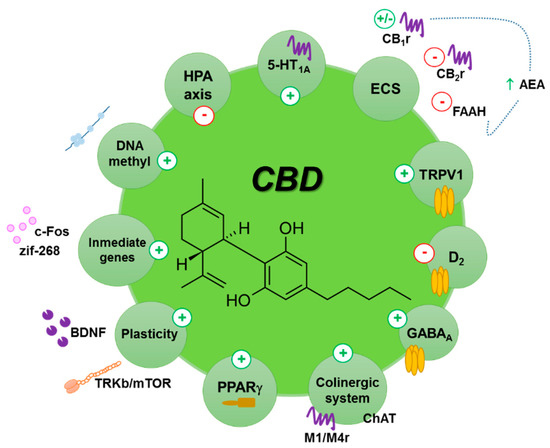
 “The potential therapeutic use of some Cannabis sativa plant compounds has been attracting great interest, especially for managing neuropsychiatric disorders due to the relative lack of efficacy of the current treatments.
 “Little is known about the patients’ view on treatment with medical cannabis (MC) for Parkinson’s disease (PD).
 “With the current COVID-19 pandemic, caused by the severe acute respiratory syndrome coronavirus 2 (SARS-CoV-2), there is an urgent need for new therapies and prevention strategies that can help curtail disease spread and reduce mortality.
 “Objectives: To assess the motivation of cancer survivors to consume medical cannabis and to assess the patterns of use, perceived efficacy, as well as side and adverse effects.
 “Background: Frontotemporal dementia (FTD) is characterized by progressive deterioration in behaviors, executive function and/or language. The behavioral variant (Bv) is characterized by disinhibition and obsessive/compulsive behaviors. These symptoms are sometimes resistant to medications. This series examines patients suffering with treatment-resistant Bv-FTD who were prescribed cannabinoid and related compounds for other indications.
 “The increasing legalization of Cannabis for recreational and medicinal purposes in the United States has spurred renewed interest in the therapeutic potential of cannabinoids (CBs) for human disease.
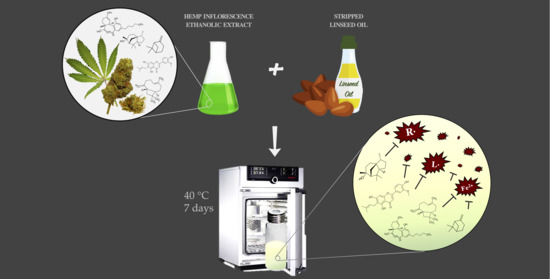
 “The ability of hemp (Cannabis sativa L.) inflorescence extract to counteract lipid oxidation was studied in stripped linseed oil.
 “Cannabis has been used as a medicine for millennia. Prohibition in the mid-20th century precluded early scientific investigation.
 “A large number of cannabinoids have been discovered that could play a role in mitigating cardiac affections. However, none of them has been as widely studied as cannabidiol (CBD), most likely because, individually, the others offer only partial effects or can activate potential harmful pathways.