
 “Cannabis is increasingly being used for medicinal purposes but remains outside Western medical practice. Data on perioperative use and outcomes are scarce. Few surgeons receive training regarding legal endorsement, reported medicinal benefits, and potential risks, making it difficult to advise patients. Guidelines and additional research are needed.
Observations: It is legal to recommend cannabis, which can be obtained in states with medical cannabis programs. There are many methods of consumption, oral being the safest. Activity is primarily through Δ9-tetrahydrocannabinol (THC) and cannabidiol (CBD) via cannabinoid receptors, which may be potentiated when taken together in the plant or plant extract. The known effects of cannabis on inflammation and malignancy are largely limited to laboratory experiments. However, there are higher-quality data to support adjunctive use of cannabis for relief of pain, nausea, and insomnia, which may be useful postoperatively and could potentially decrease reliance on opiates and benzodiazepines. There are prospective trials in surgical patients, but no reported data regarding surgical complications or other surgical outcomes. Currently, cannabis is regulated differently than other controlled substances, and there are issues with purity/homogeneity, making it difficult for surgeons to accept or significantly explore its medical benefits.
Conclusions and relevance: Recommendations are made for surgeons advising patients who use cannabis based on the limited existing data. While cannabis likely has some therapeutic benefits, it must be treated as other medical controlled substances to truly elucidate its role in surgical patient care.”
https://pubmed.ncbi.nlm.nih.gov/33263719/
https://jamanetwork.com/journals/jamasurgery/article-abstract/2773526
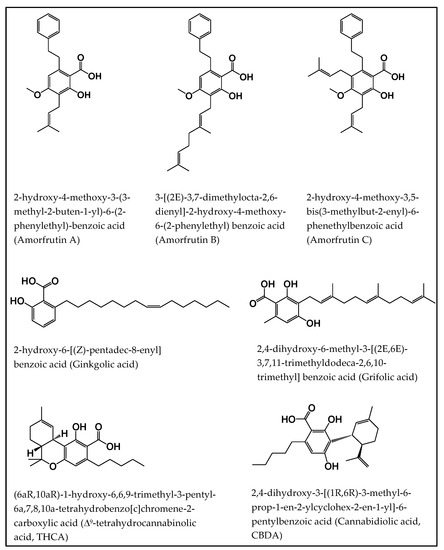
 “Salicylic acid (SA) is a plant hormone which plays a crucial role in the plant defense against various pathogens and abiotic stresses. Increasing reports suggest that this phenolic compound and its derivatives, collectively termed salicylates, not only regulate plant defense but also have beneficial effects on human health. Both natural and synthetic salicylates are known to have multiple targets in humans, thereby exhibiting various appreciating pharmacological roles, including anti-inflammatory, anticancer, neuroprotective, antidiabetic effects, and so on. The role of some salicylates, such as acetylsalicylic acid (aspirin), 5-aminosalicylic acid (mesalazine), and amorfrutins in human diseases has been well studied in vitro. However, their clinical significance in different diseases is largely unknown. Based on recent studies, five natural salicylates, including amorfrutin, ginkgolic acid, grifolic acid, tetrahydrocannabinolic acid, and cannabidiolic acid, showed potential roles in different challenging human diseases. This review summarizes together some of the recent information on multitarget regulatory activities of these natural salicylates and their pharmacological roles in human health.”
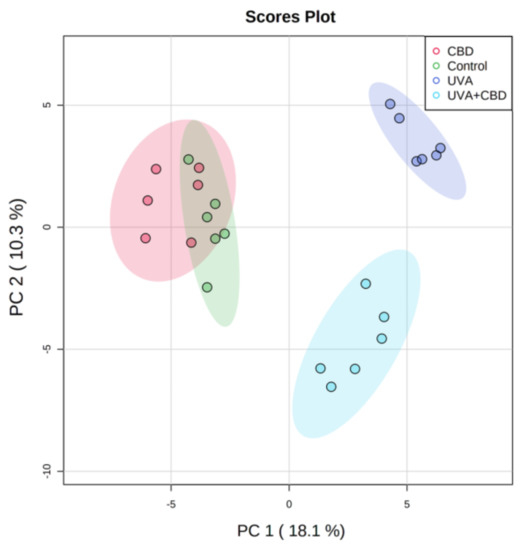
 “UV radiation is a well-established environmental risk factor known to cause oxidative stress and disrupt the metabolism of keratinocyte phospholipids. Cannabidiol (CBD) is a phytocannabinoid with anti-inflammatory and antioxidant effects.
 “There is not a single pharmacological agent with demonstrated therapeutic efficacy for traumatic brain injury (TBI). With recent legalization efforts and the growing popularity of medical cannabis, patients with TBI will inevitably consider medical cannabis as a treatment option.
 “Chronic pelvic pain (CPP) affects up to 15% of women in the United States. The endocannabinoid system is a potential pharmacological target for pelvic pain as cannabinoid receptors are highly expressed in the uterus and other nonreproductive tissues.
 “Opioid misuse and overuse has contributed to a widespread overdose crisis and many patients and physicians are considering medical cannabis to support opioid tapering and chronic pain control. Using a five-step modified Delphi process, we aimed to develop consensus-based recommendations on: 1) when and how to safely initiate and titrate cannabinoids in the presence of opioids, 2) when and how to safely taper opioids in the presence of cannabinoids, and 3) how to monitor patients and evaluate outcomes when treating with opioids and cannabinoids.
 “Low tetrahydrocannabinol Cannabis sativa products, also known as hemp products, have become widely available and their use in veterinary patients has become increasingly popular. Despite prevalence of use, the veterinary literature is lacking and evidence-based resource for cannabinoid efficacy.
 “Cannabis has long been used for healing and recreation in several regions of the world. Over 400 bioactive constituents, including more than 100 phytocannabinoids, have been isolated from this plant. The non-psychoactive cannabidiol (CBD) and the psychoactive Δ9-tetrahydrocannabinol (Δ9-THC) are the major and widely studied constituents from this plant.
 “Cannabidiol (CBD) has anti-tumorigenic activity. However, the anti-cancer effect of CBD on head and neck squamous cell carcinoma (HNSCC) remains unclear. The cytotoxicity of CBD on HNSCC was analyzed using cell survival and colony-forming assays in vitro.