
 “The most recent studies published or initiated in the last 18 months, investigating cannabidiol in the treatment of symptoms of schizophrenia and related conditions are summarized, including observed tolerability and reported side-effects.
RECENT FINDINGS:
Recent studies focused on patients with sub-acute psychotic syndromes of schizophrenia, clinical high-risk state for psychosis (CHR-P), or frequent cannabis users, as well as cognitive functioning in chronic schizophrenia. There is further, although not consistent evidence for cannabidiol-reducing positive symptoms, but not negative symptoms. Evidence for improvement of cognition was weaker, with one study reporting a worsening. Regarding side effects and tolerability, cannabidiol induced sedation in one study, with the other studies indicating good tolerability, even at high doses.
SUMMARY:
Recent clinical trials added further evidence for an antipsychotic potential of cannabidiol. In general, studies following trial designs as suggested by regulators in schizophrenia are needed in sufficient numbers to clarify the safety and efficacy of cannabidiol herein. In addition, such studies will further elucidate its ability to target specific aspects of the syndrome, such as negative or cognitive symptoms. Furthermore, aiming for an add-on treatment with cannabidiol will require further studies to identify potentially useful or even harmful combinations.”
 “To determine whether differences in disability status, spasticity severity, and spasticity duration at treatment start in patients with resistant multiple sclerosis (MS) spasticity might influence response to add-on tetrahydrocannabinol:
 “The cellular microenvironment plays a critical role in the maintenance of bone marrow-derived mesenchymal stem cells (BM-MSCs) and their subsequent cell lineage differentiation. Recent studies suggested that individuals with adipocyte-related metabolic disorders have altered function and adipogenic potential of adipose stem cell subpopulations, primarily BM-MSCs, increasing the risk of heart attack, stroke or diabetes.


 “Radiotherapy combined with chemotherapy is the major treatment modality for human glioblastoma multiforme (GBM). GBMs eventually relapse after treatment and the average survival of GBM patients is less than two years.
 “Highly purified
 “In this report, we present a case of a 16,9-year-old patient with multiple substance use disorder (
 “Patients with non-small cell lung cancer (NSCLC) develop resistance to antitumor agents by mechanisms that involve the epithelial-to-mesenchymal transition (EMT). This necessitates the development of new complementary drugs, e.g.,
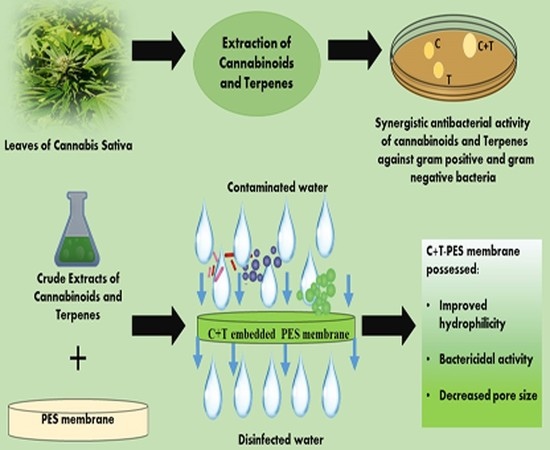
 “Plant phytochemicals have potential decontaminating properties, however, their role in the amelioration of hydrophobic water filtration membranes have not been elucidated yet.
 “Novel anticancer medicines, including targeted therapies and immune checkpoint inhibitors, have greatly improved the management of cancers. However, both conventional and new anticancer treatments induce cardiac adverse effects, which remain a critical issue in clinic.