“The recent liberalisation of cannabis regulation has increased public and scientific debate about its potential benefits and risks. A key focus has been the extent to which cannabidiol (CBD) might influence the acute effects of delta-9-tetrahydrocannabinol (THC), but this has never been reviewed systematically. In this systematic review of how CBD influences the acute effects of THC we identified 16 studies involving 466 participants. Ten studies were judged at low risk of bias. The findings were mixed, although CBD was found to reduce the effects of THC in several studies. Some studies found that CBD reduced intense experiences of anxiety or psychosis-like effects of THC and blunted some of the impairments on emotion and reward processing. However, CBD did not consistently influence the effects of THC across all studies and outcomes. There was considerable heterogeneity in dose, route of administration and THC:CBD ratio across studies and no clear dose-response profile emerged. Although findings were mixed, this review suggests that CBD may interact with some acute effects of THC.”
https://www.ncbi.nlm.nih.gov/pubmed/31580839
“CBD influenced the effects of THC in some but not all studies. Several studies found that CBD reduced the acute effects of THC. CBD may reduce intense experiences of anxiety or psychosis-like effects of THC. CBD may blunt effects of THC on emotion and reward processing. CBD did not alter subjective intoxication or psychomotor effects of THC. CBD may influence the benefits and harms of cannabis”
https://www.sciencedirect.com/science/article/pii/S0149763419305615?via%3Dihub
 “Research in the cannabinoid field, namely on phytocannabinoids, the endogenous cannabinoids anandamide and 2-arachidonoyl glycerol and their metabolizing and synthetic enzymes, the cannabinoid receptors, and anandamide-like cannabinoid compounds, has expanded tremendously over the last few years. Numerous endocannabinoid-like compounds have been discovered. The Cannabis plant constituent
 “The high prevalence of chronic pain conditions combined with an over-reliance on opioid prescriptions has resulted in an opioid epidemic and a desperate need for solutions.
 “Hemp (
 “Grade IV glioblastoma multiforme is a deadly disease, with a median survival of around 14 to 16 months. Maximal resection followed by adjuvant radiochemotherapy has been the mainstay of treatment since many years, although survival is only extended by a few months. In recent years, an increasing number of data from in vitro and in vivo research with cannabinoids, particularly with the non-intoxicating cannabidiol (CBD), point to their potential role as tumour-inhibiting agents. Herein, a total of nine consecutive patients with brain tumours are described as case series; all patients received CBD in a daily dose of 400 mg concomitantly to the standard therapeutic procedure of maximal resection followed by radiochemotherapy. By the time of the submission of this article, all but one patient are still alive with a mean survival time of 22.3 months (range=7-47 months). This is longer than what would have been expected.”
 “Evidence suggests that the phytocannabinoids Δ-9-tetrahydrocannabinol (THC) and cannabidiol (CBD) differentially regulate salience attribution and psychiatric risk. The ventral hippocampus (vHipp) relays emotional salience via control of dopamine (DA) neuronal activity states, which are dysregulated in psychosis and schizophrenia. Using in-vivo electrophysiology in male Sprague Dawley rats, we demonstrate that intra-vHipp THC strongly increases ventral tegmental area (VTA) DA neuronal frequency and bursting rates, decreases GABA frequency, and amplifies VTA beta, gamma and epsilon oscillatory magnitudes via modulation of local extracellular signal-regulated kinase phosphorylation (pERK1-2). Remarkably, whereas intra-vHipp THC also potentiates salience attribution in morphine place-preference and fear conditioning assays, CBD co-administration reverses these changes by down-regulating pERK1-2 signaling, as pharmacological re-activation of pERK1-2 blocked the inhibitory properties of CBD. These results identify vHipp pERK1-2 signaling as a critical neural nexus point mediating THC-induced affective disturbances and suggest a potential mechanism by which CBD may counteract the psychotomimetic and psychotropic side-effects of THC.
 “Use of medical cannabis for improving symptoms of inflammatory bowel disease is increasing. However, reports on long-term outcomes are lacking. This prospective, observational study assessed the effects of licensed cannabis use among patients with inflammatory bowel disease.

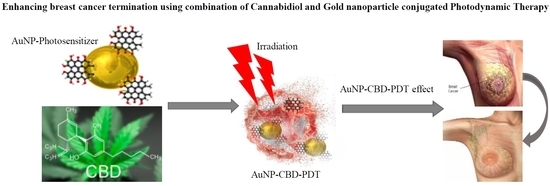
 “Indisputably, cancer is a global crisis that requires immediate intervention. Despite the use of conventional treatments over the past decades, it is acceptable to admit that these are expensive, invasive, associated with many side effects and, therefore, a reduced quality of life.