Combination of cannabinoids, delta-9-tetrahydrocannabinol (THC) and cannabidiol (CBD), mitigates experimental autoimmune encephalomyelitis (EAE) by altering the gut microbiome.

Brain, Behavior, and Immunity“Currently, a combination of marijuana cannabinoids including delta-9-tetrahydrocannabinol (THC) and cannabidiol (CBD) is used as a drug to treat muscle spasticity in patients with Multiple Sclerosis (MS).

Because these cannabinoids can also suppress inflammation, it is unclear whether such patients benefit from suppression of neuroinflammation and if so, what is the mechanism through which cannabinoids act.

In the currently study, we used a murine model of MS, experimental autoimmune encephalomyelitis (EAE), to study the role of gut microbiota in the attenuation of clinical signs of paralysis and inflammation caused by cannabinoids.

THC+CBD treatment attenuated EAE and caused significant decrease in inflammatory cytokines such as IL-17 and IFN-γ while promoting the induction of anti-inflammatory cytokines such as IL-10 and TGF-β. Use of 16S rRNA sequencing on bacterial DNA extracted from the gut revealed that EAE mice showed high abundance of mucin degrading bacterial species, such as Akkermansia muciniphila (A.muc), which was significantly reduced after THC+CBD treatment.

Fecal Material Transfer (FMT) experiments confirmed that THC+CBD-mediated changes in the microbiome play a critical role in attenuating EAE. In silico computational metabolomics revealed that LPS biosynthesis, a key component in gram-negative bacteria such as A.muc, was found to be elevated in EAE mice which was confirmed by demonstrating higher levels of LPS in the brain, while treatment with THC+CBD reversed this trend. EAE mice treated with THC+CBD also had significantly higher levels of short chain fatty acids such as butyric, isovaleric, and valeric acids compared to naïve or disease controls.

Collectively, our data suggest that cannabinoids may attenuate EAE and suppress neuroinflammation by preventing microbial dysbiosis seen during EAE and promoting healthy gut microbiota.”

https://www.ncbi.nlm.nih.gov/pubmed/31356922

https://www.sciencedirect.com/science/article/pii/S0889159119306476?via%3Dihub

Associations between adolescent cannabis use frequency and adult brain structure: A prospective study of boys followed to adulthood.

Drug and Alcohol Dependence“Few studies have tested the hypothesis that adolescent cannabis users show structural brain alterations in adulthood.

The present study tested associations between prospectively-assessed trajectories of adolescent cannabis use and adult brain structure in a sample of boys followed to adulthood.

Boys in different trajectory subgroups did not differ on adult brain structure in any subcortical or cortical region of interest. Adolescent cannabis use is not associated with structural brain differences in adulthood.”

https://www.ncbi.nlm.nih.gov/pubmed/31357120


“Adolescent cannabis users did not differ in adult brain structure. Adolescent cannabis use is not associated with lasting structural brain differences.”


https://www.sciencedirect.com/science/article/abs/pii/S0376871619302352?via%3Dihub

In-hospital outcomes of inflammatory bowel disease in cannabis users: a nationwide propensity-matched analysis in the United States.

“Literature suggests the role of cannabis (marijuana) as an anti-inflammatory agent. However, the impact of recreational marijuana usage on in-hospital outcomes of inflammatory bowel disease (IBD) remains indistinct.

We assessed the outcomes of Crohn’s disease (CD) as well as ulcerative colitis (UC) with vs. without recreational marijuana usage using a nationally illustrative propensity-matched sample.

RESULTS:

Propensity-matched cohorts included 6,002 CD (2,999 cannabis users & 3,003 non-users) and 1,481 UC (742 cannabisusers & 739 non-users) hospitalizations. In CD patients, prevalence of colorectal cancer (0.3% vs. 1.2%, P<0.001), need for parenteral nutrition (3.0% vs. 4.7%, P=0.001) and anemia (25.6% vs. 30.1%, P<0.001) were lower in cannabis users. However, active fistulizing disease or intraabdominal abscess formation (8.6% vs. 5.9%, P<0.001), unspecific lower gastrointestinal (GI) hemorrhage (4.0% vs. 2.7%, P=0.004) and hypovolemia (1.2% vs. 0.5%, P=0.004) were higher with recreational cannabis use. The mean hospital stay was shorter (4.2 vs. 5.0 days) with less hospital charges ($28,956 vs. $35,180, P<0.001) in cannabis users. In patients with UC, cannabis users faced the higher frequency of fluid and electrolyte disorders (45.1% vs. 29.6%, P<0.001), and hypovolemia (2.7% vs.<11) with relatively lower frequency of postoperative infections (<11 vs. 3.4%, P=0.010). No other complications were significant enough for comparison between the cannabis users and non-users in this group. Like CD, UC-cannabis patients had shorter mean hospital stay (LOS) (4.3 vs. 5.7 days, P<0.001) and faced less financial burden ($30,393 vs. $41,308, P<0.001).

CONCLUSIONS:

We found a lower frequency of colorectal cancer, parenteral nutrition, anemia but a higher occurrences of active fistulizing disease or intraabdominal abscess formation, lower GI hemorrhage and hypovolemia in the CD cohort with cannabis usage. In patients with UC, frequency of complications could not be compared between the two cohorts, except a higher frequency of fluid and electrolyte disorders and hypovolemia, and a lower frequency of postoperative infections with cannabis use. A shorter length of stay (LOS)  and lesser hospital charges were observed in both groups with recreational marijuana usage.”

https://www.ncbi.nlm.nih.gov/pubmed/31355219

http://atm.amegroups.com/article/view/25637/24217

Cannabidiol Induces Cell Cycle Arrest and Cell Apoptosis in Human Gastric Cancer SGC-7901 Cells.

 biomolecules-logo“The main chemical component of cannabis, cannabidiol (CBD), has been shown to have antitumor properties.

The present study examined the in vitro effects of CBD on human gastric cancer SGC-7901 cells.

We found that CBD significantly inhibited the proliferation and colony formation of SGC-7901 cells.

These results indicated that CBD could induce G0-G1 phase cell cycle arrest and apoptosis by increasing ROS production, leading to the inhibition of SGC-7901 cell proliferation, thereby suggesting that CBD may have therapeutic effects on gastric cancer.”

https://www.ncbi.nlm.nih.gov/pubmed/31349651

“These findings may be utilized in the development of CBD as a potential drug for the treatment of gastric cancer.”

https://www.mdpi.com/2218-273X/9/8/302

Development of An Oral Treatment with the PPAR-γ-Acting Cannabinoid VCE-003.2 Against the Inflammation-Driven Neuronal Deterioration in Experimental Parkinson’s Disease.

molecules-logo “In a recent study, we described the neuroprotective properties of VCE-003.2-an aminoquinone derivative of the non-psychotropic phytocannabinoid cannabigerol (CBG)-administered intraperitoneally (i.p.) in an inflammatory model of Parkinson’s disease (PD). We also demonstrated that these properties derive from its activity on the peroxisome proliferator-activated receptor-γ, in particular at a regulatory site within this receptor type.

In the present study, we wanted to further confirm this neuroprotective potential using an oral lipid formulation of VCE-003.2, developed to facilitate the clinical development of this phytocannabinoid derivative.

To this end, we evaluated VCE-003.2, administered orally at two doses (10 and 20 mg/kg), to mice subjected to unilateral intrastriatal injections of lipopolysaccharide (LPS), a classic model of inflammation-driven neuronal deterioration that recapitulates characteristics of PD.

In summary, our data confirm the neuroprotective potential of an oral formulation of VCE-003.2 against neuronal injury in an in vivo model of PD based on neuroinflammation, and this study opens the possibility to further the development of oral VCE-003.2 in the clinic.”

https://www.ncbi.nlm.nih.gov/pubmed/31349553

https://www.mdpi.com/1420-3049/24/15/2702

Targeting Cannabinoid Signaling in the Immune System: “High”-ly Exciting Questions, Possibilities, and Challenges

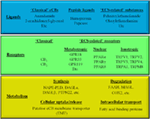
Image result for frontiers in immunology“It is well known that certain active ingredients of the plants of Cannabis genus, i.e., the “phytocannabinoids” [pCBs; e.g., (−)-trans-Δ9-tetrahydrocannabinol (THC), (−)-cannabidiol, etc.] can influence a wide array of biological processes, and the human body is able to produce endogenous analogs of these substances [“endocannabinoids” (eCB), e.g., arachidonoylethanolamine (anandamide, AEA), 2-arachidonoylglycerol (2-AG), etc.]. These ligands, together with multiple receptors (e.g., CB1 and CB2 cannabinoid receptors, etc.), and a complex enzyme and transporter apparatus involved in the synthesis and degradation of the ligands constitute the endocannabinoid system (ECS), a recently emerging regulator of several physiological processes. The ECS is widely expressed in the human body, including several members of the innate and adaptive immune system, where eCBs, as well as several pCBs were shown to deeply influence immune functions thereby regulating inflammation, autoimmunity, antitumor, as well as antipathogen immune responses, etc. Based on this knowledge, many in vitro and in vivo studies aimed at exploiting the putative therapeutic potential of cannabinoid signaling in inflammation-accompanied diseases (e.g., multiple sclerosis) or in organ transplantation, and to dissect the complex immunological effects of medical and “recreational” marijuana consumption. Thus, the objective of the current article is (i) to summarize the most recent findings of the field; (ii) to highlight the putative therapeutic potential of targeting cannabinoid signaling; (iii) to identify open questions and key challenges; and (iv) to suggest promising future directions for cannabinoid-based drug development.

Active Components of Cannabis sativa (Hemp)—Phytocannabinoids (pCBs) and Beyond

It is known since ancient times that consumption of different parts of the plant Cannabis sativa can lead to psychotropic effects. Moreover, mostly, but not exclusively because of its potent analgesic actions, it was considered to be beneficial in the management of several diseases. Nowadays it is a common knowledge that these effects were mediated by the complex mixture of biologically active substances produced by the plant. So far, at least 545 active compounds have been identified in it, among which, the best-studied ones are the so-called pCBs. It is also noteworthy that besides these compounds, ca. 140 different terpenes [including the potent and selective CB2 agonist sesquiterpene β-caryophyllene (BCP)], multiple flavonoids, alkanes, sugars, non-cannabinoid phenols, phenylpropanoids, steroids, fatty acids, and various nitrogenous compounds can be found in the plant, individual biological actions of which are mostly still nebulous. Among the so far identified > 100 pCBs, the psychotropic (−)-trans-Δ9-tetrahydrocannabinol (THC) and the non-psychotropic (−)-cannabidiol (CBD) are the best-studied ones, exerting a wide-variety of biological actions [including but not exclusively: anticonvulsive, analgesic, antiemetic, and anti inflammatory effects]. Of great importance, pCBs have been shown to modulate the activity of a plethora of cellular targets, extending their impact far beyond the “classical” (see above) cannabinoid signaling. Indeed, besides being agonists [or in some cases even antagonists of CB1 and CB2 cannabinoid receptors, some pCBs were shown to differentially modulate the activity of certain TRP channels, PPARs, serotonin, α adrenergic, adenosine or opioid receptors, and to inhibit COX and lipoxygenase enzymes, FAAH, EMT, etc.. Moreover, from a clinical point-of-view, it should also be noted that pCBs can indirectly modify pharmacokinetics of multiple drugs (e.g., cyclosporine A) by interacting with several cytochrome P 450 (CYP) enzymes. Taken together, pCBs can be considered as multitarget polypharmacons, each of them having unique “molecular fingerprints” created by the characteristic activation/inhibition pattern of its locally available cellular targets.

Concluding Remarks—Lessons to Learn from Cannabis

Research efforts of the past few decades have unambiguously evidenced that ECS is one of the central orchestrators of both innate and adaptive immune systems, and that pure pCBs as well as complex cannabis-derivatives can also deeply influence immune responses. Although, many open questions await to be answered, pharmacological modulation of the (endo)cannabinoid signaling, and restoration of the homeostatic eCB tone of the tissues augur to be very promising future directions in the management of several pathological inflammation-accompanied diseases. Moreover, in depth analysis of the (quite complex) mechanism-of-action of the most promising pCBs is likely to shed light to previously unknown immune regulatory mechanisms and can therefore pave new “high”-ways toward developing completely novel classes of therapeutic agents to manage a wide-variety of diseases.”

https://www.frontiersin.org/articles/10.3389/fimmu.2017.01487/full
www.frontiersin.org

Spontaneous, anecdotal, retrospective, open‐label study on the efficacy, safety and tolerability of cannabis galenical preparation (Bedrocan)

Image result for Int J Pharm Pract.“Our main aim was to investigate the short‐term therapeutic effects, safety/tolerability and potential side effects of the cannabis galenical preparation (Bedrocan) in patients with a range of chronic conditions unresponsive to other treatments.

These data suggest that a cannabis galenical preparation may be therapeutically effective and safe for the symptomatic treatment of some chronic diseases.

The findings suggested that patients affected by chronic long‐standing (months or years) advanced disease, who had not responded to standard treatment, had improved symptoms when they were treated with Bedrocan. The galenical treatment contributed not only to decreased pain but also to restored physical function in this cohort after 3 months and improvement in overall QOL.”

https://www.ncbi.nlm.nih.gov/pmc/articles/PMC6593769/

Investigating the safety and efficacy of nabilone for the treatment of agitation in patients with moderate-to-severe Alzheimer’s disease: Study protocol for a cross-over randomized controlled trial.

Contemporary Clinical Trials Communications“Agitation is a prevalent and difficult-to-treat symptom in patients with moderate-to-severe Alzheimer’s disease (AD). Though there are nonpharmacological and pharmacological interventions recommended for the treatment of agitation, the efficacy of these are modest and not always consistent. Furthermore, the safety profiles of currently prescribed medications are questionable.

Nabilone, a synthetic cannabinoid, has a distinct pharmacological profile that may provide a safer and more effective treatment for agitation, while potentially having benefits for weight and pain. Additionally, emerging evidence suggests nabilone may have neuroprotective effects.

We describe a clinical trial investigating the safety and efficacy of nabilone for the treatment of agitation in patients with moderate-to-severe AD.

A safe and efficacious pharmacological intervention for agitation, with effects on pain and weight loss in patients with moderate-to-severe AD could increase quality-of-life, reduce caregiver stress and avoid unnecessary institutionalization and related increases in health care costs.”

https://www.ncbi.nlm.nih.gov/pubmed/31338476

https://www.sciencedirect.com/science/article/pii/S2451865418301789?via%3Dihub

“Nabilone is a man-made drug similar to the natural substances found in marijuana (cannabis).” https://www.webmd.com/drugs/2/drug-144706/nabilone-oral/details

Cannabidiol binding and negative allosteric modulation at the cannabinoid type 1 receptor in the presence of delta-9-tetrahydrocannabinol: An In Silico study.

Image result for plos one “Recent evidence has raised in discussion the possibility that cannabidiol can act as a negative allosteric modulator of the cannabinoid type 1 receptor. Here we have used computational methods to study the modulation exerted by cannabidiol on the effects of delta-9-tetrahydrocannabinol in the cannabinoid receptor type 1 and the possibility of direct receptor blockade. We propose a putative allosteric binding site that is located in the N-terminal region of receptor, partially overlapping the orthosteric binding site. Molecular dynamics simulations reveled a coordinated movement involving the outward rotation of helixes 1 and 2 and subsequent expansion of the orthosteric binding site upon cannabidiol binding. Finally, changes in the cytoplasmic region and high helix 8 mobility were related to impaired receptor internalization. Together, these results offer a possible explanation to how cannabidiol can directly modulate effects of delta-9-tetrahydrocannabinol on the cannabinoid receptor type 1.”

https://www.ncbi.nlm.nih.gov/pubmed/31335889

https://journals.plos.org/plosone/article?id=10.1371/journal.pone.0220025

Dosage Related Efficacy and Tolerability of Cannabidiol in Children With Treatment-Resistant Epileptic Encephalopathy: Preliminary Results of the CARE-E Study.

 Image result for frontiers in neurology“There is uncertainty regarding the appropriate dose of Cannabidiol (CBD) for childhood epilepsy.

We present the preliminary data of seven participants from the Cannabidiol in Children with Refractory Epileptic Encephalopathy (CARE-E) study.

Methods: The study is an open-label, prospective, dose-escalation trial. Participants received escalating doses of a Cannabis Herbal Extract (CHE) preparation of 1:20 Δ9-tetrahydrocannabinol (THC): CBD up to 10-12 mg CBD/kg/day. Seizure frequency was monitored in daily logs, participants underwent regular electroencephalograms, and parents filled out modified Quality of Life in Childhood Epilepsy (QOLCE) and Side Effect rating scale questionnaires. Steady-state trough levels (Css, Min) of selected cannabinoids were quantified.

Results: All seven participants tolerated the CHE up to 10-12 mg CBD/kg/day and had improvements in seizure frequency and QOLCE scores. CSS, Min plasma levels for CBD, THC, and cannabichromene (CBC) showed dose-independent pharmacokinetics in all but one participant. CSS, Min CBD levels associated with a >50% reduction in seizures and seizure freedom were lower than those reported previously with purified CBD. In most patients, CSS, Min levels of THC remained lower than what would be expected to cause intoxication.

Conclusion: The preliminary data suggest an initial CBD target dose of 5-6 mg/kg/day when a 1:20 THC:CBD CHE is used. Possible non-linear pharmacokinetics of CBD and CBC needs investigation. The reduction in seizure frequency seen suggests improved seizure control when a whole plant CHE is used. Plasma THC levels suggest a low risk of THC intoxication when a 1:20 THC:CBD CHE is used in doses up to 12 mg/kg CBD/kg/day.”

https://www.ncbi.nlm.nih.gov/pubmed/31333569

https://www.frontiersin.org/articles/10.3389/fneur.2019.00716/full