Cannabinoids in multiple sclerosis: A neurophysiological analysis

“Objectives

To investigate the action of cannabinoids on spasticity and pain in secondary progressive multiple sclerosis, by means of neurophysiological indexes.

Material and Methods

We assessed 15 patients with progressive MS (11 females) using clinical scales for spasticity and pain, as well as neurophysiological variables (H/M ratio, cutaneous silent period or CSP). Testing occurred before (T0) and during (T1) a standard treatment with an oral spray containing delta‐9‐tetrahydrocannabinol (THC) and cannabidiol (CBD). Neurophysiological measures at T0 were compared with those of 14 healthy controls of similar age and sex (HC). We then compared the patient results at the two time points (T1 vs T0).

Results

At T0, neurophysiological variables did not differ significantly between patients and controls. At T1, spasticity and pain scores improved, as detected by the Modified Ashworth Scale or MAS (P = .001), 9‐Hole Peg Test or 9HPT (P = .018), numeric rating scale for spasticity or NRS (P = .001), and visual analogue scale for pain or VAS (P = .005). At the same time, the CSP was significantly prolonged (P = .001).

Conclusions

The THC‐CBD spray improved spasticity and pain in secondary progressive MS patients. The spray prolonged CSP duration, which appears a promising tool for assessing and monitoring the analgesic effects of THC‐CBD in MS.”

https://onlinelibrary.wiley.com/doi/abs/10.1111/ane.13313

“THC, CBD Combo Eases MS Symptoms, Extends Cutaneous Silent Period”   https://www.ajmc.com/view/thc-cbd-combo-eases-ms-symptoms-extends-cutaneous-silent-period

Receptors and Channels Possibly Mediating the Effects of Phytocannabinoids on Seizures and Epilepsy

pharmaceuticals-logo“Epilepsy contributes to approximately 1% of the global disease burden. By affecting especially young children as well as older persons of all social and racial variety, epilepsy is a present disorder worldwide. Currently, only 65% of epileptic patients can be successfully treated with antiepileptic drugs. For this reason, alternative medicine receives more attention.

Cannabis has been cultivated for over 6000 years to treat pain and insomnia and used since the 19th century to suppress epileptic seizures.

The two best described phytocannabinoids, (-)-trans-Δ9-tetrahydrocannabinol (THC) and cannabidiol (CBD) are claimed to have positive effects on different neurological as well as neurodegenerative diseases, including epilepsy.

There are different cannabinoids which act through different types of receptors and channels, including the cannabinoid receptor 1 and 2 (CB1, CB2), G protein-coupled receptor 55 (GPR55) and 18 (GPR18), opioid receptor µ and δ, transient receptor potential vanilloid type 1 (TRPV1) and 2 (TRPV2), type A γ-aminobutyric acid receptor (GABAAR) and voltage-gated sodium channels (VGSC).

The mechanisms and importance of the interaction between phytocannabinoids and their different sites of action regarding epileptic seizures and their clinical value are described in this review.”

https://pubmed.ncbi.nlm.nih.gov/32751761/

https://www.mdpi.com/1424-8247/13/8/174

Insights on cannabidiol’s antiallodynic and anxiolytic mechanisms of action in a model of neuropathic pain

PAIN Impact Factor Increase to 6.029 - IASP“Recent studies have shown that cannabidiol (CBD) could have a great therapeutic potential for treating disorders such as chronic pain and anxiety. In the target article, the authors propose that CBD modulates serotonergic transmission and reverses allodynia and anxiety-like behaviour in a rat model of neuropathic pain. Furthermore, this study shows an antinociceptive effect mediated by TRPV1 and partially by 5-HT1A receptors, as well as an anxiolytic effect mediated by 5-HT1A receptors.”

https://pubmed.ncbi.nlm.nih.gov/32766463/

https://journals.lww.com/painrpts/Fulltext/2019/10000/Insights_on_cannabidiol_s_antiallodynic_and.10.aspx

“Cannabidiol modulates serotonergic transmission and reverses both allodynia and anxiety-like behavior in a model of neuropathic pain”  https://pubmed.ncbi.nlm.nih.gov/30157131/


Cannabidiol inhibits febrile seizure by modulating AMPA receptor kinetics through its interaction with the N-terminal domain of GluA1/GluA2

Pharmacological Research “Cannabidiol (CBD) is a major phytocannabinoid in Cannabis sativa. CBD is being increasingly reported as a clinical treatment for neurological diseases.
Febrile seizure is one of the most common diseases in children with limited therapeutic options. We investigated possible therapeutic effects of CBD on febrile seizures and the underlying mechanism.

Use of a hyperthermia-induced seizures model revealed that CBD significantly prolonged seizure latency and reduced the severity of thermally-induced seizures. Hippocampal neuronal excitability was significantly decreased by CBD. Further, CBD significantly reduced the α-amino-3-hydroxy-5-methyl-4-isoxazolepropionic acid receptor (AMPAR) mediated evoked excitatory postsynaptic currents (eEPSCs) and the amplitude and frequency of miniature EPSCs (mEPSCs).

Furthermore, CBD significantly accelerated deactivation in GluA1 and GluA2 subunits. Interestingly, CBD slowed receptor recovery from desensitization of GluA1, but not GluA2. These effects on kinetics were even more prominent when AMPAR was co-expressed with γ-8, the high expression isoform 8 of transmembrane AMPAR regulated protein (TARPγ8) in the hippocampus. The inhibitory effects of CBD on AMPAR depended on its interaction with the distal N-terminal domain of GluA1/GluA2.

CBD inhibited AMPAR activity and reduced hippocampal neuronal excitability, thereby improving the symptoms of febrile seizure in mice. The putative binding site of CBD in the N-terminal domain of GluA1/GluA2 may be a drug target for allosteric gating modulation of AMPAR.”

https://pubmed.ncbi.nlm.nih.gov/32805354/

“Cannabidiol (CBD) significantly prolonged seizure latency and reduced seizure severity.”

https://www.sciencedirect.com/science/article/abs/pii/S1043661820314365?via%3Dihub

Anti-proliferative and cytotoxic effect of cannabidiol on human cancer cell lines in presence of serum

 BMC Research Notes | Home page“Objective: Cannabinoids are able to reduce tumor growth in xenograft models, but their therapeutic potential as anti-cancer drugs in humans is unclear yet. In vitro studies of the effect of cannabinoids on cancer cells are often carried out in absence of serum or in low serum concentration (i.e. 0.5% serum), conditions that limit cellular growth and therefore can increase the response of cells to additional challenges such as the presence of cannabinoids. However, the tumor microenvironment can be teaming with growth factors. In this study we assessed the viability and proliferation of cancer cells treated with cannabidiol in presence of a serum concentration that commonly sustains cell growth (10% serum).

Results: The results show that cannabidiol exerts a markedly different effect on the viability of the human HT-29 cancer cell line when cultured in presence of 0.5% serum in comparison to 10% serum, displaying a cytotoxic effect only in the former situation. In presence of 10% serum, no inhibitory effect of cannabidiol on DNA replication of HT-29 cells was detected, and a weak inhibition was observed for other cancer cell lines. These results indicate that the effect of cannabidiol is cell context-dependent being modulated by the presence of growth factors.”

https://pubmed.ncbi.nlm.nih.gov/32819436/

“The cannabis plant has a therapeutic potential to treat a wide range of diseases, including cancer.”

https://bmcresnotes.biomedcentral.com/articles/10.1186/s13104-020-05229-5

Cannabinoids for People with ASD: A Systematic Review of Published and Ongoing Studies

brainsci-logo“The etiopathogenesis of autism spectrum disorder (ASD) remains largely unclear.
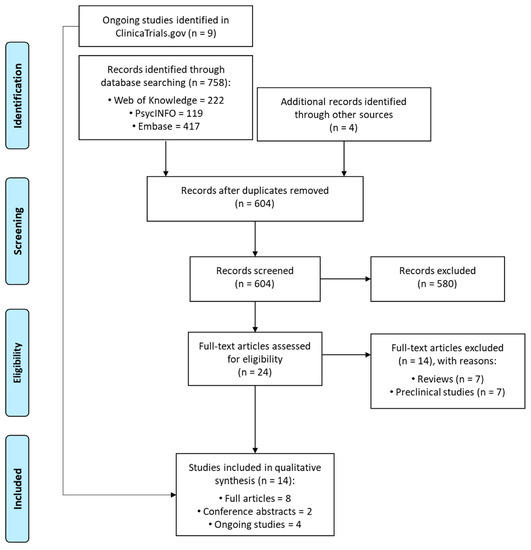
Among other biological hypotheses, researchers have evidenced an imbalance in the endocannabinoid (eCB) system, which regulates some functions typically impaired in ASD, such as emotional responses and social interaction. Additionally, cannabidiol (CBD), the non-intoxicating component of Cannabis sativa, was recently approved for treatment-resistant epilepsy.

Epilepsy represents a common medical condition in people with ASD. Additionally, the two conditions share some neuropathological mechanisms, particularly GABAergic dysfunctions. Hence, it was hypothesized that cannabinoids could be useful in improving ASD symptoms.

The findings were promising, as cannabinoids appeared to improve some ASD-associated symptoms, such as problem behaviors, sleep problems, and hyperactivity, with limited cardiac and metabolic side effects. Conversely, the knowledge of their effects on ASD core symptoms is scarce.

Interestingly, cannabinoids generally allowed to reduce the number of prescribed medications and decreased the frequency of seizures in patients with comorbid epilepsy. Mechanisms of action could be linked to the excitatory/inhibitory imbalance found in people with ASD. However, further trials with better characterization and homogenization of samples, and well-defined outcomes should be implemented.”

https://pubmed.ncbi.nlm.nih.gov/32825313/

https://www.mdpi.com/2076-3425/10/9/572

Cannabis, More Than the Euphoria: Its Therapeutic Use in Drug-Resistant Epilepsy

 See the source image“A significant number of epilepsy patients are refractory to conventional antiepileptic drugs. These patients experience considerable neurocognitive impairments that impact their quality of life and ability to function independently. This need for alternative treatment has generated increased interest in cannabis use as a therapeutic option in these patients.

This review seeks to analyze data presented on the pharmacology, safety, and efficacy of cannabis use in patients with drug-resistant epilepsy (DRE) and to propose any future recommendations regarding its use.

The two foremost phytocannabinoids of cannabis showing anticonvulsant properties are tetrahydrocannabinol (THC) and cannabidiol (CBD).

Due to the psychoactive properties of THC, most studies focused on CBD use in these patients. The use of CBD as an adjunct resulted in decreased seizure frequency, and secondary benefits observed included improvement in mood, alertness and sleep. Adverse events (AEs) reported were drowsiness, diarrhea, increased transaminases and worsening of seizures.

It can safely be concluded that there is a significant benefit in DRE patients using CBD as adjunctive therapy. However, further controlled and adequately powered studies are needed to assess the pharmacokinetics and impact of the long-term use of cannabis.”

https://pubmed.ncbi.nlm.nih.gov/32832296/

“The anticonvulsant properties of cannabis have been reported for several years; however, its use as adjunctive therapy in DRE has increased in recent years. Cannabis mediates the ECS, which affects neuronal excitability. This makes it a superior choice for the adjunctive treatment of DRE patients.”

https://www.cureus.com/articles/36299-cannabis-more-than-the-euphoria-its-therapeutic-use-in-drug-resistant-epilepsy

The Effects of Cannabidiol and Prognostic Role of TRPV2 in Human Endometrial Cancer

ijms-logo“Several studies support, both in vitro and in vivo, the anti-cancer effects of cannabidiol (CBD), a transient receptor potential vanilloid 2 (TRPV2) ligand. TRPV2, often dysregulated in tumors, is associated with altered cell proliferation and aggressiveness.

Endometrial cancer (EC) is historically divided in type I endometrioid EC and type II non-endometrioid EC, associated with poor prognosis. Treatment options with chemotherapy and combinations with radiation showed only limited efficacy. Since no data are reported concerning TRPV2 expression as well as CBD potential effects in EC, the aim of this study was to evaluate the expression of TRPV2 in biopsies and cell lines as well as the effects of CBD in in vitro models. Overall survival (OS), progression-free survival (PFS), cell viability, migration, and chemo-resistance have been evaluated.

Results show that TRPV2 expression increased with the malignancy of the cancer tissue and correlated with shorter PFS (p = 0.0224). Moreover, in vitro TRPV2 over-expression in Ishikawa cell line increased migratory ability and response to cisplatin. CBD reduced cell viability, activating predominantly apoptosis in type I cells and autophagy in mixed type EC cells. The CBD improved chemotherapeutic drugs cytotoxic effects, enhanced by TRPV2 over-expression. Hence, TRPV2 could be considered as a marker for optimizing the therapy and CBD might be a useful therapeutic option as adjuvant therapy.”

https://pubmed.ncbi.nlm.nih.gov/32751388/

https://www.mdpi.com/1422-0067/21/15/5409

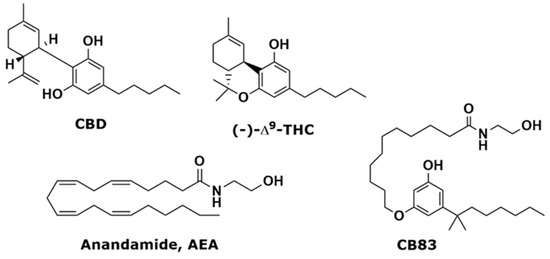
Cytotoxic Effects of Cannabinoids on Human HT-29 Colorectal Adenocarcinoma Cells: Different Mechanisms of THC, CBD, and CB83

ijms-logo “In this study, we investigated the effects of exposition to IC50 dose for 24 h of a new synthetic cannabinoid (CB83) and of phytocannabinoids Δ9-tetrahydrocannabinol (THC) and cannabidiol (CBD) on HT-29 colorectal carcinoma cells. Cell viability and proliferative activity evaluated using the MTT, lactate dehydrogenase (LDH), and CyQUANT assays showed that cell viability was significantly affected when CB83, THC, and CBD were administered to cells.

The results obtained showed that the reduced glutathione/oxidized glutathione ratio was significantly reduced in the cells exposed to CBD and significantly increased in the cells treated with the CB83 when compared to the controls. CBD treatment causes a significant increase in malondialdehyde content. The catalase activity was significantly reduced in HT-29 cells after incubation with CB83, THC, and CBD. The activities of glutathione reductase and glutathione peroxidase were significantly increased in cells exposed to THC and significantly decreased in those treated with CBD. The ascorbic acid content was significantly reduced in cells exposed to CB83, THC, and CBD. The ultrastructural investigation by TEM highlighted a significantly increased percentage of cells apoptotic and necrotic after CB83 exposition. The Annexin V-Propidium Iodide assay showed a significantly increased percentage of cells apoptotic after CB83 exposition and necrotic cells after CBD and THC exposition.

Our results proved that only CBD induced oxidative stress in HT-29 colorectal carcinoma cells via CB receptor-independent mechanisms and that CB83 caused a mainly CB2 receptor-mediated antiproliferative effect comparable to 5-Fuorouracil, which is still the mainstay drug in protocols for colorectal cancer.”

https://pubmed.ncbi.nlm.nih.gov/32752303/

https://www.mdpi.com/1422-0067/21/15/5533

Cannabidiol normalizes resting-state functional connectivity in treatment-resistant epilepsy

See the source image“Resting-state (rs) network dysfunction is a contributing factor to treatment resistance in epilepsy. In treatment-resistant epilepsy (TRE), pharmacological and nonpharmacological therapies have been shown to improve such dysfunction.

In this study, our goal was to prospectively evaluate the effect of highly purified plant-derived cannabidiol (CBD; Epidiolex®) on rs functional magnetic resonance imaging (fMRI) functional connectivity (rs-FC).

We hypothesized that CBD would change and potentially normalize the rs-FC in TRE.

Results: Participants with TRE showed average decrease of 71.7% in SF (p < 0.0001) and improved CSSS, AEP, and POMS confusion, depression, and fatigue subscores (all p < 0.05) on-CBD with POMS scores becoming similar to those of HCs. Paired t-tests showed significant pre-/on-CBD changes in rs-FC in cerebellum, frontal areas, temporal areas, hippocampus, and amygdala with some of them correlating with improvement in behavioral measures. Significant differences in rs-FC between pre-CBD and HCs were found in cerebellum, frontal, and occipital regions. After controlling for changes in SF with CBD, these differences were no longer present when comparing on-CBD to HCs.

Significance: This study indicates that highly purified CBD modulates and potentially normalizes rs-FC in the epileptic brain. This effect may underlie its efficacy. This study provides Class III evidence for CBD’s normalizing effect on rs-FC in TRE.”

https://pubmed.ncbi.nlm.nih.gov/32745959/

https://www.epilepsybehavior.com/article/S1525-5050(20)30476-5/fulltext