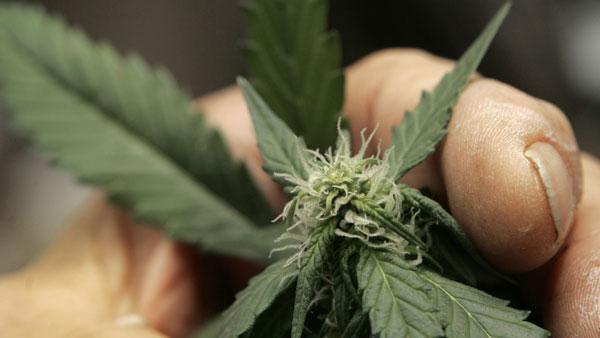
Cannabis by product helps reduce effects of Parkinson disease medication

“Researchers from Brazil’s prestigious University of Sao Paulo have discovered that marihuana contains substances which can help ease the collateral effects of medicines prescribed to patients suffering from Parkinson disease.”
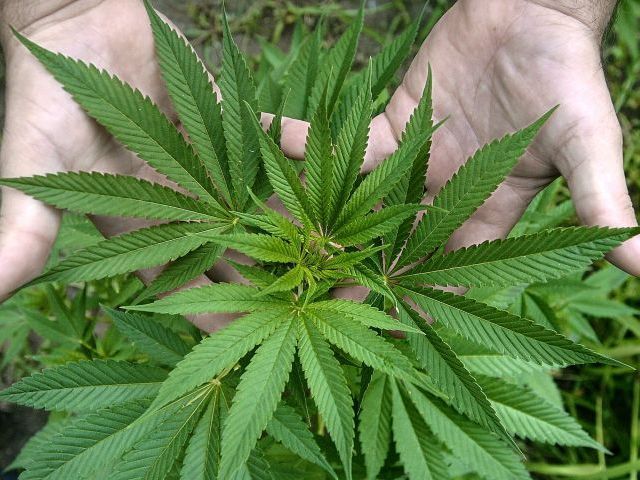
Brazilian researchers have tested the positive effects of canabiodiol 

“Six patients with Parkinson were given during a whole month small doses of “canabiodiol” one of the 400 substances in marihuana, following which encouraging results were confirmed according to scientists from the Riberao Preto Medicine School from the SP University.

“Patients with Parkinson developed improvements in their sleeping alterations, in their psychotic symptoms and could even reduce their trembling” said psychiatrist Jose Alexander Crippa, Neuro-sciences Department professor.

The paper on the discovery was published last November and next year an additional paper with test results on the anxiolytic effects of “canabiodiol” in patients with obsession and compulsion disorders will be released.

A group of voluntary patients with obsessive and compulsive conducts were medicated with the substance 70 minutes before facing situations that forced them into anxiety fits, and “improvements were evident”.”
http://en.mercopress.com/2009/12/30/cannabis-by-product-helps-reduce-effects-of-parkinson-disease-medication

New Study: Cannabinoids Protect the Brain and Heart From Injury

“Cannabis is in the news again for its purported medicinal benefits, with researchers in Israel last week indicating it may help prevent trauma to the brain in certain circumstances and may also help with cardiac problems. A few months ago an English pharmaceutical company that manufactures cannabinoids announced it was developing a new treatment for epilepsy using them.”

Los Angeles City Council Votes To Ban Medical Marijuana Dispensaries

“Prof. Yosef Sarne in the Adelson Center for the Biology of Addictive Diseases in the Department of Physiology and Pharmacology at Tel Aviv University says that cannabis has neuro-protective qualities. He has found that extremely low doses of tetrahydrocannabinol or THC- the psychoactive component of marijuana- can protect the brain from long-term cognitive damage in the wake of injury from hypoxia (lack of oxygen), seizures, or toxic drugs.”

More: http://jewishbusinessnews.com/2013/06/09/new-study-cannabinoids-protect-the-brain-and-heart-from-injury/

GW Pharmaceuticals: Giving New Meaning To ‘High Potential’

“GW Pharmaceuticals (GWPH) is an UK-based biopharmaceutical company focused on the discovery and development of cannabinoid-based products for a wide range of indications. GW has established a technology platform based on genetically modified cannabis plants and has become a leader in plant-derived cannabinoid therapeutics.

 GW’s lead program is Sativex, a cannabis extract based oromucosal spray whose main actives are the cannabinoids delta-9- tetrahydrocannabinol (THC), and cannabidiol (CBD). It is approved for the treatment of multiple sclerosis (MS) spasticity in 21 countries outside of the U.S and already marketed in seven countries (eight following Italian launch in Q213).

…While MS spasticity has provided proof-of-concept in the worldwide approvability of Sativex, a more meaningful commercial opportunity is in the treatment of opioid-refractory cancer pain. Sativex has been tested in two Phase II trials in cancer pain. The trials have demonstrated that Sativex is safe and effective when used in addition to opioids in patients whose cancer pain is not sufficiently managed by opioids alone. Based on these results, GW has initiated three Phase III trials. The first two are expected to complete during 2014 and support an FDA filing.”

More: http://seekingalpha.com/article/1490392-gw-pharmaceuticals-giving-new-meaning-to-high-potential

Marijuana Spray Proves Effective as Cancer Pain Treatment

“A mouth spray containing cannabinoids is effective in reducing pain in cancer patients who are still in pain despite using opioid medicines, according to a new study published in The Journal of Pain.”

 
“The oral mucosal spray known as nabixmols, which is marketed under the trade name Sativex, contains a formulation of cannabinoids, marijuana’s most active ingredients.”
 

More: http://americannewsreport.com/nationalpainreport/marijuana-spray-proves-effective-as-cancer-pain-treatment-8814518.html

Marijuana Derivative May Offer Hope in Cocaine Addiction – TIME

“A new study in mice has found that activating a receptor affected by marijuana can dramatically reduce cocaine consumption. The research suggests that new anti-addiction drugs might be developed using synthetic versions of cannabidiol (CBD), the marijuana component that activates the receptor—or even by using the purified natural compound itself.

Researchers formerly believed that the receptor, known as CB2, was not found in the brain and that therefore CBD had no psychoactive effects. But a growing body of research suggests otherwise. After THC, CBD is the second most prevalent active compound in marijuana.”

More: http://healthland.time.com/2011/07/26/marijuana-derivative-may-offer-hope-in-cocaine-addiction/

Could Marijuana Treat Schizophrenia?

“Researchers find cannabidiol is as effective as standard antipsychotic drugs—with fewer side effects.”

A compound found in marijuana can help treat schizophrenia as effectively as standard antipsychotic drugs—and with fewer side effects—according to the results of a new clinical trial, reports The Fix columnist Maia Szalavitz in Time. Researchers at University of Cologne in Germany studied 39 people with schizophrenia, all hospitalized for a psychotic episode. Twenty of the patients were given cannabidiol (CBD), a substance found in marijuana that is associated with its mellowing, anti-anxiety effects (not THC—the main ingredient in marijuana, which has been found to worsen schizophrenia). The other participants were given amisulpride, an antipsychotic medication. At the end of the four-week trial, both groups showed significant clinical improvement in their schizophrenic symptoms. “The results were amazing,” says Daniele Piomelli, professor of pharmacology at the University of California-Irvine and a co-author of the study. “Not only was [CBD] as effective as standard antipsychotics, but it was also essentially free of the typical side effects seen with antipsychotic drugs.” Antipsychotic medications can cause serious, sometimes permanent movement disorders and other side effects such as weight gain and movement problems. In the study, these side effects were observed in those taking amisulpride, but not in those taking CBD. “These exciting findings should stimulate a great deal of research,” says Dr. John Krystal, chair of psychiatry at Yale University School of Medicine, who was not associated with the study. He noted that CBD, in addition to having fewer side effects, also seemed to work better on schizophrenia’s negative symptoms, which are notoriously difficult to treat, including: social withdrawal, blunting of pleasure, and lack of motivation.”

http://www.thefix.com/content/pot-compound-treats-schizophrenia-few-side-effects91717

Marijuana blood sugar study shows potential health benefits for users

“A study shows a positive link between marijuana and blood sugar control in diabetes patients. A study by the National Health and Nutrition Surveyfound that marijuana use is linked to smaller waists, better blood sugar control and insulin resistance.”
 
File/UPI /Jim Bryant
 

“Researchers based in Boston compared five years’ worth of data from 579 marijuana users and thousands of non-users, LA Weekly reported.

The results come from a comparison of insulin and glucose levels in both groups. Participants that had used pot in the last month had much lower levels of fasting insulin and higher levels of so-called “good” cholesterol HDL-C — which may mean big news for diabetics.

Researchers hypothesize that marijuana could be used to control and manage diabetics’ blood sugar levels.”

More: http://www.upi.com/blog/2013/05/23/Marijuana-blood-sugar-study-shows-potential-health-benefits-for-users/8731369343626/

Marijuana Blood Sugar: A New Study Shows That Pot Smoking May Reduce Weight and Diabetes Risk

“A new study has shown there may be a link between marijuana and diabetes prevention.”
 
joint
 

“A new study has found that people who had used marijuana in the past month had smaller waists and lower levels of insulin resistance, which is a diabetes precursor, than those who had never tried the drug, according to Reuters.

“These are preliminary findings,” Dr. Murray Mittleman, who worked on the study at Beth Israel Deaconess Medical Center in Boston, told Reuters. “It looks like there may be some favorable effects on blood sugar control.”

More: http://www.travelerstoday.com/articles/6386/20130524/marijuana-blood-sugar-new-study-shows-pot-smoking-reduce-weight.htm

Marijuana, blood sugar control linked, study says – ABC

“Regular marijuana use is associated with favorable indices related to diabetic control, say investigators. They found that current marijuana users had significantly lower fasting insulin and were less likely to be insulin resistant, even after excluding patients with a diagnosis of diabetes mellitus. Their findings are reported in the current issue of The American Journal of Medicine.”

File photo. (AP)
 
“Marijuana has been used for centuries to relieve pain, improve mood and increase appetite. Outlawed in the United States in 1937, its social use continues to increase and public opinion is swinging in favor of the medicinal use of marijuana…”
 

More: http://abclocal.go.com/wabc/story?section=news/health&id=9114798

Cannabidiol (CBD): Fighting Inflammation & Aggressive Forms of Cancer

“Marijuana contains at least 60 known chemicals called cannabinoids, which activate cannabinoid receptors in your body. Tetrahydrocannabinol, or THC, is the main component responsible for the psychoactive effects, or “high,” marijuana is known for. While THC is known to have some medicinal value, there has been recent investigation into a new cannabinoid that is rumored to have more medicinal benefits than any single pharmaceutical drug on the market.”

“What is Cannabidiol (CBD)?

This cannabinoid is known as Cannabidiol (CBD), and is the second most abundant cannabinoid in cannabis. Research done by G.W. Pharmaceuticals suggests that CBD could be used for treating symptoms of rheumatoid arthritis and other autoimmune diseases, diabetes, nausea, bowel disorders, and many other hard-to-control side effects. According to an article from Projectcbd.com, CBD has even demonstrated neuroprotective effects, and its anti-cancer potential is currently being explored.

While it was originally believed that THC is a breakdown product of CBD, it is now known that both THC and CBD are actually metabolites of their decarboxylated acidic forms, THCa and CBDa. These acidic precursors are decarboxylated (essentially dried) by heat or extraction to produce THC and CBD; only then do they become psychoactive. The compound has medicinal benefits without the “high” that some patients do not desire. This makes CBD appealing to patients who are looking for an alternative to their current meds, which often have opiate-like effects.”

More: http://www.medicaljane.com/2012/12/20/cannabidiol-cbd-medicine-of-the-future/