
 “In the last few years research into Cannabis and its constituent phytocannabinoids has burgeoned, particularly in the potential application of novel cannabis phytochemicals for the treatment of diverse illnesses related to neurodegeneration and dementia, including Alzheimer’s (AD), Parkinson’s (PD) and Huntington’s disease (HD). To date, these neurological diseases have mostly relied on symptomatological management. However, with an aging population globally, the search for more efficient and disease-modifying treatments that could delay or mitigate disease progression is imperative. In this context, this review aims to present a state of art in the research with cannabinoids and novel cannabinoid-based drug candidates that have been emerged as novel promising alternatives for drug development and innovation in the therapeutics of a number of diseases, especially those related to CNS-disturbance and impairment.”
Tag Archives: phytocannabinoids
Naturally Occurring Cannabinoids and their Role in Modulation of Cardiovascular Health
 “In recent years, the role of the endocannabinoid system (ECS) in various cardiovascular conditions has been a subject of great interest. The ECS is composed of cannabinoid receptors, their endogenous ligands, also known as endocannabinoids, and enzymes responsible for the synthesis and degradation of endocannabinoids.
Several lines of evidence suggest that the ECS plays a complex role in cardiac and vascular systems; however, under normal physiological conditions the functions of the ECS are limited. Overactivation of components of the ECS has been associated with various cardiovascular conditions.
Intriguingly, activation of the ECS may also reflect a cardioprotective compensatory mechanism. With this knowledge, a range of naturally occurring and synthetic cannabinoid receptor agonists and antagonists, as well as inhibitors of endocannabinoid metabolic enzymes have emerged as promising approaches for the treatment or management of cardiovascular health.
This review will first focus on the known role of the ECS in regulating the cardiovascular system. Secondly, we discuss emerging data highlighting the therapeutic potential of naturally occurring non-psychoactive ECS modulators within the cardiovascular system, including phytocannabinoids, terpenes, and the endocannabinoid-like molecule palmitoylethanolamide.”
https://pubmed.ncbi.nlm.nih.gov/32677481/
“Several approaches discussed here, including administration of eCB-related molecules such as PEA, or supplementing with various phytocannabinoids can be promising candidates for the management of cardiovascular risk factors and CVD.”
https://www.tandfonline.com/doi/full/10.1080/19390211.2020.1790708
The endocannabinoid system
 “Thirty years ago, the discovery of a cannabinoid (CB) receptor that interacts with the psychoactive compound in Cannabis led to the identification of anandamide, an endogenous receptor ligand or endocannabinoid. Research on endocannabinoids has since exploded, and additional receptors along with their lipid mediators and signaling pathways continue to be revealed. Specifically, in humans, the release of endocannabinoids from membrane lipids occurs on demand and the signaling process is rapidly attenuated by the breakdown of the ligand suggesting a tight regulation of the endocannabinoid system (ECS). Additionally, the varying distribution of CB receptors between the central nervous system and other tissues allows for the ECS to participate in a wide range of cognitive and physiological processes. Select plant-derived ‘phyto’cannabinoids such as Δ-9-tetrahydrocannabinol (Δ9-THC) bind to the CB receptors and trigger the ECS, and in the case of Δ9-THC, while it has therapeutic value, can also produce detrimental effects. Current research is aimed at the identification of additional phytocannabinoids with minimal psychotropic effects with potential for therapeutic development. Although decades of research on the ECS and its components have expanded our understanding of the mechanisms and implications of endocannabinoid signaling in mammals, it continues to evolve. Here, we provide a brief overview of the ECS and its overlap with other related lipid-mediated signaling pathways.”
https://pubmed.ncbi.nlm.nih.gov/32648908/
“Therapeutic intervention in the dysregulation of the ECS will no doubt involve new phytocannabinoids and various synthetic CBs with which to control an increasing list of ECS- related pathologies.”

Long Term Delta-9-tetrahydrocannabinol Administration Inhibits Proinflammatory Responses in Minor Salivary Glands of Chronically Simian Immunodeficieny Virus Infected Rhesus Macaques
 “HIV/SIV-associated oral mucosal disease/dysfunction (HAOMD) (gingivitis/periodontitis/salivary adenitis) represents a major comorbidity affecting HIV patients on anti-retroviral therapy.
Using a systems biology approach, we investigated molecular changes (mRNA/microRNA) underlying HAOMD and its modulation by phytocannabinoids (delta-9-tetrahydrocannabinol (∆9-THC)) in uninfected (n = 5) and SIV-infected rhesus macaques untreated (VEH-untreated/SIV; n = 7) or treated with vehicle (VEH/SIV; n = 3) or ∆9-THC (THC/SIV; n = 3).
Relative to controls, fewer mRNAs were upregulated in THC/SIV compared to VEH-untreated/SIV macaques. Gene enrichment analysis showed differential enrichment of biological functions involved in anti-viral defense, Type-I interferon, Toll-like receptor, RIG-1 and IL1R signaling in VEH-untreated/SIV macaques. We focused on the anti-ER-stress anterior gradient-2 (AGR2), epithelial barrier protecting and anti-dysbiotic WAP Four-Disulfide Core Domain-2 (WFDC2) and glucocorticoid-induced anti-inflammatory TSC22D3 (TSC22-domain family member-3) that were significantly downregulated in oropharyngeal mucosa (OPM) of VEH-untreated/SIV macaques.
All three proteins localized to minor salivary gland acini and secretory ducts and showed enhanced and reduced expression in OPM of THC/SIV and VEH/SIV macaques, respectively. Additionally, inflammation associated miR-21, miR-142-3p and miR-29b showed significantly higher expression in OPM of VEH-untreated/SIV macaques. TSC22D3 was validated as a target of miR-29b.
These preliminary translational findings suggest that phytocannabinoids may safely and effectively reduce oral inflammatory responses in HIV/SIV and other (autoimmune) diseases.”
Phytocannabinoids: Origins and Biosynthesis
 “Phytocannabinoids are bioactive natural products found in some flowering plants, liverworts, and fungi that can be beneficial for the treatment of human ailments such as pain, anxiety, and cachexia. Targeted biosynthesis of cannabinoids with desirable properties requires identification of the underlying genes and their expression in a suitable heterologous host. We provide an overview of the structural classification of phytocannabinoids based on their decorated resorcinol core and the bioactivities of naturally occurring cannabinoids, and we review current knowledge of phytocannabinoid biosynthesis in Cannabis, Rhododendron, and Radula species. We also highlight the potential in planta roles of phytocannabinoids and the opportunity for synthetic biology approaches based on combinatorial biochemistry and protein engineering to produce cannabinoid derivatives with improved properties.”
https://pubmed.ncbi.nlm.nih.gov/32646718/
https://linkinghub.elsevier.com/retrieve/pii/S1360138520301874
Cannabinoids and Cannabinoid Receptors: The Story So Far
 “Like most modern molecular biology and natural product chemistry, understanding cannabinoid pharmacology centers around molecular interactions, in this case, between the cannabinoids and their putative targets, the G-protein coupled receptors (GPCRs) cannabinoid receptor 1 (CB1) and cannabinoid receptor 2 (CB2). Understanding the complex structure and interplay between the partners in this molecular dance is required to understand the mechanism of action of synthetic, endogenous, and phytochemical cannabinoids. This review, with 91 references, surveys our understanding of the structural biology of the cannabinoids and their target receptors including both a critical comparison of the extant crystal structures and the computationally derived homology models, as well as an in-depth discussion about the binding modes of the major cannabinoids. The aim is to assist in situating structural biochemists, synthetic chemists, and molecular biologists who are new to the field of cannabis research.”
A Systematic Review of Minor Phytocannabinoids With Promising Neuroprotective Potential
 “Embase and Pubmed were systematically searched for articles addressing the neuroprotective properties of phytocannabinoids, aside from cannabidiol and Δ9 -tetrahydrocannabinol, including Δ9 -tetrahydrocannabinolic acid (Δ9 -THCA), Δ9 -tetrahydrocannabivarin (Δ9 -THCV), cannabidiolic acid (CBDA), cannabidivarin (CBDV), cannabichromene (CBC), cannabichromenic acid (CBCA), cannabichromevarin (CBCV), cannabigerol (CBG), cannabigerolic acid (CBGA), cannabigerivarin (CBGV), cannabigerovarinic acid (CBGVA), cannabichromevarinic acid (CBCVA) cannabidivarinic acid (CBDVA) and cannabinol (CBN).
CBG (range 5 mg.kg-1 to 20 mg.kg-1 ) and CBDV (range 0.2 mg.kg-1 to 400 mg.kg-1 ) displayed efficacy in models of Huntington’s disease and epilepsy.
CBC (10-75 mg.kg-1 ), Δ9 -THCA (20 mg.kg-1 ) and Δ9 -THCV (range 0.025-2.5 mg.kg-1 ) showed promise in models of seizure and hypomobility, Huntington’s and Parkinson’s disease.
Limited mechanistic data showed CBG, VCE.003, VCE.003.2 and Δ9 -THCA mediated some of their effects through PPARy, but no other receptors were probed. Further studies with these phytocannabinoids, and their combinations, are warranted across a range of neurodegenerative disorders.”
https://pubmed.ncbi.nlm.nih.gov/32608035/
https://bpspubs.onlinelibrary.wiley.com/doi/abs/10.1111/bph.15185
Interactions Between Cannabidiol and Δ 9 -Tetrahydrocannabinol in Modulating Seizure Susceptibility and Survival in a Mousae Model of Dravet Syndrome
“Extracts from the cannabis plant can dramatically improve the health of children suffering from refractory epilepsies such as Dravet syndrome.
These extracts typically contain cannabidiol (CBD), a phytocannabinoid with well-documented anticonvulsant effects, but may also contain Δ9 -tetrahydrocannabinol (Δ9 -THC). It is unclear whether the presence of Δ9 -THC modulates the anticonvulsant efficacy of CBD. Here we utilized the Scn1a+/- mouse model of Dravet syndrome to examine this question.
Key results: Administered alone, CBD (100 mg/kg i.p.) was anticonvulsant against hyperthermia-induced seizures as were low (0.1 and 0.3 mg/kg i.p.) but not higher doses of Δ9 -THC. A subthreshold dose of CBD (12 mg/kg) enhanced the anticonvulsant effects Δ9 -THC (0.1 mg/kg). Subchronic oral administration of Δ9 -THC or CBD alone did not affect spontaneous seizure frequency or mortality while, surprisingly, their co-administration increased the severity of spontaneous seizures and overall mortality.
Conclusion and implications: Low doses of Δ9 -THC are anticonvulsant against hyperthermia-induced seizures in Scn1a+/ mice, effects that are enhanced by a sub-anticonvulsant dose of CBD. However, proconvulsant effects and increased premature mortality are observed when CBD and Δ9 -THC are subchronically dosed in combination. The possible explanations and implications of this are discussed.”
https://pubmed.ncbi.nlm.nih.gov/32608111/
https://bpspubs.onlinelibrary.wiley.com/doi/abs/10.1111/bph.15181
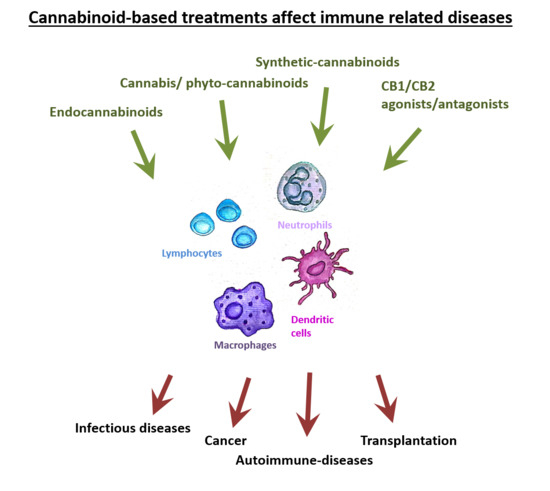
Cannabis, the Endocannabinoid System and Immunity-the Journey From the Bedside to the Bench and Back
 “The Cannabis plant contains numerous components, including cannabinoids and other active molecules. The phyto-cannabinoid activity is mediated by the endocannabinoid system. Cannabinoids affect the nervous system and play significant roles in the regulation of the immune system.
While Cannabis is not yet registered as a drug, the potential of cannabinoid-based medicines for the treatment of various conditions has led many countries to authorize their clinical use. However, the data from basic and medical research dedicated to medical Cannabis is currently limited.
A variety of pathological conditions involve dysregulation of the immune system. For example, in cancer, immune surveillance and cancer immuno-editing result in immune tolerance. On the other hand, in autoimmune diseases increased immune activity causes tissue damage.
Immuno-modulating therapies can regulate the immune system and therefore the immune-regulatory properties of cannabinoids, suggest their use in the therapy of immune related disorders.
In this contemporary review, we discuss the roles of the endocannabinoid system in immunity and explore the emerging data about the effects of cannabinoids on the immune response in different pathologies. In addition, we discuss the complexities of using cannabinoid-based treatments in each of these conditions.”
https://pubmed.ncbi.nlm.nih.gov/32585801/
https://www.mdpi.com/1422-0067/21/12/4448
Antiemetic Effects of Cannabinoid Agonists in Nonhuman Primates
 “Attenuating emesis elicited by both disease and medical treatments of disease remains a critical public health challenge.
Although cannabinergic medications have been used in certain treatment-resistant populations, FDA-approved cannabinoid antiemetics are associated with undesirable side effects, including cognitive disruption, that limit their prescription. Previous studies have shown that a metabolically stable analog of the endocannabinoid anandamide, methanandamide (mAEA), may produce lesser cognitive disruption than that associated with the primary psychoactive constituent in cannabis, Δ9-tetrahydrocannabinol (Δ9-THC), raising the possibility that endocannabinoids may offer a therapeutic advantage over currently used medications.
The present studies were conducted to evaluate this possibility by comparing the antiemetic effects of Δ9-THC (0.032-0.1 mg/kg) and mAEA (3.2-10.0 mg/kg), against nicotine- and lithium chloride (LiCl)-induced emesis and prodromal hypersalivation in squirrel monkeys.
These studies systematically demonstrate for the first time the antiemetic effects of cannabinoid agonists in nonhuman primates. Importantly, although Δ9-THC produced superior antiemetic effects, the milder cognitive effects of mAEA demonstrated in previous studies suggests that it may provide a favorable treatment option under clinical circumstances in which antiemetic efficacy must be balanced against side-effect liability.
SIGNIFICANCE STATEMENT: Emesis has significant evolutionary value as a defense mechanism against ingested toxins; however, it is also one of the most common adverse symptoms associated with both disease and medical treatments of disease. The development of improved anti-emetic pharmacotherapies has been impeded by a paucity of animal models.
The present studies systematically demonstrate for the first time the antiemetic effects of the phytocannabinoid Δ9-tetrahydrocannabinol and endocannabinoid-analog methanandamide in nonhuman primates.”
https://pubmed.ncbi.nlm.nih.gov/32561684/
http://jpet.aspetjournals.org/content/early/2020/06/19/jpet.120.265710