Cannabidiol protects keratinocyte cell membranes following exposure to UVB and hydrogen peroxide

 Redox Biology“Keratinocytes, the major cell type of the epidermis, are particularly sensitive to environmental factors including exposure to sunlight and chemical agents. Since oxidative stress may arise as a result of these factors, compounds are actively sought that can act as protective agents.

Recently, cannabidiol (CBD), a phytocannabinoid found in Cannabis Sativa L., has gained increased interest due to its anti-inflammatory and antioxidant properties, and absence of psychoactive effects.

This prompted us to analyze the protective effects of CBD on keratinocytes exposed to UVB irradiation and hydrogen peroxide.

Together, these findings suggest that CBD could be a potential protective agent for keratinocytes against the harmful effects of irradiation and chemical environmental factors that cause oxidative stress.”

https://pubmed.ncbi.nlm.nih.gov/32863232/

“CBD could be a potential keratinocytes protector against the harmful factors.”

https://www.sciencedirect.com/science/article/pii/S2213231720308181?via%3Dihub

Chronic Cannabidiol Administration Attenuates Skeletal Muscle De Novo Ceramide Synthesis Pathway and Related Metabolic Effects in a Rat Model of High-Fat Diet-Induced Obesity

biomolecules-logo“Numerous studies showed that sustained obesity results in accumulation of bioactive lipid derivatives in several tissues, including skeletal muscle, which further contributes to the development of metabolic disturbances and insulin resistance (IR).

The latest data indicate that a potential factor regulating lipid and glucose metabolism is a phytocannabinoid-cannabidiol (CBD), a component of medical marijuana (Cannabis). Therefore, we aimed to investigate whether chronic CBD administration influences bioactive lipid content (e.g., ceramide (CER)), as well as glucose metabolism, in the red skeletal muscle (musculus gastrocnemius) with predominant oxidative metabolism.

All experiments were conducted on an animal model of obesity, i.e., Wistar rats fed a high-fat diet (HFD) or standard rodent chow, and subsequently injected with CBD in a dose of 10 mg/kg or its solvent for two weeks. The sphingolipid content was assessed using high-performance liquid chromatography (HPLC), while, in order to determine insulin and glucose concentrations, immunoenzymatic and colorimetric methods were used. The protein expression from sphingolipid and insulin signaling pathways, as well as endocannabinoidome components, was evaluated by immunoblotting.

Unexpectedly, our experimental model revealed that the significantly intensified intramuscular de novo CER synthesis pathway in the HFD group was attenuated by chronic CBD treatment. Additionally, due to CBD administration, the content of other sphingolipid derivatives, i.e., sphingosine-1-phosphate (S1P) was restored in the high-fat feeding state, which coincided with an improvement in skeletal muscle insulin signal transduction and glycogen recovery.”

https://pubmed.ncbi.nlm.nih.gov/32859125/

https://www.mdpi.com/2218-273X/10/9/1241

Hemp in Veterinary Medicine: From Feed to Drug

 See the source image“Hemp (Cannabis sativa) is an angiosperm plant belonging to the Cannabaceae family. Its cultivation dates back to centuries. It has always been cultivated due to the possibility of exploiting almost all the parts of the plant: paper, fabrics, ropes, bio-compounds with excellent insulating capacity, fuel, biodegradable plastic, antibacterial detergents, and food products, such as flour, oils, seeds, herbal teas, and beer, are indeed obtained from hemp.

Hemp flowers have also always been used for their curative effects, as well as for recreational purposes due to their psychotropic effects. Cannabis contains almost 500 chemical compounds, such as phytocannabinoids, terpenes, flavonoids, amino acids, fatty acids, vitamins, and macro-, and micro-elements, among others.

When utilized as a food source, hemp shows excellent nutritional and health-promoting (nutraceutical) properties, mainly due to the high content in polyunsaturated fatty acids (especially those belonging to the ω-3 series), as well as in phenolic compounds, which seem effective in the prevention of common diseases such as gastrointestinal disorders, neurodegenerative diseases, cancer, and others.

Moreover, hemp oil and other oils (i.e., olive oil and medium-chain triglyceride-MCT-oil) enriched in CBD, as well as extracts from hemp dried flowers (Cannabis extracts), are authorized in some countries for therapeutic purposes as a second-choice approach (when conventional therapies have failed) for a certain number of clinical conditions such as pain and inflammation, epilepsy, anxiety disorders, nausea, emesis, and anorexia, among others.

The present review will synthetize the beneficial properties of hemp and hemp derivatives in animal nutrition and therapeutics.”

https://pubmed.ncbi.nlm.nih.gov/32850997/

“C. sativa has been an important source of food in the Old World, as hempseeds and seed meal are excellent sources of dietary oil, fiber, and protein. Many of the constituents of C. sativa can be classified as either nutrients, nutraceuticals, or pharmaceutical ingredients.”

https://www.frontiersin.org/articles/10.3389/fvets.2020.00387/full

Receptors and Channels Possibly Mediating the Effects of Phytocannabinoids on Seizures and Epilepsy

pharmaceuticals-logo“Epilepsy contributes to approximately 1% of the global disease burden. By affecting especially young children as well as older persons of all social and racial variety, epilepsy is a present disorder worldwide. Currently, only 65% of epileptic patients can be successfully treated with antiepileptic drugs. For this reason, alternative medicine receives more attention.

Cannabis has been cultivated for over 6000 years to treat pain and insomnia and used since the 19th century to suppress epileptic seizures.

The two best described phytocannabinoids, (-)-trans-Δ9-tetrahydrocannabinol (THC) and cannabidiol (CBD) are claimed to have positive effects on different neurological as well as neurodegenerative diseases, including epilepsy.

There are different cannabinoids which act through different types of receptors and channels, including the cannabinoid receptor 1 and 2 (CB1, CB2), G protein-coupled receptor 55 (GPR55) and 18 (GPR18), opioid receptor µ and δ, transient receptor potential vanilloid type 1 (TRPV1) and 2 (TRPV2), type A γ-aminobutyric acid receptor (GABAAR) and voltage-gated sodium channels (VGSC).

The mechanisms and importance of the interaction between phytocannabinoids and their different sites of action regarding epileptic seizures and their clinical value are described in this review.”

https://pubmed.ncbi.nlm.nih.gov/32751761/

https://www.mdpi.com/1424-8247/13/8/174

Cannabidiol inhibits febrile seizure by modulating AMPA receptor kinetics through its interaction with the N-terminal domain of GluA1/GluA2

Pharmacological Research “Cannabidiol (CBD) is a major phytocannabinoid in Cannabis sativa. CBD is being increasingly reported as a clinical treatment for neurological diseases.

Febrile seizure is one of the most common diseases in children with limited therapeutic options. We investigated possible therapeutic effects of CBD on febrile seizures and the underlying mechanism.

Use of a hyperthermia-induced seizures model revealed that CBD significantly prolonged seizure latency and reduced the severity of thermally-induced seizures. Hippocampal neuronal excitability was significantly decreased by CBD. Further, CBD significantly reduced the α-amino-3-hydroxy-5-methyl-4-isoxazolepropionic acid receptor (AMPAR) mediated evoked excitatory postsynaptic currents (eEPSCs) and the amplitude and frequency of miniature EPSCs (mEPSCs).

Furthermore, CBD significantly accelerated deactivation in GluA1 and GluA2 subunits. Interestingly, CBD slowed receptor recovery from desensitization of GluA1, but not GluA2. These effects on kinetics were even more prominent when AMPAR was co-expressed with γ-8, the high expression isoform 8 of transmembrane AMPAR regulated protein (TARPγ8) in the hippocampus. The inhibitory effects of CBD on AMPAR depended on its interaction with the distal N-terminal domain of GluA1/GluA2.

CBD inhibited AMPAR activity and reduced hippocampal neuronal excitability, thereby improving the symptoms of febrile seizure in mice. The putative binding site of CBD in the N-terminal domain of GluA1/GluA2 may be a drug target for allosteric gating modulation of AMPAR.”

https://pubmed.ncbi.nlm.nih.gov/32805354/

“Cannabidiol (CBD) significantly prolonged seizure latency and reduced seizure severity.”

https://www.sciencedirect.com/science/article/abs/pii/S1043661820314365?via%3Dihub

Targeting Cannabinoid Receptors: Current Status and Prospects of Natural Products

ijms-logo “Cannabinoid receptors (CB1 and CB2), as part of the endocannabinoid system, play a critical role in numerous human physiological and pathological conditions. Thus, considerable efforts have been made to develop ligands for CB1 and CB2, resulting in hundreds of phyto- and synthetic cannabinoids which have shown varying affinities relevant for the treatment of various diseases. However, only a few of these ligands are clinically used.

Recently, more detailed structural information for cannabinoid receptors was revealed thanks to the powerfulness of cryo-electron microscopy, which now can accelerate structure-based drug discovery. At the same time, novel peptide-type cannabinoids from animal sources have arrived at the scene, with their potential in vivo therapeutic effects in relation to cannabinoid receptors.

From a natural products perspective, it is expected that more novel cannabinoids will be discovered and forecasted as promising drug leads from diverse natural sources and species, such as animal venoms which constitute a true pharmacopeia of toxins modulating diverse targets, including voltage- and ligand-gated ion channels, G protein-coupled receptors such as CB1 and CB2, with astonishing affinity and selectivity. Therefore, it is believed that discovering novel cannabinoids starting from studying the biodiversity of the species living on planet earth is an uncharted territory.”

https://pubmed.ncbi.nlm.nih.gov/32709050/

https://www.mdpi.com/1422-0067/21/14/5064

Rapid Antibacterial Activity of Cannabichromenic Acid against Methicillin-Resistant Staphylococcus aureus

antibiotics-logo “Methicillin-resistant Staphylococcus aureus (MRSA) has proven to be an imminent threat to public health, intensifying the need for novel therapeutics.

Previous evidence suggests that cannabinoids harbour potent antibacterial activity.

In this study, a group of previously inaccessible phytocannabinoids and synthetic analogues were examined for potential antibacterial activity.

The minimum inhibitory concentrations and dynamics of bacterial inhibition, determined through resazurin reduction and time-kill assays, revealed the potent antibacterial activity of the phytocannabinoids against gram-positive antibiotic-resistant bacterial species, including MRSA.

One phytocannabinoid, cannabichromenic acid (CBCA), demonstrated faster and more potent bactericidal activity than vancomycin, the currently recommended antibiotic for the treatment of MRSA infections. Such bactericidal activity was sustained against low-and high-dose inoculums as well as exponential- and stationary-phase MRSA cells. Further, mammalian cell viability was maintained in the presence of CBCA. Finally, microscopic evaluation suggests that CBCA may function through the degradation of the bacterial lipid membrane and alteration of the bacterial nucleoid.

The results of the current study provide encouraging evidence that cannabinoids may serve as a previously unrecognised resource for the generation of novel antibiotics active against MRSA.”

https://pubmed.ncbi.nlm.nih.gov/32824356/

https://www.mdpi.com/2079-6382/9/8/523

Cannabis, More Than the Euphoria: Its Therapeutic Use in Drug-Resistant Epilepsy

 See the source image“A significant number of epilepsy patients are refractory to conventional antiepileptic drugs. These patients experience considerable neurocognitive impairments that impact their quality of life and ability to function independently. This need for alternative treatment has generated increased interest in cannabis use as a therapeutic option in these patients.
This review seeks to analyze data presented on the pharmacology, safety, and efficacy of cannabis use in patients with drug-resistant epilepsy (DRE) and to propose any future recommendations regarding its use.

The two foremost phytocannabinoids of cannabis showing anticonvulsant properties are tetrahydrocannabinol (THC) and cannabidiol (CBD).

Due to the psychoactive properties of THC, most studies focused on CBD use in these patients. The use of CBD as an adjunct resulted in decreased seizure frequency, and secondary benefits observed included improvement in mood, alertness and sleep. Adverse events (AEs) reported were drowsiness, diarrhea, increased transaminases and worsening of seizures.

It can safely be concluded that there is a significant benefit in DRE patients using CBD as adjunctive therapy. However, further controlled and adequately powered studies are needed to assess the pharmacokinetics and impact of the long-term use of cannabis.”

https://pubmed.ncbi.nlm.nih.gov/32832296/

“The anticonvulsant properties of cannabis have been reported for several years; however, its use as adjunctive therapy in DRE has increased in recent years. Cannabis mediates the ECS, which affects neuronal excitability. This makes it a superior choice for the adjunctive treatment of DRE patients.”

https://www.cureus.com/articles/36299-cannabis-more-than-the-euphoria-its-therapeutic-use-in-drug-resistant-epilepsy

Cytotoxic Effects of Cannabinoids on Human HT-29 Colorectal Adenocarcinoma Cells: Different Mechanisms of THC, CBD, and CB83

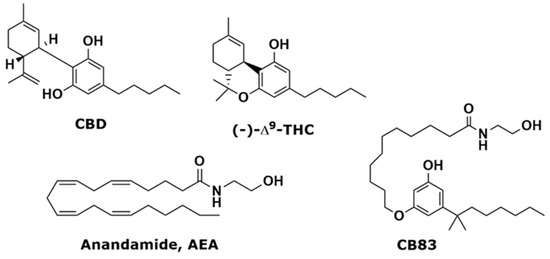
ijms-logo “In this study, we investigated the effects of exposition to IC50 dose for 24 h of a new synthetic cannabinoid (CB83) and of phytocannabinoids Δ9-tetrahydrocannabinol (THC) and cannabidiol (CBD) on HT-29 colorectal carcinoma cells. Cell viability and proliferative activity evaluated using the MTT, lactate dehydrogenase (LDH), and CyQUANT assays showed that cell viability was significantly affected when CB83, THC, and CBD were administered to cells.

The results obtained showed that the reduced glutathione/oxidized glutathione ratio was significantly reduced in the cells exposed to CBD and significantly increased in the cells treated with the CB83 when compared to the controls. CBD treatment causes a significant increase in malondialdehyde content. The catalase activity was significantly reduced in HT-29 cells after incubation with CB83, THC, and CBD. The activities of glutathione reductase and glutathione peroxidase were significantly increased in cells exposed to THC and significantly decreased in those treated with CBD. The ascorbic acid content was significantly reduced in cells exposed to CB83, THC, and CBD. The ultrastructural investigation by TEM highlighted a significantly increased percentage of cells apoptotic and necrotic after CB83 exposition. The Annexin V-Propidium Iodide assay showed a significantly increased percentage of cells apoptotic after CB83 exposition and necrotic cells after CBD and THC exposition.

Our results proved that only CBD induced oxidative stress in HT-29 colorectal carcinoma cells via CB receptor-independent mechanisms and that CB83 caused a mainly CB2 receptor-mediated antiproliferative effect comparable to 5-Fuorouracil, which is still the mainstay drug in protocols for colorectal cancer.”

https://pubmed.ncbi.nlm.nih.gov/32752303/

https://www.mdpi.com/1422-0067/21/15/5533

Structural basis of signaling of cannabinoids receptors: paving a way for rational drug design in controling mutiple neurological and immune diseases

Dundee University rank & funding : Compute Scotland“Cannabinoids (CBs), analgesic drugs used for thousands of years, were first found in Cannabis sativa, and the multiple CBs used medicinally, such as tetrahydrocannabinol (THC), cannabidiol (CBD) and dozens more, have complex structures. In addition to their production by plants, CBs are naturally present in the nerves and immune systems of humans and animals.
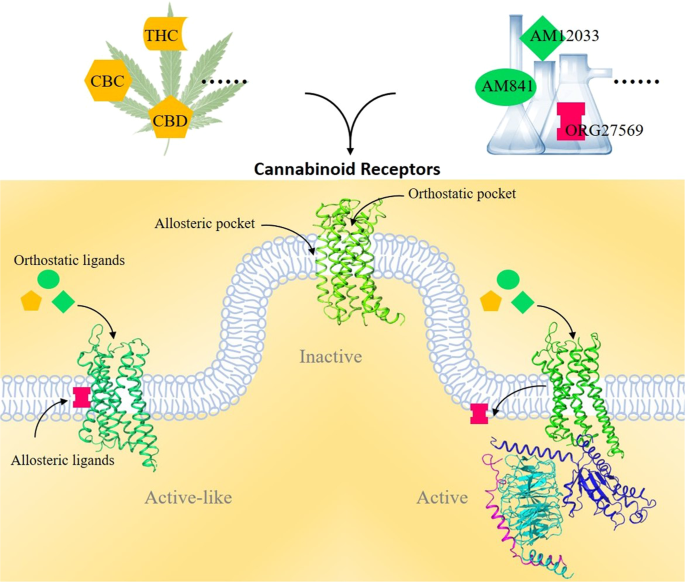
Both exogenous and endogenous CBs carry out a variety of physiological functions by engaging with two CB receptors, the CB1 and CB2 receptors, in the human endocannabinoid system (ECS). Both CB1 and CB2 are G protein-coupled receptors that share a 7-transmembrane (7TM) topology. CB1, known as the central CB receptor, is mainly distributed in the brain, spinal cord, and peripheral nervous system. CB1 activation in the human body typically promotes the release of neurotransmitters, controls pain and memory learning, and regulates metabolism and the cardiovascular system.

Clinically, CB1 is a direct drug target for drug addiction, neurodegenerative diseases, pain, epilepsy, and obesity. Unlike the exclusive expression of CB1 in the nervous system, CB2 is mainly distributed in peripheral immune cells. Selective CB2 agonists would have therapeutic potential in the treatment of inflammation and pain and avoid side effects caused by currently used clinical drugs.

Although significant progress has been made in developing agonists toward CB receptors, efficient clinical drugs targeting CB receptors remain lacking due to their complex signaling mechanisms. The recent structural elucidation of CB receptors has greatly aided our understanding of the activation and signal transduction mechanisms of CB receptors.

Recent structural characterizations of CB receptors will greatly facilitate the design of new ligands to modulate the selective functions of CB receptors. Notably, the CBD was approved by the Food and Drug Administration (FDA) in 2018 to treat epilepsy. We now look forward to more drugs targeting these two CB receptors for clinical usage in the near future.”

https://pubmed.ncbi.nlm.nih.gov/32694501/

https://www.nature.com/articles/s41392-020-00240-5

figure1