
 “Cannabidiol (CBD) is a naturally occurring, non-psychotropic cannabinoid of the hemp plant Cannabis sativa L. and has been known to induce several physiological and pharmacological effects. While CBD is approved as a medicinal product subject to prescription, it is also widely sold over the counter (OTC) in the form of food supplements, cosmetics and electronic cigarette liquids. However, regulatory difficulties arise from its origin being a narcotic plant or its status as an unapproved novel food ingredient.
Regarding the consumer safety of these OTC products, the question whether or not CBD might be degraded into psychotropic cannabinoids, most prominently tetrahydrocannabinol (THC), under in vivo conditions initiated an ongoing scientific debate. This feature review aims to summarize the current knowledge of CBD degradation processes, specifically the results of in vitro and in vivo studies. Additionally, the literature on psychotropic effects of cannabinoids was carefully studied with a focus on the degradants and metabolites of CBD, but data were found to be sparse.
While the literature is contradictory, most studies suggest that CBD is not converted to psychotropic THC under in vivo conditions. Nevertheless, it is certain that CBD degrades to psychotropic products in acidic environments. Hence, the storage stability of commercial formulations requires more attention in the future.”
https://pubmed.ncbi.nlm.nih.gov/32503116/
 “Cannabis (Cannabis sativa L.) is a complex, polymorphic plant species, which produces a vast array of bioactive metabolites, the two major chemical groups being cannabinoids and terpenoids. Nonetheless, the psychoactive cannabinoid tetrahydrocannabinol (Δ 9 -THC) and the non-psychoactive cannabidiol (CBD), are the two major cannabinoids that have monopolized the research interest.
 “Multiple sclerosis (MS) is an autoimmune demyelinating disease of the central nervous system, affecting ambulation even in people with only mild neurological signs. Patients with MS frequently experience spasticity, which contributes significantly to impair their motor functions, including ambulation, owing to muscle stiffness, spasms, and pain.
 “Few models exist that can control for placebo and expectancy effects commonly observed in clinical trials measuring ‘
 “While natural Δ9-tetrahidrocannabinol (Δ9THC),
 “An emerging area of preclinical research has investigated whether drug use in parents prior to conception influences drug responsivity in their offspring.
 “Cannabis sativa and its principal components, Δ9-tetrahydrocannabinol (Δ9-THC) and
 “To examine acute and residual mood and cognitive performance in young adult regular
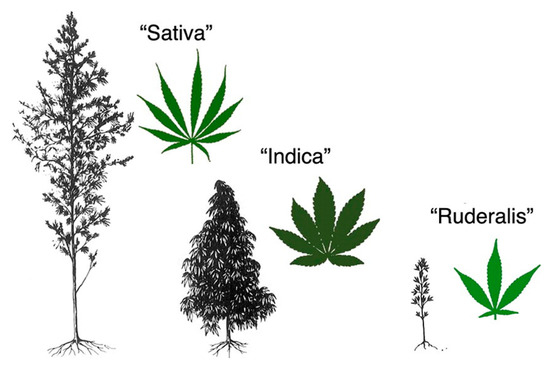
 “Cannabis sativa is an aromatic annual flowering plant with several botanical varieties, used for different purposes, like the production of fibers, the production of oil from the seeds, and especially for recreational or medical purposes.
 “Borderline Personality Disorder (BPD) is a chronic debilitating psychiatric disorder characterized mainly by emotional instability, chaotic interpersonal relationships, cognitive disturbance (e.g. dissociation and suicidal thoughts) and maladaptive behaviors. BPD has a high rate of comorbidity with other mental disorders and high burden on society.