“Δ9-Tetra-hydrocannabivarin (THCV) is a naturally occurring analogue of the psychoactive principle of cannabis, Δ9-tetra-hydrocannabinol (THC).
THCV is a new potential treatment against obesity-associated glucose intolerance with pharmacology different from that of CB1 inverse agonists/antagonists.
In conclusion, THCV produces therapeutic metabolic effects in two different mouse models of obesity. In particular, its strongest effects are exerted on plasma glucose and insulin levels, especially following an OGTT in DIO mice and on liver triglycerides in ob/obmice.
Based on these data, it can be suggested that THCV may be useful for the treatment of the metabolic syndrome and/or type 2 diabetes, either alone or in combination with existing treatments. Given the reported benefits of another non-THC cannabinoid, CBD in type 1 diabetes, a CBD/THCV combination may be beneficial for different types of diabetes mellitus.”
“Six-year-old Charlotte Figi, a picture of precious in her “Gatsby”-style bob and blue toenails, stands patiently as her mother reaches up her dress to change her out of her soiled Pull-Ups. – Charlotte never says a word. She hasn’t in the past hour, and won’t for at least another 30 minutes, when she finally whispers the name of a visitor who is about to leave.
In the Figi household, these are signs of progress: Charlotte saying something. Charlotte eating and drinking. Charlotte standing and walking.
Charlotte breathing.
About 18 months ago, in the winter of 2011, Paige and Matt Figi signed a “do not resuscitate” order telling medical personnel to forgo life-saving measures for their daughter and let fate take its course.
They’d done all they could to control the seemingly endless, violent seizures that hit Charlotte 20, 40, 60 times a day. They put her on an extreme diet. They tried at least a dozen medications, many with harmful side effects. Despite some promising starts, nothing worked. And the rescue medications they were giving her to stop the seizures in fact stopped her breathing. CPR brought her back to life more than once.
After years of watching a cruel, incurable genetic disorder called Dravet Syndome rob their daughter of her basic bodily functions and send her into convulsions that caused head injuries and broken teeth, they had reached the end.
“We really thought, this is a horrible existence; she’s not going to live much longer.” Paige says. “This is not a life for her. This is torture. She is suffering all day. I’m not OK with this. She wasn’t even human anymore. She’d lie in my arms drooling, seizing, screaming and crying.”
Then, in an act of desperation, or inspiration – or maybe both – Matt called Paige from overseas, where he was working, and suggested a radical approach to Charlotte’s treatment.
“We need to try cannabis for Charlotte,” he told Paige. “We live in a compassionate state.”
Fifteen months later, the little girl with the DNR order is standing in the kitchen of their Black Forest home with her mother getting her Pull-Ups changed, cuddling in the arms of a visitor, playing with toys and strategically pushing the buttons on her “talker,” an electronic device that communicates when Charlotte can’t.
Her seizures have dropped from 1,200 a month to three, and the ones she has are shorter in duration and less severe. She’s off all the other medications with their troubling side effects. And, as one of the youngest medical marijuana patients in Colorado, her dramatic turnaround is starting to draw national attention, with a CNN report on the horizon.”
“Cannabis is in the news again for its purported medicinal benefits, with researchers in Israel last week indicating it may help prevent trauma to the brain in certain circumstances and may also help with cardiac problems. A few months ago an English pharmaceutical company that manufactures cannabinoids announced it was developing a new treatment for epilepsy using them.”
“Prof. Yosef Sarne in the Adelson Center for the Biology of Addictive Diseases in the Department of Physiology and Pharmacology at Tel Aviv University says that cannabis has neuro-protective qualities. He has found that extremely low doses of tetrahydrocannabinol or THC- the psychoactive component of marijuana- can protect the brain from long-term cognitive damage in the wake of injury from hypoxia (lack of oxygen), seizures, or toxic drugs.”
“GW Pharmaceuticals (GWPH) is an UK-based biopharmaceutical company focused on the discovery and development of cannabinoid-based products for a wide range of indications. GW has established a technology platform based on genetically modified cannabis plants and has become a leader in plant-derived cannabinoid therapeutics.
GW’s lead program is Sativex, a cannabis extract based oromucosal spray whose main actives are the cannabinoids delta-9- tetrahydrocannabinol (THC), and cannabidiol (CBD). It is approved for the treatment of multiple sclerosis (MS) spasticity in 21 countries outside of the U.S and already marketed in seven countries (eight following Italian launch in Q213).
…While MS spasticity has provided proof-of-concept in the worldwide approvability of Sativex, a more meaningful commercial opportunity is in the treatment of opioid-refractory cancer pain. Sativex has been tested in two Phase II trials in cancer pain. The trials have demonstrated that Sativex is safe and effective when used in addition to opioids in patients whose cancer pain is not sufficiently managed by opioids alone. Based on these results, GW has initiated three Phase III trials. The first two are expected to complete during 2014 and support an FDA filing.”
“A mouth spray containing cannabinoids is effective in reducing pain in cancer patients who are still in pain despite using opioid medicines, according to a new study published in The Journal of Pain.”
“The oral mucosal spray known as nabixmols, which is marketed under the trade name Sativex, contains a formulation of cannabinoids, marijuana’s most active ingredients.”
“Neuropathic pain caused by chemotherapy limits dosing and duration of potentially life-saving anti-cancer treatment and impairs quality of life. Chemotherapeutic neuropathy responds poorly to conventional treatments, and there is an urgent medical need for new treatments. Recent preclinical studies demonstrate that cannabinoid agonists suppress established chemotherapy-evoked neuropathy.
This was a pilot trial to begin to investigate a currently available cannabinoid agent, nabiximols (oral mucosal spray containing cannabinoids), in the treatment of chemotherapy-induced neuropathic pain.
CONCLUSION:
Chemotherapy-induced neuropathic pain is particularly resistant to currently available treatments. This pilot trial found a number needed to treat of five and an average decrease of 2.6 on an 11-point NRS-PI in five “responders” (as compared with a decrease of 0.6 with placebo) and supports that it is worthwhile to study nabiximols in a full randomized, placebo-controlled trial of chemotherapy-induced neuropathic pain.”
“Lung cancer is the major cause of cancer-related mortality worldwide.Many of these over-express epidermal growth factor receptor(EGFR), and are usually highly aggressive and resistant to chemotherapy.
Recent studies have shown that -9 Tetrahydrocannabinol (THC),the major component of Cannabis sativa, possess anti-tumor propertiesagainst various types of cancers.
However, not much is knownabout its effect on lung cancer. In this study, we sought tocharacterize the effect of THC on EGF-induced growth and metastasisof human non small lung cancer cell (NSCLC) lines A549 and SW-1573.
We demonstrate that these cell lines and primary tumor samplesderived from lung cancer patients express cannabinoids receptorsCB1 and CB2, the known targets for THC action. We further showthat THC inhibits EGF-induced growth in these cell lines. Inaddition THC attenuated EGF-stimulated chemotaxis and chemoinvasion.Next we characterized the effect of THC on in vivo lung cancergrowth and metastasis in a murine model. A549 cells were implantedin SCID mice (n=6 per group) through subcutaneous and intravenousinjections to generate subcutaneous and lung metastatic cancer,respectively. THC (5mg/kg body wt.) was administered once dailythrough intraperitoneal injections for 21 days. The mice wereanalyzed for tumor growth and lung metastasis.
A significantreduction (~50%) in tumor weight and volume were observed inTHC treated animals compared to the vehicle treated animals.THC treated animals also showed a significant (~60%) reductionin macroscopic lesions on the lung surface in comparison tovehicle treated control. Immunohistochemical analysis of thetumor samples from THC treated animals revealed anti-proliferativeand anti-angiogenic effects of THC with significant reductionin staining for Ki67, a proliferative marker and CD31, an endothelialmarker indicative of vascularization. Investigation into thesignaling events associated with reduced EGF-induced functionaleffects revealed that THC also inhibits EGF-induced Akt phosphorylation.Akt is a central signaling molecule of EGFR-mediated signalingpathways and it regulates a diverse array of cellular functions,including proliferation, angiogenesis, invasion and apoptosis.
Cumulatively, these studies indicate that THC has anti-tumorigenic and anti-metastatic effects against lung cancer. Novel therapies against EGFR overexpressing, aggressive and chemotherapy resistant lung cancers may include targeting the cannabinoids receptors.”
“A new study in mice has found that activating a receptor affected by marijuana can dramatically reduce cocaine consumption. The research suggests that new anti-addiction drugs might be developed using synthetic versions of cannabidiol (CBD), the marijuana component that activates the receptor—or even by using the purified natural compound itself.
Researchers formerly believed that the receptor, known as CB2, was not found in the brain and that therefore CBD had no psychoactive effects. But a growing body of research suggests otherwise. After THC, CBD is the second most prevalent active compound in marijuana.”
“Researchers find cannabidiol is as effective as standard antipsychotic drugs—with fewer side effects.”
A compound found in marijuana can help treat schizophrenia as effectively as standard antipsychotic drugs—and with fewer side effects—according to the results of a new clinical trial, reports The Fix columnist Maia Szalavitz in Time. Researchers at University of Cologne in Germany studied 39 people with schizophrenia, all hospitalized for a psychotic episode. Twenty of the patients were given cannabidiol (CBD), a substance found in marijuana that is associated with its mellowing, anti-anxiety effects (not THC—the main ingredient in marijuana, which has been found to worsen schizophrenia). The other participants were given amisulpride, an antipsychotic medication. At the end of the four-week trial, both groups showed significant clinical improvement in their schizophrenic symptoms. “The results were amazing,” says Daniele Piomelli, professor of pharmacology at the University of California-Irvine and a co-author of the study. “Not only was [CBD] as effective as standard antipsychotics, but it was also essentially free of the typical side effects seen with antipsychotic drugs.” Antipsychotic medications can cause serious, sometimes permanent movement disorders and other side effects such as weight gain and movement problems. In the study, these side effects were observed in those taking amisulpride, but not in those taking CBD. “These exciting findings should stimulate a great deal of research,” says Dr. John Krystal, chair of psychiatry at Yale University School of Medicine, who was not associated with the study. He noted that CBD, in addition to having fewer side effects, also seemed to work better on schizophrenia’s negative symptoms, which are notoriously difficult to treat, including: social withdrawal, blunting of pleasure, and lack of motivation.”
“Marijuana contains at least 60 known chemicals called cannabinoids, which activate cannabinoid receptors in your body. Tetrahydrocannabinol, or THC, is the main component responsible for the psychoactive effects, or “high,” marijuana is known for. While THC is known to have some medicinal value, there has been recent investigation into a new cannabinoid that is rumored to have more medicinal benefits than any single pharmaceutical drug on the market.”
“What is Cannabidiol (CBD)?
This cannabinoid is known as Cannabidiol(CBD), and is the second most abundant cannabinoid in cannabis. Research done by G.W. Pharmaceuticals suggests that CBD could be used for treating symptoms of rheumatoid arthritis and other autoimmune diseases, diabetes, nausea, bowel disorders, and many other hard-to-control side effects. According to an article from Projectcbd.com, CBD has even demonstrated neuroprotective effects, and its anti-cancer potential is currently being explored.
While it was originally believed that THC is a breakdown product of CBD, it is now known that both THC and CBD are actually metabolites of their decarboxylated acidic forms, THCa and CBDa. These acidic precursors are decarboxylated (essentially dried) by heat or extraction to produce THC and CBD; only then do they become psychoactive.The compound has medicinal benefits without the “high” that some patients do not desire. This makes CBD appealing to patients who are looking for an alternative to their current meds, which often have opiate-like effects.”

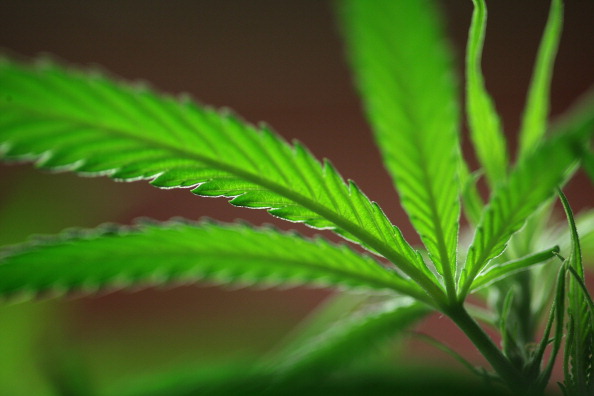

 -9 Tetrahydrocannabinol (THC),the major component of Cannabis sativa, possess anti-tumor propertiesagainst various types of cancers.