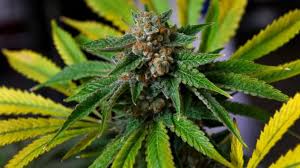
Cannabis as painkiller

ScienceDaily: Your source for the latest research news

“Cannabis-based medications have been demonstrated to relieve pain.

Cannabis medications can be used in patients whose symptoms are not adequately alleviated by conventional treatment.

The clinical effect of the various cannabis-based medications rests primarily on activation of endogenous cannabinoid receptors.

Consumption of therapeutic amounts by adults does not lead to irreversible cognitive impairment.”

http://www.sciencedaily.com/releases/2012/08/120807101232.htm

http://www.thctotalhealthcare.com/category/pain-2/

Cannabinoids Destroy Leukemia Cells, New Study Finds

(Photo: Alternative Medicine Solutions)

“New research from the University of London suggests chemicals in marijuana could be used to fight leukemia.

Published online in Anticancer Research, researchers at the Department of Oncology at St. George’s, University of London studied six different cannabinoids and found each to have anti-cancer action in leukemia cells.

Lead author Wai Liu, Ph.D explained the results of the latest study in Monday’s press release.

These agents are able to interfere with the development of cancerous cells, stopping them in their tracks and preventing them from growing. In some cases, by using specific dosage patterns, they can destroy cancer cells on their own.

The scientists were able to replicate previous findings on the anti-cancer effects of THC – the compound in marijuana responsible for the high.

However, in the latest study, Dr. Liu’s team decided to focus on cannabinoids that lacked psychoactive activity, including cannabidiol (CBD), cannabigerol (CBG) and cannabigevarin (CBGV).

This study is a critical step in unpicking the mysteries of cannabis as a source of medicine. The cannabinoids examined have minimal, if any, hallucinogenic side effects, and their properties as anti-cancer agents are promising.

The non-psychoactive cannabinoids were shown to inhibit growth of leukemia cells at all stages of the cell cycle. Interestingly, the team observed even greater effects when different cannabinoids were administered together.

“These compounds are inexpensive to produce”

Dr. Liu says drugs derived from cannabis are much cheaper to produce than traditional cancer therapies. He also thinks they could be combined with existing treatments to enhance their effects.

Used in combination with existing treatment, we could discover some highly effective strategies for tackling cancer. Significantly, these compounds are inexpensive to produce and making better use of their unique properties could result in much more cost effective anti-cancer drugs in future.

Dr. Liu’s next study will investigate the potential of cannabinoids when combined with existing treatments as well as different treatment schedules that could maximize their anti-cancer activity.”

http://www.leafscience.com/2013/10/14/cannabinoids-destroy-leukemia-cells-new-study-finds/

http://www.thctotalhealthcare.com/category/leukemia/

Targeting CB2-GPR55 Receptor Heteromers Modulates Cancer Cell Signaling.

“The G protein-coupled receptors CB2 (CB2R) and GPR55 are overexpressed in cancer cells and human tumors. As a modulation of GPR55 activity by cannabinoids has been suggested, we analyzed whether this receptor participates in cannabinoid effects on cancer cells.

Here, we show that CB2R and GPR55 form heteromers in cancer cells, that these structures possess unique signaling properties, and that modulation of these heteromers can modify the antitumoral activity of cannabinoids in vivo.

These findings unveil the existence of previously unknown signaling platforms that help explain the complex behavior of cannabinoids and may constitute new targets for therapeutic intervention in oncology.”

http://www.ncbi.nlm.nih.gov/pubmed/24942731

http://www.thctotalhealthcare.com/category/cancer/

TRP Channel Cannabinoid Receptors in Skin Sensation, Homeostasis, and Inflammation.

“In the skin, cannabinoid lipids, whether of endogenous or exogenous origin, are capable of regulating numerous sensory, homeostatic and inflammatory events.

Although many of these effects are mediated by metabotropic CB receptors, a growing body of evidence has revealed that multiple members of the transient receptor potential (TRP) ion channel family can act as “ionotropic cannabinoid receptors”.

Furthermore, many of these same TRP channels are intimately involved in cutaneous processes that include the initiation of pain, temperature, and itch perception, the maintenance of epidermal homeostasis, the regulation of hair follicles and sebaceous glands, and the modulation of dermatitis.

Ionotropic cannabinoid receptors therefore represent potentially attractive targets for the therapeutic use of cannabinoids to treat sensory and dermatological diseases.

Furthermore, the interactions between neurons and other cell types that are mediated by cutaneous ionotropic cannabinoid receptors are likely to be recapitulated during physiological and pathophysiological processes in the central nervous system and elsewhere, making the skin an ideal setting in which to dissect general complexities of cannabinoid signaling.”

http://www.ncbi.nlm.nih.gov/pubmed/24915599

Marijuana can treat autoimmune diseases, scientific study states

“Weed enthusiasts are getting their case for nationwide decriminalization of marijuana bolstered considerably by a new scientific study that promises the controversial plant can treat multiple medical maladies.

Scientists at the University of South Carolina have discovered marijuana’s potential to treat autoimmune diseases — such as arthritis, lupus, colitis and multiple sclerosis — in which chronic inflammation plays a pivotal role.

The Journal of Biological Chemistry published the researchers’ findings that state marijuana’s potential key role in fighting these diseases lies in its capacity to suppress certain immune functions, most particularly inflammation.

The study examined whether marijuana’s main active constituent, tetrahydrocannabinol (THC), could affect DNA through “epigenetic” pathways.

The group of molecules with the capacity to alter DNA and the functioning of genes it controls is collectively referred to as the epigenome. It includes a group of molecules called histones, which are responsible for inflammation, both beneficial and harmful.

The research team, led by Mitzi Nagarkatti, Prakash Nagarkatti and Xiaoming Yang, found that THC can, indeed, affect DNA expression through epigenetic pathways by altering histones.

As recreational and medical use of marijuana become more acceptable in developed countries, more research is being conducted and more potential health applications are being uncovered.

Marijuana already has a variety of medical uses including treatment of chronic pain, nausea, vomiting and the wasting syndrome experienced by some AIDS patients.”

http://atlantadailyworld.com/2014/06/05/marijuana-can-treat-autoimmune-diseases-scientific-study-states/

Do cannabinoids have a therapeutic role in transplantation?

Figure 1

“Cannabinoids are a group of terpenophenolic compounds structurally similar to delta-9-tetrahydrocannabinol (THC) from the plant Cannabis sativa.

Cannabinoids have emerged as powerful drug candidates for the treatment of inflammatory and autoimmune diseases due to their immunosuppressive properties.

Significant clinical and experimental data on the use of cannabinoids as anti-inflammatory agents exist in many autoimmune disease settings, but virtually no studies have been undertaken on their potential role in transplant rejection. Here we suggest a theoretical role for the use of cannabinoids in preventing allograft rejection.

…manipulation of endocannabinoids in vivo by activating their biosynthesis and inhibiting cellular uptake and metabolism may offer another pathway to regulate immune response during allograft rejection.

…cannabinoids have emerged as novel anti-inflammatory agents because of their efficacy in the treatment of many immune-mediated disorders such as multiple sclerosis, rheumatoid arthritis and autoimmune hepatitis.

Transplantation is one critical area of medicine that requires the use of immunosuppressants.

 Inasmuch as, immune cells constitute an important resource of endocannabinoids, it may be easier to manipulate their levels during an immune response, which could have a direct and immediate impact on such cells that determine the fate of the allograft.

In summary, targeting cannabinoid receptors and understanding the role and use of exo-and endocannabinoids in experimental allograft rejection models may provide an exciting new beginning with significant translational impact.”

http://www.ncbi.nlm.nih.gov/pmc/articles/PMC2923447/

Signaling through cannabinoid receptor 2 suppresses murine dendritic cell migration by inhibiting matrix metalloproteinase 9 expression

“The cannabinoid system consists of cannabinoid receptors and their ligands, including endocannabinoids, synthetic cannabinoid receptor agonists and antagonists, and phytocannabinoids.

Administration of cannabinoid receptor 2 (CB2R) agonists in inflammatory and autoimmune disease and CNS injury models results in significant attenuation of clinical disease, and reduction of inflammatory mediators.

…cannabinoids contribute to resolve acute inflammation and to reestablish homeostasis.

Selective CB2R agonists might be valuable future therapeutic agents for the treatment of chronic inflammatory conditions by targeting activated immune cells, including DCs.

Because of their anti-inflammatory functions targeting various immune cells, CB2R agonists could represent valuable therapeutic agents for the treatment of chronic inflammatory conditions.”

http://www.ncbi.nlm.nih.gov/pmc/articles/PMC3488886/

Cannabinoid receptor 2: potential role in immunomodulation and neuroinflammation.

Figure 2

“The cannabinoids are a group of terpenophenolic compounds present in the marijuana plant, Cannabis sativa. At present, three general types of cannabinoids have been identified: phytocannabinoids present uniquely in the cannabis plant, endogenous cannabinoids produced in humans and animals, and synthetic cannabinoids generated in a laboratory. It is worth noting that Cannabis sativa produces over 80 cannabinoids…

An accumulating body of evidence suggests that endocannabinoids and cannabinoid receptors type 1 and 2 (CB(1), CB(2)) play a significant role in physiologic and pathologic processes, including cognitive and immune functions.

…there is growing appreciation of the therapeutic potential of cannabinoids in multiple pathologic conditions involving chronic inflammation (inflammatory bowel disease, arthritis, autoimmune disorders, multiple sclerosis, HIV-1 infection, stroke, Alzheimer’sdisease to name a few), mainly mediated by CB(2) activation.

This review attempts to summarize recent advances in studies of CB(2) activation in the setting of neuroinflammation, immunomodulation and HIV-1 infection.

The full potential of CB2 agonists as therapeutic agents remains to be realized.

Despite some inadequacies of preclinical models to predict clinical efficacy in humans and differences between the signaling of human and rodent CB2 receptors, the development of selective CB2 agonists may open new avenues in therapeutic intervention.

Such interventions would aim at reducing the release of pro-inflammatory mediators particularly in chronic neuropathologic conditions such as HAND or MS.”

http://www.ncbi.nlm.nih.gov/pmc/articles/PMC3663904/


Attenuation of experimental autoimmune hepatitis by exogenous and endogenous cannabinoids: involvement of regulatory T cells.

Fig. 1

“Immune-mediated liver diseases including autoimmune and viral hepatitis are a major health problem worldwide. Natural cannabinoids such as Delta(9)-tetrahydrocannabinol (THC) effectively modulate immune cell function, and they have shown therapeutic potential in treating inflammatory diseases.

We investigated the effects of THC in a murine model of concanavalin A (ConA)-induced hepatitis…

Our data demonstrate that targeting cannabinoid receptors using exogenous or endogenous cannabinoids and use of FAAH inhibitors may constitute novel therapeutic modalities to treat immune-mediated liver inflammation.

δ-9-Tetrahydrocannabinol (THC), the major psychoactive component of marijuana (Cannabis sativa), has wide-ranging pharmacological properties. The cannabinoid compounds possess significant immunosuppressive and anti-inflammatory properties. THC and cannabinoid receptor agonists have shown promise in several models of inflammation.”

http://www.ncbi.nlm.nih.gov/pmc/articles/PMC2828293/

Role of Myeloid-Derived Suppressor Cells in Amelioration of Experimental Autoimmune Hepatitis Following Activation of TRPV1 Receptors by Cannabidiol

Figure 1

“Myeloid-derived suppressor cells (MDSCs) are getting increased attention as one of the main regulatory cells of the immune system. They are induced at sites of inflammation and can potently suppress T cell functions. In the current study, we demonstrate how activation of TRPV1 vanilloid receptors can trigger MDSCs, which in turn, can inhibit inflammation and hepatitis…

This study demonstrates for the first time that MDSCs play a critical role in attenuating acute inflammation in the liver, and that agents such as CBD, which trigger MDSCs through activation of TRPV1 vanilloid receptors may constitute a novel therapeutic modality to treat inflammatory diseases.

Cannabidiol (CBD) is a major non-psychoactive cannabinoid component of marijuana.

Together, these studies not only demonstrate that CBD can protect the host from acute liver injury but also provide evidence for the first time that MDSCs may play a critical role in protecting the liver from acute inflammation.

Non-psychoactive cannabinoids such as CBD possess great therapeutic potential in treating various inflammatory liver diseases, including autoimmune hepatitis.”

http://www.ncbi.nlm.nih.gov/pmc/articles/PMC3069975/