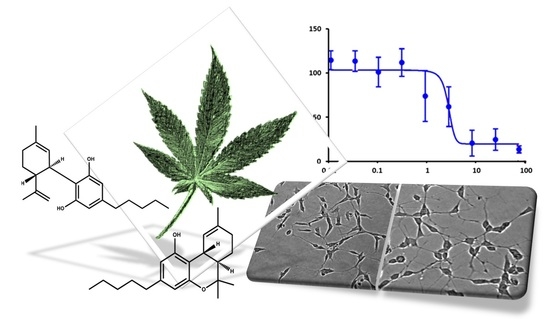
Update on cannabis and cannabinoids for cancer pain

Current Issue Cover Image “The prevalence of cancer pain will continue to rise as pain is common among the survivorship and general cancer population. As interest in cannabis and cannabinoids for medicinal use including pain management continues to rise, there is growing need to update and review the current state of evidence for their use. The literature was searched for articles in English with key words cannabis, cannabinoids, and cancer pain. The sources of articles were PubMed, Embase, and open Google search.

Recent findings: In a double-blind randomized placebo-controlled trial including a 3-week treatment period of nabiximol for advanced cancer patients with pain refractory to optimized opiate therapy, improvements in average pain were seen in the intention to treat population (P = 0.0854) and per- protocol population (P = 0.0378).

Summary: To date, preclinical data has demonstrated evidence to suggest promising potential for cancer pain and the urgent need to translate this into clinical practice. Unfortunately, due to limited data, for adults with advanced cancer being treated with opiate therapy, the addition of cannabis or cannabinoids is not currently supported to address cancer pain effectively.”

https://pubmed.ncbi.nlm.nih.gov/33110020/

https://journals.lww.com/co-anesthesiology/Abstract/2020/12000/Update_on_cannabis_and_cannabinoids_for_cancer.19.aspx

Cannabinoid Receptor Subtype 2 (CB2R) in a Multitarget Approach: Perspective of an Innovative Strategy in Cancer and Neurodegeneration

 Go to Volume 0, Issue 0“The cannabinoid receptor subtype 2 (CB2R) represents an interesting and new therapeutic target for its involvement in the first steps of neurodegeneration as well as in cancer onset and progression.

Several studies, focused on different types of tumors, report a promising anticancer activity induced by CB2R agonists due to their ability to reduce inflammation and cell proliferation. Moreover, in neuroinflammation, the stimulation of CB2R, overexpressed in microglial cells, exerts beneficial effects in neurodegenerative disorders.

With the aim to overcome current treatment limitations, new drugs can be developed by specifically modulating, together with CB2R, other targets involved in such multifactorial disorders.

Building on successful case studies of already developed multitarget strategies involving CB2R, in this Perspective we aim at prompting the scientific community to consider new promising target associations involving HDACs (histone deacetylases) and σ receptors by employing modern approaches based on molecular hybridization, computational polypharmacology, and machine learning algorithms.”

https://pubmed.ncbi.nlm.nih.gov/33094613/

https://pubs.acs.org/doi/10.1021/acs.jmedchem.0c01357

Abstract Image

The Activation of Cannabinoid Type-2 Receptor with JWH-133 Protects Uterine Ischemia/Reperfusion-Induced Damage

 Pharmacology - Home - Karger Publishers“Uterus transplantation is a complex surgical procedure. Uterine ischemia/reperfusion (IR) damage occurring in this process may cause loss of function in the uterus. Cell damage must be prevented for a healthy uterine function and successful transplantation.

Cannabinoids, with their increasing clinical use, are substances with strong anti-inflammatory and antioxidative effects and have a role in immune system regulation. However, their efficacy in uterine IR damage is still unknown.

This study provides information on the potential applications cannabinoids agonist JWH-133 in uterine IR damage and, hence, in the transplant process.

Results: In the uterine IR group, NF-κB expression and MDA levels were detected at high levels. Histopathological examinations and TUNEL staining revealed extensive cell damage. On the other hand, in groups treated with JWH-133, dose-dependent NF-κB expression and MDA levels decreased (p < 0.05). Depending on the dose, the rate of surviving cells increased in TUNEL staining results.

Conclusion: The results showed that JWH-133 was effective in reducing uterine IR damage. Cannabinoids may be a new alternative that may be used in the transplantation process in the future.”

https://pubmed.ncbi.nlm.nih.gov/33105141/

https://www.karger.com/Article/Abstract/511457

Cannabis use and work-related injuries: a cross-sectional analysis

Occupational Medicine“The purpose of this study was to examine the relationship between work-related injury and cannabis use in the past year.

Results: Among the 136 536 working participants, 2577 (2%) had a work-related injury in the last 12 months. Of these 2577 who had a work-related injury, 4% also reported being a cannabis user in the same period. We found no association between past-year cannabis use and work-related injury (odds ratio for work injury among users 0.81, 95% confidence interval 0.66-0.99). The association was unchanged in the subgroup analysis limited to high injury risk occupational groups.

Conclusions: We found no evidence that cannabis users experienced higher rates of work-related injuries. While awaiting prospective studies, occupational medicine practitioners should take a risk-based approach to drafting workplace cannabis policies.”

https://pubmed.ncbi.nlm.nih.gov/33108459/

https://academic.oup.com/occmed/advance-article-abstract/doi/10.1093/occmed/kqaa175/5941608?redirectedFrom=fulltext

Cannabidiol interactions with voltage-gated sodium channels

eLife logo “Voltage-gated sodium channels are targets for a range of pharmaceutical drugs developed for treatment of neurological diseases.

Cannabidiol (CBD), the non-psychoactive compound isolated from cannabis plants, was recently approved for treatment of two types of epilepsy associated with sodium channel mutations.

This study used high resolution X-ray crystallography to demonstrate the detailed nature of the interactions between CBD and the NavMs voltage-gated sodium channel, and electrophysiology to show the functional effects of binding CBD to these channels.

CBD binds at a novel site at the interface of the fenestrations and the central hydrophobic cavity of the channel. Binding at this site blocks the transmembrane-spanning sodium ion translocation pathway, providing a molecular mechanism for channel inhibition. Modelling studies suggest why the closely-related psychoactive compound tetrahydrocannabinol may not have the same effects on these channels. Finally, comparisons are made with the TRPV2 channel, also recently proposed as a target site for CBD.

In summary, this study provides novel insight into a possible mechanism for CBD interactions with sodium channels.”

https://pubmed.ncbi.nlm.nih.gov/33089780/

https://elifesciences.org/articles/58593

Involvement of dopamine receptor in the actions of non-psychoactive phytocannabinoids

Biochemical and Biophysical Research Communications “These data support the notion that CBD and CBDV act as functional partial agonists on dopamine D2-like receptors in vivo.

The discovery that dopamine receptor is involved in the actions of phytocannabinoids moves a significant step toward our understanding of the mechanisms for medical uses of cannabis in the treatment of neurological and psychiatric disorders.”

https://pubmed.ncbi.nlm.nih.gov/33097185/

https://www.sciencedirect.com/science/article/abs/pii/S0006291X20319306?via%3Dihub

Attenuation of Oxidative Stress by Cannabinoids and Cannabis Extracts in Differentiated Neuronal Cells

pharmaceuticals-logo“In this proof-of-concept study, the antioxidant activity of phytocannabinoids, namely cannabidiol (CBD) and Δ9- tetrahydrocannabinol (THC), were investigated using an in vitro system of differentiated human neuronal SY-SH5Y cells.

We showed that THC had a high potency to combat oxidative stress in both in vitro models, while CBD did not show a remarkable antioxidant activity. The cannabis extracts also exhibited a significant antioxidant activity, which depended on the ratio of the THC and CBD. However, our results did not suggest any antagonist effect of the CBD on the antioxidant activity of THC. The effect of cannabis extracts on the cell viability of differentiated human neuronal SY-SH5Y cells was also investigated, which emphasized the differences between the bioactivity of cannabis extracts due to their composition.

Our preliminary results demonstrated that cannabis extracts and phytocannabinoids have a promising potential as antioxidants, which can be further investigated to develop novel pharmaceuticals targeting oxidative stress therapy.”

https://pubmed.ncbi.nlm.nih.gov/33105840/

https://www.mdpi.com/1424-8247/13/11/328

Cannabinoids in Metabolic Syndrome and Cardiac Fibrosis

 SpringerLink“This article provides a concise overview of how cannabinoids and the endocannabinoid system (ECS) have significant implications for the prevention and treatment of metabolic syndrome (MetS) and for the treatment of cardiovascular disorders, including cardiac fibrosis.

Recent findings: Over the past few years, the ECS has emerged as a pivotal component of the homeostatic mechanisms for the regulation of many bodily functions, including inflammation, digestion, and energy metabolism. Therefore, the pharmacological modulation of the ECS by cannabinoids represents a novel strategy for the management of many diseases. Specifically, increasing evidence from preclinical research studies has opened new avenues for the development of cannabinoid-based therapies for the management and potential treatment of MetS and cardiovascular diseases. Current information indicates that modulation of the ECS can help maintain overall health and well-being due to its homeostatic function. From a therapeutic perspective, cannabinoids and the ECS have also been shown to play a key role in modulating pathophysiological states such as inflammatory, neurodegenerative, gastrointestinal, metabolic, and cardiovascular diseases, as well as cancer and pain. Thus, targeting and modulating the ECS with cannabinoids or cannabinoid derivatives may represent a major disease-modifying medical advancement to achieve successful treatment for MetS and certain cardiovascular diseases.”

https://pubmed.ncbi.nlm.nih.gov/33089434/

https://link.springer.com/article/10.1007%2Fs11906-020-01112-7

Therapeutic application of cannabidiol on UVA and UVB irradiated rat skin. A proteomic study

Journal of Pharmaceutical and Biomedical Analysis “UV phototherapy used in chronic skin diseases causes redox imbalance and pro-inflammatory reactions, especially in the case of unchanged skin cells.

To prevent the harmful effects of UV radiation, cannabidiol (CBD) has been used, which has antioxidant and anti-inflammatory properties. Therefore, the aim of this study was to evaluate the effect of CBD on the metabolism of skin keratinocytes in nude rats exposed to UVA/UVB radiation using a proteomic approach.

The results obtained with SDS-PAGE/nanoHPLC/QexactiveOrbiTrap show that exposure of rat’s skin to UVA/UVB radiation, as well as the action of CBD, significantly modified the expression of proteins involved in inflammation, redox balance and apoptosis.

UVA/UVB radiation significantly increased the expression and biological effectiveness of the nuclear factor associated with erythroid factor 2 (Nrf2) and cytoprotective proteins being products of its transcriptional activity, including superoxide dismutase (Cu,Zn-SOD) and the inflammatory response (nuclear receptor coactivator-3 and paralemmin-3), while CBD treatment counteracted and partially eliminated these changes.

Moreover, cannabidiol reversed changes in the UV-induced apoptotic pathways by modifying anti-apoptotic and pro-apoptotic factors (apoptosis regulator Bcl-2 and transforming growth factor-β).

The results show that CBD maintains keratinocyte proteostasis and therefore could be suggested as a protective measure in the prevention of UV-induced metabolic changes in epidermal keratinocytes.”

https://pubmed.ncbi.nlm.nih.gov/33086172/

“In summary, UVA and UVB radiation affect the proteomic profile of keratinocytes of healthy rat skin in different ways. Both types of radiation change the level of proteins involved in the regulation of cellular redox balance, inflammation, and apoptosis. In contrast, topical application of CBD to rat skin, when exposed to UV radiation, helps normalize the expression of keratinocyte proteins that are metabolically relevant by modeling their biosynthesis and degradation. Thus, CBD can maintain the proteostasis of keratinocytes. Because UV therapy is a part of the treatment of skin diseases, e.g. psoriasis, the use of CBD on unchanged skin may be suggested as a protective factor to reduce the metabolic changes caused by UV radiation in unchanged keratinocytes. This suggestion is particularly important when the beneficial effect of cannabidiol on psoriasis-induced skin lesions has recently also been confirmed.”

https://www.sciencedirect.com/science/article/pii/S0731708520315429?via%3Dihub

Reductions in alcohol use following medical cannabis initiation: results from a large cross-sectional survey of medical cannabis patients in Canada

 International Journal of Drug Policy“Evidence details how cannabis can influence the use of other psychoactive substances, including prescription medications, alcohol, tobacco and illicit drugs, but very little research has examined the factors associated with these changes in substance use patterns. This paper explores the self-reported use of cannabis as a substitute for alcohol among a Canadian medical cannabis patient population.

Results: Overall, 419 (44%) participants reported decreases in alcohol usage frequency over 30 days, 323 (34%) decreased the number of standard drinks they had per week, and 76 (8%) reported no alcohol use at all in the 30 days prior to the survey. Being below 55 years of age and reporting higher rates of alcohol use in the pre-period were both associated with greater odds of reducing alcohol use, and an intention to use medical cannabis to reduce alcohol consumption was associated with significantly greater odds of both reducing and ceasing alcohol use altogether.

Conclusions: Our findings suggest that medical cannabis initiation may be associated with self-reported reductions and cessation of alcohol use among medical cannabis patients. Since alcohol is the most prevalent recreational substance in North America, and its use results in significant rates of criminality, morbidity and mortality, these findings may result in improved health outcomes for medical cannabis patients, as well as overall improvements in public health and safety.”

https://pubmed.ncbi.nlm.nih.gov/33068830/

“Following medical cannabis initiation, 44% of participants reported decreases in alcohol use frequency over 30 days, and 34% decreased the number of standard drinks they had per week. Younger age (<55 years old) and higher rates of alcohol use prior to medical cannabis initiation were associated with greater odds of reducing alcohol. Specific intention to use medical cannabis to reduce alcohol consumption resulted in greater odds of reducing and/or ceasing use altogether.”

https://www.sciencedirect.com/science/article/abs/pii/S0955395920303017?via%3Dihub