
 “To provide an up-to-date summary of the benefits and harms of cannabis-based products for epilepsy in children.
METHODS:
We updated our earlier systematic review, by searching for studies published up to May 2019. We included randomized controlled trials (RCTs) and non-randomized studies (NRS) involving cannabis-based products administered to children with epilepsy. Outcomes were seizure freedom, seizure frequency, quality of life, sleep, status epilepticus, death, gastrointestinal adverse events, and emergency room visits.
RESULTS:
Thirty-five studies, including four RCTs, have assessed the benefits and harms of cannabis-based products in pediatric epilepsy (12 since April 2018). All involved cannabis-based products as adjunctive treatment, and most involved cannabidiol. In the RCTs, there was no statistically significant difference between cannabidiol and placebo for seizure freedom (relative risk 6.77, 95 % confidence interval [CI] 0.36-128.38), quality of life (mean difference [MD] 0.6, 95 %CI -2.6 to 3.9), or sleep disruption (MD -0.3, 95 %CI -0.8 to 0.2). Data from both RCTs and NRS suggest that cannabidiol reduces seizure frequency and increases treatment response; however, there is an increased risk of gastrointestinal adverse events.
CONCLUSION:
Newly available evidence supports earlier findings that cannabidiol probably reduces the frequency of seizures among children with drug-resistant epilepsy.”
https://www.ncbi.nlm.nih.gov/pubmed/31865133
https://www.seizure-journal.com/article/S1059-1311(19)30733-2/fulltext

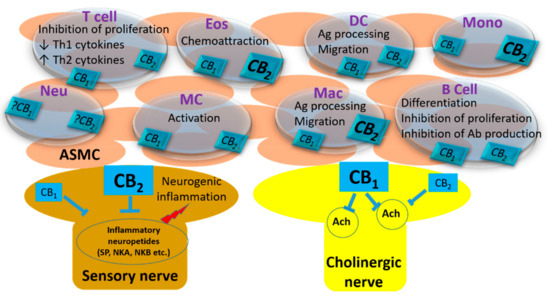
 “Chronic stress is depressogenic by altering neurotrophic and neuroinflammatory environments of the organism. The endocannabinoid system controls cognitive and emotional responses related with stress through the interaction with endocannabinoid receptors. β-Caryophyllene (BCP) is a CB2 agonist that exhibited anti-inflammatory, analgesic effects but minimal psychoactive effects. To test if BCP exhibits antidepressant-like action, animals were chronically restrained with additional stressors for 28 days, and BCP (25, 50, 100 mg/kg) was intraperitoneally injected once a day during the stress inflicting period. Then despair related behaviors and hippocampal expression of neurotrophic, inflammatory and
  “While recent research has shown that
 “Even a brief exposure to severe stress strengthens synaptic connectivity days later in the amygdala, a brain area implicated in the affective symptoms of stress-related psychiatric disorders. However, little is known about the synaptic signaling mechanisms during stress that eventually culminate in its delayed impact on the amygdala. Hence, we investigated early stress-induced changes in amygdalar synaptic signaling in order to prevent its delayed effects.
 “Dystonia is a movement disorder characterized by sustained or intermittent muscle contractions causing abnormal movements and postures. Besides motor manifestations, patients with dystonia also display non-motor signs and symptoms including psychiatric and sensory disturbances.
 “Glioma-related epilepsy significantly impact on patients’ quality of life, and can often be difficult to treat. Seizures cause significant morbidity for example neurocognitive deterioration, which may result from seizures themselves or due to adverse effects from antiepileptic drugs. Management of tumour with surgery, radiotherapy and chemotherapy may contribute to seizure control, but tumour related epilepsy is often refractory despite adequate treatment with standard anti-epileptic medications. Given the increasing interest in medicinal cannabis (or
  “Beta-caryophyllene is an odoriferous bicyclic sesquiterpene found in various herbs and spices.
 “Cannabidiolic acid methyl ester (HU-580) is a more stable compound than cannabidiolic acid (CBDA) which has been shown to be effective in reducing nausea, anxiety, depression behaviors in animal models.