
 “This review focuses on the possible roles of phytocannabinoids, synthetic cannabinoids, endocannabinoids, and “transient receptor potential cation channel, subfamily V, member 1” (TRPV1) channel blockers in epilepsy treatment.
The phytocannabinoids are compounds produced by the herb Cannabis sativa, from which Δ9-tetrahydrocannabinol (Δ9-THC) is the main active compound. The therapeutic applications of Δ9-THC are limited, whereas cannabidiol (CBD), another phytocannabinoid, induces antiepileptic effects in experimental animals and in patients with refractory epilepsies.
Synthetic CB1 agonists induce mixed effects, which hamper their therapeutic applications. A more promising strategy focuses on compounds that increase the brain levels of anandamide, an endocannabinoid produced on-demand to counteract hyperexcitability. Thus, anandamide hydrolysis inhibitors might represent a future class of antiepileptic drugs. Finally, compounds that block the TRPV1 (“vanilloid”) channel, a possible anandamide target in the brain, have also been investigated.
In conclusion, the therapeutic use of phytocannabinoids (CBD) is already in practice, although its mechanisms of action remain unclear. Endocannabinoid and TRPV1 mechanisms warrant further basic studies to support their potential clinical applications.”
https://www.ncbi.nlm.nih.gov/pubmed/31839498
“Cannabidiol is in clinical use for refractory epilepsies.”
https://www.epilepsybehavior.com/article/S1525-5050(19)30373-7/fulltext
 “Heroin (diamorphine) is a highly addictive opioid drug synthesized from morphine. The use of heroin and incidence of heroin associated overdose death has increased sharply in the US.
 “In 2016, the global number of individuals living with dementia was 43.8 million, representing a 117% increase from 1990-mainly due to increases in aging and population growth.
 “Bone metabolism is strictly regulated, and impaired regulation caused by hormonal imbalances induces systemic bone loss. Local bone loss caused by tumor invasion into bone is suggested to be induced by the generation of cytokines, which affect bone metabolism, by tumor cells.
 “The increasing medicinal use of
  “Pain is a common and complex symptom of cancer having physical, social, spiritual and psychological aspects. Approximately 70%-80% of cancer patients experiences pain, as reported in India.
 “In drug development, the creation of highly selective ligands has been unsuccessful for the treatment of central nervous system disorders.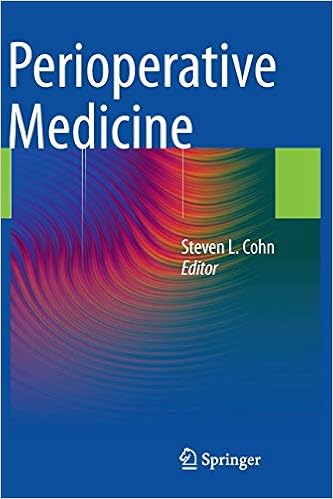
 “Irritable bowel syndrome (IBS) is one of the most common functional gastrointestinal (GI) disorders characterized by pain and impaired bowel movements. Currently available drugs show limited efficacy.