
 “Transcutaneous electrical nerve stimulation (TENS) promotes antinociception by activating the descending pain modulation pathway and consequently releasing endogenous analgesic substances.
In addition, recent studies have shown that the endocannabinoid system controls pain. Thus, the present study investigated the involvement of the endocannabinoid system in TENS-induced antinociception of cancer pain using a cancer pain model induced by intraplantar (i.pl.) injections of Ehrlich tumor cells in male Swiss mice.
These results suggest that low- and high-frequency TENS is effective in controlling cancer pain, and the endocannabinoid system is involved in this effect at both the peripheral and central levels.
Perspective: TENS is a non-pharmacological strategy that may be used to control cancer pain. Identification of a new mechanism involved in its analgesic effect could lead to the development of clinical studies as well as an increase in its application, lessening the need for pharmacological treatments.”
https://www.ncbi.nlm.nih.gov/pubmed/31785404
https://www.jpain.org/article/S1526-5900(19)30868-5/fulltext
 “Available data support the notion that
  “Medical cannabis use is an emerging topic of interest in orthopedics. Although there is a large amount of literature on medical cannabis use for managing various types of pain, few studies have focused on orthopedic conditions. There is little high-quality evidence in core orthopedic areas. The objective of this study was to summarize the literature on the efficacy of cannabis use for pain related to orthopedic conditions.
 “In Italy, medical grade cannabis (MGC) can be prescribed for different medical conditions, including drug-resistant epilepsy (DRE), once standard and approved therapies have failed, or caused non-tolerable side effects.
 “The purpose of this study is to gain a greater understanding of cancer survivors’ attitudes, perspectives, and concerns about medical cannabinoids (MCs) for cancer symptom and side effect management.
 “Cannabis sativa L. is a plant long used for its textile fibers, seed oil, and oleoresin with medicinal and psychoactive properties. It is the main source of phytocannabinoids, with over 100 compounds detected so far. In recent years, a lot of attention has been given to the main phytochemicals present in Cannabis sativa L., namely,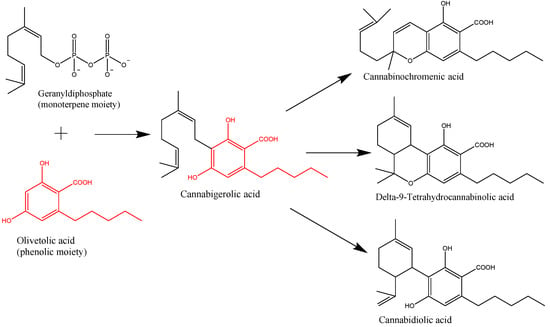
 “The monocyclic 1,4-benzoquinone, HU-331, the direct oxidation product of
  “Endocannabinoid system consists of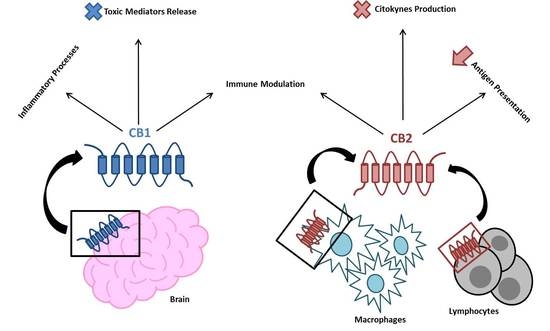
 “As we learn more about the endocannabinoid system (ECS), our understanding and grasp of the system’s ubiquitous presence is expanding. In light of this, there is also a growing body of evidence for the therapeutic potential of ECS modulation in a range of clinical situations. Strategies include for example manipulation of the
  “Drug-resistant seizures are life-threatening and contribute to sustained hospitalization.