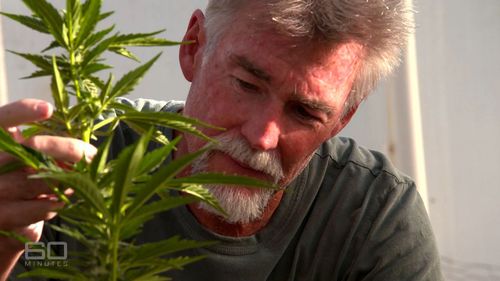
 “Cannabidiol (CBD), a natural phytocannabinoid without psychoactive effect, is a well-known anti-inflammatory and antioxidant compound.
The possibility of its use in cytoprotection of cells from harmful factors, including ultraviolet (UV) radiation, is an area of ongoing investigation. Therefore, the aim of this study was to evaluate the effect of CBD on the regulatory mechanisms associated with the redox balance and inflammation in keratinocytes irradiated with UVA [30 J/cm2] and UVB [60 mJ/cm2].
Spectrophotometric results show that CBD significantly enhances the activity of antioxidant enzymes such as superoxide dismutase and thioredoxin reductase in UV irradiated keratinocytes. Furthermore, despite decreased glutathione peroxidase and reductase activities, CBD prevents lipid peroxidation, which was observed as a decreased level of 4-HNE and 15d-PGJ2 (measured using GC/MS and LC/MS). Moreover, Western blot analysis of protein levels shows that, under stress conditions, CBD influences interactions of transcription factors Nrf2- NFκB by inhibiting the NFκB pathway, increasing the expression of Nrf2 activators and stimulating the transcription activity of Nrf2.
In conclusion, the antioxidant activity of CBD through Nrf2 activation as well as its anti-inflammatory properties as an inhibitor of NFκB should be considered during design of new protective treatments for the skin.”
 “As more states enact laws liberalizing marijuana use and the U.S. opioid epidemic surges to unprecedented levels, understanding the relationship between marijuana and opioids is growing increasingly important.
 “Δ9-tetrahydrocannabinol (Δ9-THC), the primary active component in Cannabis sativa preparations such as hashish and marijuana, signals by binding to cell surface receptors. Two types of receptors have been cloned and characterized as cannabinoid (CB) receptors. CB1 receptors (CB1R) are ubiquitously present in the central nervous
  “Combat veterans are at elevated suicide risk. The goal of this study was to test the hypothesis that combat veterans who have made a suicide attempt post-deployment can be distinguished from combat veterans who have never made a suicide attempt based on differences in psychological and biological variables. For the latter, we focused on endogenous cannabinoids, neuroendocrine markers that are associated with stress. Demographic and clinical parameters of suicide attempters and non-attempters were assessed. Blood samples were assayed for anandamide (AEA), 2-arachidonoylglycerol (2-AG), and cortisol. Suicide attempters had higher Scale for Suicidal Ideation (SSI) scores in comparison to non-attempters. Controlling for gender, 2-AG levels were higher among suicide attempters in comparison to non-attempters. Cortisol levels positively correlated with 2-AG levels and negatively correlated with SSI scores among non-attempters but not among attempters. AEA levels negatively correlated with SSI scores among attempters but not among non-attempters. Our results indicate that there are psychological and biological differences between combat veterans with or without a history of suicidal attempt. Our findings also suggest that clinically observed differences between the groups may have a neurobiological basis.”
 “The G-protein coupled cannabinoid receptor 2 (CB2) has been implicated in the regulation of adult neurogenesis in the hippocampus. The contribution of CB2 towards basal levels of proliferation and the number of neural progenitors in the subgranular zone (SGZ) of the dentate gyrus, however, remain unclear. We stained hippocampal brain sections of 16- to 17-week-old wildtype and CB2-deficient mice, for neural progenitor and immature neuron markers doublecortin (DCX) and calretinin (CR) and for the proliferation marker Ki67 and quantified the number of positive cells in the SGZ. The quantification revealed that CB2 deficiency neither altered overall cell proliferation nor the size of the DCX+ or DCX and CR double-positive populations in the SGZ compared to control animals. The results indicate that CB2 might not contribute to basal levels of adult neurogenesis in four-month-old healthy mice. CB2 signaling might be more relevant in conditions where adult neurogenesis is dynamically regulated, such as neuroinflammation.”
 “As the survival of preterm infants has increased significantly, germinal matrix hemorrhage (GMH) has become an important public health issue. Nevertheless, treatment strategies for the direct neuronal injury are still scarce. The present study aims to analyze the neuroprotective properties of
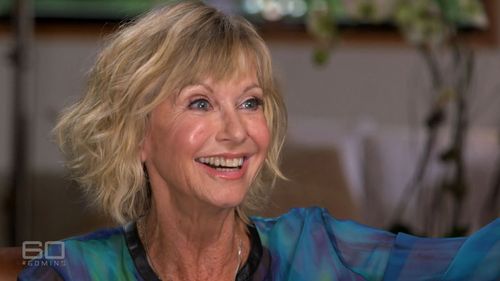 “Olivia Newton-John says medicinal marijuana is a key part of her treatment for stage four cancer. In an exclusive interview with 60 Minutes reporter Liz Hayes, Newton-John says that not only has cannabis assisted with her pain management, sleep and anxiety – but it’s having affects on her physical health too. “I’m incredibly pro cannabis,” she told Liz Hayes. “If I don’t take the cannabis, I can feel the pain so I know it’s working.”