
 “Despite widespread legalization, the impact of medicinal cannabis use on patient-level health and quality of life (QOL) has not been carefully evaluated.
The objective of this study was to characterize self-reported demographics, health characteristics, QOL, and health care utilization of Cannabis Users compared with Controls.
Results: Cannabis Users self-reported significantly better QOL [t(1054)=−4.19, p<0.001], greater health satisfaction [t(1045)=−4.14, p<0.001], improved sleep [children: t(224)=2.90, p<0.01; adults: [t(758)=3.03, p<0.01], lower average pain severity [t(1150)=2.34, p<0.05], lower anxiety [t(1151)=4.38, p<0.001], and lower depression [t(1210)=5.77, p<0.001] compared with Controls. Cannabis Users reported using fewer prescription medications (rate ratio [RR]=0.86; 95% confidence interval [CI]: 0.77–0.96) and were less likely to have a past-month emergency department visit (RR=0.61; 95% CI: 0.44–0.84) or hospital admission (RR=0.54; 95% CI: 0.34–0.87). Controls who initiated cannabis use after baseline showed significant health improvements at follow-up, and the magnitude of improvement mirrored the between-group differences observed at baseline.
Conclusions: Cannabis use was associated with improved health and QOL. Longitudinal testing suggests that group differences may be due to the medicinal use of cannabis. Although bias related to preexisting beliefs regarding the health benefits of cannabis in this sample should be considered, these findings indicate that clinical trials evaluating the efficacy of defined cannabinoid products for specific health conditions are warranted.
The key finding of this study is that medicinal cannabis use was associated with more positive ratings of health and QOL, assessed across multiple domains. Prospective analyses found that Controls showed improvement in health and QOL if they initiated medicinal cannabis use, and that Cannabis Users showed diminished health and QOL if they stopped cannabis use.”
https://www.liebertpub.com/doi/full/10.1089/can.2019.0096
 “We report our preliminary findings regarding effectiveness, safety, and tolerability of cannabidiol (CBD) added to antiepileptic therapy in a cohort of children with drug-resistant epileptic encephalopathies (EEs) with a mean follow-up of 8.5 months (range, 3-12 months).
 “The worldwide prevalence of neurological and neurodegenerative disorders, such as depression or Alzheimer’s disease, has spread extensively throughout the last decades, becoming an enormous health issue.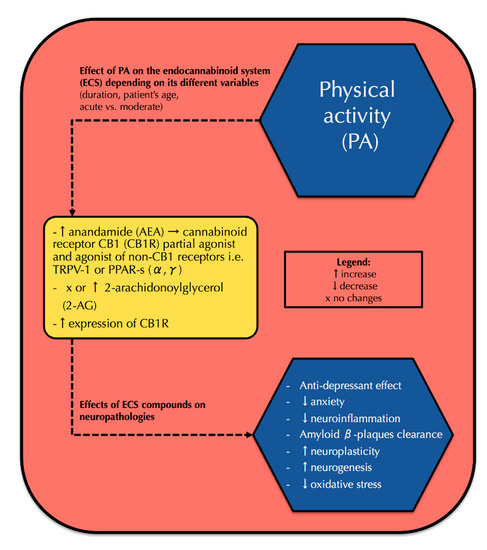
 “The emergence of multi-drug resistant bacteria such as methicillin-resistant Staphylococcus aureus (MRSA) causes a major threat to public health due to its limited therapeutic options.
 “Parkinson’s Disease (PD) is currently the most rapid growing neurodegenerative disease and over the past generation, its global burden has more than doubled. The onset of PD can arise due to environmental, sporadic or genetic factors. Nevertheless, most PD cases have an unknown etiology.
 ‘T-cell acute lymphoblastic leukemia (T-ALL) is a highly heterogeneous malignant hematological disorder arising from T-cell progenitors.
 “Irritable bowel syndrome (IBS) is a frequent cause of abdominal pain and altered bowel habits, which is associated with significant healthcare utilization.
 “Medical cannabis (MC) treatment for migraine is practically emerging, although sufficient clinical data are not available for this indication. This cross-sectional questionnaire-based study aimed to investigate the associations between phytocannabinoid treatment and migraine frequency.
 “Moderate to severe spasticity is commonly reported in Multiple Sclerosis (MS) and its management is still a challenge. Cannabinoids were recently suggested as add-on therapy for the treatment of spasticity and chronic pain in MS but there is no conclusive scientific evidence on their safety, especially on cognition and over long periods.