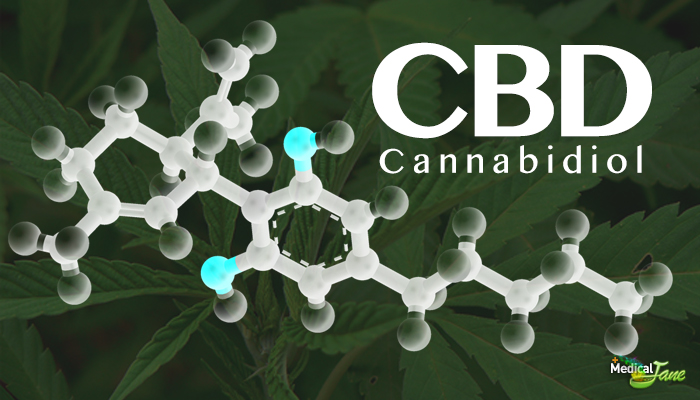
Cannabinoids alter endothelial function in the Zucker rat model of type 2 diabetes.

“Circulating levels of anandamide are increased in diabetes, and cannabidiol ameliorates a number of pathologies associated with diabetes. The aim of the present study was to examine how exposure to anandamide or cannabidiol might affect endothelial dysfunction associated with Zucker Diabetic Fatty rats…

These studies suggest that increased circulating endocannabinoids may alter vascular function both positively and negatively in type 2 diabetes, and that part of the beneficial effect of cannabidiol in diabetes may be due to improved endothelium-dependent vasorelaxation.”

http://www.ncbi.nlm.nih.gov/pubmed/24120371

Cannabidiol lowers incidence of diabetes in non-obese diabetic mice.

“Cannabidinoids are components of the Cannabis sativa (marijuana) plant that have been shown capable of suppressing inflammation and various aspects of cell-mediated immunity.

Cannabidiol (CBD), a non-psychoactive cannabinoid has been previously shown by us to suppress cell-mediatedautoimmune joint destruction in an animal model of rheumatoid arthritis.

We now report that CBD treatment significantly reduces the incidence of diabetes in NOD mice from an incidence of 86% in non-treated control mice to an incidence of 30% in CBD-treated mice…

Our results indicate that CBD can inhibit and delay destructive insulitis and inflammatory Th1-associated cytokine production in NOD mice resulting in a decreased incidence of diabetes possibly through an immunomodulatory mechanism shifting the immune response from Th1 to Th2 dominance.”

http://www.ncbi.nlm.nih.gov/pubmed/16698671

Cannabidiol arrests onset of autoimmune diabetes in NOD mice.

Figure 2

“Cannabidiol (CBD) is a potent anti-inflammatory agent. It is effective in supressing IFN-γ and TNF-α production and progression of autoimmune Th1-mediated rheumatoid arthritis by inhibition of T cell proliferation. This observation led us to investigate the possible effects of CBD on additional autoimmune diseases.

We have previously reported that cannabidiol (CBD) lowers the incidence of diabetes in young non-obese diabetes-prone (NOD) female mice.

In the present study we show that administration of CBD to 11-14 week old female NOD mice… ameliorates the manifestations of the disease…

CBD was extracted from Cannabis resin (hashish)…

Our data strengthen our previous assumption that CBD, known to be safe in man, can possibly be used as a therapeutic agent for treatment of type 1 diabetes.

CBD is not psychoactive and has anti-inflammatory and anti autoimmune properties.

Based on the above presented results, on the previously documented anti-inflammatory effects of CBD and on its clinical safety, it seems reasonable to consider the use of CBD for controlling type 1 diabetes at an early stage of the disease.”

http://www.ncbi.nlm.nih.gov/pmc/articles/PMC2270485/

A biosynthetic pathway for anandamide

“The endocannabinoid arachidonoyl ethanolamine (anandamide) is a lipid transmitter synthesized and released “on demand” by neurons in the brain. Anandamide is also generated by macrophages where its endotoxin (LPS)-induced synthesis has been implicated in the hypotension of septic shock and advanced liver cirrhosis. Anandamide can be generated from its membrane precursor, N-arachidonoyl phosphatidylethanolamine (NAPE) through cleavage by a phospholipase D (NAPE-PLD).

Here we document a biosynthetic pathway for anandamide in mouse brain…

Both PTPN22 and endocannabinoids have been implicated in autoimmune diseases, suggesting that the PLC/phosphatase pathway of anandamide synthesis may be a pharmacotherapeutic target.

The observed exclusive role of the PLC/phosphatase pathway in LPS-induced AEA synthesis may offer therapeutic targets for the treatment of these conditions.

Furthermore, cannabinoids have immunosuppressive effects in autoimmune models of multiple sclerosis and diabetes, and mice deficient in CB1 receptors show increased susceptibility to neuronal damage found in autoimmune encephalitis…”

http://www.ncbi.nlm.nih.gov/pmc/articles/PMC1557387/#!po=23.3333

Multiple sclerosis may disrupt endocannabinoid brain protection mechanism

An external file that holds a picture, illustration, etc.
Object name is zpq0180620550001.jpg

“Since the discovery of the endocannabinoids [eCB; anandamide and 2-arachidonoylglycerol (2-AG), various pathological conditions were shown to increase the eCB tone and to inhibit molecular mechanisms that are involved in the production, release, and diffusion of harmful mediators such as proinflammatory cytokines or excess glutamate.

In this issue of PNAS, Witting et al.  demonstrate that, unexpectedly and contrary to the effects of other brain diseases, cell damage induced by experimental autoimmune encephalomyelitis (EAE), an immune-mediated disease widely used as a laboratory model of multiple sclerosis (MS), does not lead to enhancement of eCB levels, although the cannabinoid receptors remain functional.

Nearly two decades ago, Lyman et al.  reported that Δ9-THC, the psychoactive component of marijuana, suppresses the symptoms of EAE. A few years later, Wirguin et al. reported the same effect by Δ8-THC, a more stable and less psychotropic analogue of Δ9-THC.

Thus, THC was shown to inhibit both clinical and histological signs of EAE even before the endocannabinoids were described.

THC was also shown to control spasticity and tremor in chronic relapsing EAE, a further autoimmune model of MS , and to inhibit glutamate release via activation of the CB1-cannabinoid receptor in EAE. Moreover, mice deficient in the cannabinoid receptor CB1 tolerate inflammatory and excitotoxic insults poorly and develop substantial neurodegeneration after immune attack in EAE.

Thus, the brain loses some of its endogenous neuroprotective capacity, but it may still respond to exogenous treatment with 2-AG or other CB1 agonists. Assuming that the biochemical changes taking place in the EAE model of MS are similar to those in MS itself, these results represent a biochemical-based support to the positive outcome noted with cannabinoid therapy in MS.

These data suggest that the high level of IFN-γ in the CNS, noted in mice with EAE, disrupts eCB-mediated neuroprotection, while maintaining functional cannabinoid receptors, thus providing additional support for the use of cannabinoid-based medicine to treat MS.”

http://www.ncbi.nlm.nih.gov/pmc/articles/PMC1458835/

Experimental autoimmune encephalomyelitis disrupts endocannabinoid-mediated neuroprotection

An external file that holds a picture, illustration, etc.<br />
Object name is zpq0130617490001.jpg

“Focal cerebral ischemia and traumatic brain injury induce an escalating amount of cell death because of harmful mediators diffusing from the original lesion site.

Evidence suggests that healthy cells surrounding these lesions attempt to protect themselves by producing endocannabinoids (eCBs) and activating cannabinoid receptors, the molecular target for marijuana-derived compounds.

Indeed, activation of cannabinoid receptors reduces the production and diffusion of harmful mediators.

Here, we provide evidence that an exception to this pattern is found in experimental autoimmuneencephalomyelitis (EAE), a mouse model of multiple sclerosis…

Our data suggest that the high level of CNS IFN-gamma associated with EAE disrupts eCB-mediated neuroprotection while maintaining functional cannabinoid receptors, thus providing additional support for the use of cannabinoid-based medicine to treat multiple sclerosis.”

http://www.ncbi.nlm.nih.gov/pmc/articles/PMC1458883/

Study: Marijuana Appears to Slow Cancer Growth in Laboratory Setting -FOXNEWS

“Certain marijuana components may suppress the tumors of highly invasive cancers, a new study finds.

In laboratory tests, cannabinoids, the active components in marijuana, were found to slow the spread of lung and cervical cancer tumors, according to researchers Robert Ramer and Burkhard Hinz of the University of Rostock in Germany.

Proponents of medical marijuana believe that cannabinoids reduce the side effects of cancer treatment, such as pain, weight loss and vomiting.

The study, published in the Jan. 2 issue of the Journal of the National Cancer Institute, finds that the compounds may also have an anticancer effect;

Click here for the study.

In addition to suppressing tumor cell invasion, cannabinoids also stimulated the expression of TIMP-1, an inhibitor of a group of enzymes involved in tumor cell invasion.

“To our knowledge, this is the first report of TIMP-1-dependent anti-invasive effects of cannabinoids,” the authors wrote. “This signaling pathway may play an important role in the antimetastatic action of cannabinoids, whose potential therapeutic benefit in the treatment of highly invasive cancers should be addressed in clinical trials.””

https://www.foxnews.com/story/study-marijuana-appears-to-slow-cancer-growth-in-laboratory-setting

“Inhibition of Cancer Cell Invasion by Cannabinoids via Increased Expression of Tissue Inhibitor of Matrix Metalloproteinases-1. Cannabinoids may therefore offer a therapeutic option in the treatment of highly invasive cancers.” https://academic.oup.com/jnci/article/100/1/59/2567700

Cannabinoids Prevent the Effects of a Footshock Followed by Situational Reminders on Emotional Processing.

“Posttraumatic stress disorder (PTSD) can develop following exposure to a traumatic event. Hence, what we do in the first few hours after trauma exposure may alter the trajectory of PTSD. We examined whether cannabinoids can prevent the effects of a single footshock followed by situational reminders (SRs) on emotional processing…

Cannabinoids Prevent the Effects of a Footshock Followed by Situational Reminders on Emotional Processing.”

http://www.ncbi.nlm.nih.gov/pubmed/24897957

Cannabidiol (CBD) Shown To Kill Breast Cancer Cells -Cafemom

“Cannabidiol (CBD) has been on the receiving end of a lot of attention from the scientific community for several decades now.

However, it is only now that we are really starting to begin to get a grasp on how wonderful this cannabinoid truly is.

A study from 2011 states that cannabidiol is considered an antineoplastic agent on the basis of its in vitro and in vivo activity against tumor cells. However, the exact molecular mechanism through which CBD works in this capacity is yet to be understood. The study, titled “Cannabidiol Induces Programmed Cell Death in Breast Cancer Cells by Coordinating the Cross-talk between Apoptosis and Autophagy,” focuses on how CBD can kill breast cancer cells. Breast cancer is the second leading cause of cancer-related death in women in the United States.

What the scientists found was that CBD influences apoptosis by interacting with a key protein, called beclin-1, found within the cancerous cell. Beclin-1 is also known to play a key role in autophagy, or cellular self-degradation of non-vital components, which may lead to programmed cell death. This causes a distortion of the electrical signals between the outer mitochondrial membrane and the rest of the cell, disrupting the transfer to the cell interior of certain molecules that are necessary for metabolism. What this means is that the cell cannot transfer energy, and the cell starves to death, and in doing so activates the self-destruction process of apoptosis.

The study concludes by stating, “In summary, we showed that CBD, a plant-derived cannabinoid, preferentially kills breast cancer cells by inducing ER stress, inhibiting mTOR signaling, enhancing ROS generation, and mediating a complex balance between autophagy and mitochondria-mediated apoptosis in MDA-MB-231 breast cancer cells. These findings support the continued exploration of CBD as an alternative agent for breast cancer treatment.””

http://www.cafemom.com/group/99198/forums/read/19190923/Cannabidiol_CBD_Shown_To_Kill_Breast_Cancer_Cells

“Cannabidiol Induces Programmed Cell Death in Breast Cancer Cells by Coordinating the Cross-talk between Apoptosis and Autophagy… In summary, we showed that CBD, a plant-derived cannabinoid, preferentially kills breast cancer cells…” http://mct.aacrjournals.org/content/10/7/1161.full

http://www.thctotalhealthcare.com/category/breast-cancer/

The role of the endocannabinoid system in atherosclerosis.

“Our current understanding of the pathophysiology of atherosclerosis suggests a prominent role for immune responses from its initiation through its complications. Given the increasing prevalence of cardiovascular risk factors worldwide, there is an urgent need to better understand the underlying mechanisms to improve current treatment protocols.

A growing body of evidence suggests that endocannabinoid signalling plays a critical role in the pathogenesis of atherogenesis and its clinical manifestations. Blocking CB(1) receptors has been shown to mediate not only weight reduction, but also several cardiometabolic effects in rodents and humans, indicating a potential relevance for the process of atherosclerosis.

Activation of CB(2) receptors with Delta(9)-tetrahydrocannabinol (THC) has been shown to inhibit atherosclerotic plaque progression in mice, mainly by inhibiting macrophage recruitment.

In conclusion, the precise role of the endocannabinoid system during atherosclerosis is not yet understood.”

http://www.ncbi.nlm.nih.gov/pubmed/18426500

http://www.thctotalhealthcare.com/category/atherosclerosis-2/