
 “The endocannabinoid system (ECS) comprises the canonical receptor subtypes CB1R and CB2R and endocannabinoids (anandamide, AEA and 2-arachidonoylglycerol, 2-AG), and a “non-canonical” extended signaling network consisting of: (i) other fatty acid derivatives; (ii) the defined “ionotropic cannabinoid receptors” (TRP channels); other GPCRs (GPR55, PPARα); (iii) enzymes involved in the biosynthesis and degradation of endocannabinoids (FAAH and MAGL); and (iv) protein transporters (FABP family).The ECS is currently a hot topic due to its involvement in cancer and pain.
The current Research Topic highlights various ways the endocannabinoid system (ECS) can impact cancer and pain. Ramer et al. review the anticancer potential of the canonical and noncanonical endocannabinoid system. Morales and Jagerovic provide a much needed summary of cannabinoid ligands as promising antitumor agents in a wide variety of tumors, in contrast to their palliative applications. In their article, the authors classify cannabinoids with anticancer potential in endocannabinoids, phytocannabinoids, and synthetic cannabinoids. Moreno et al. in their review explored the value of cannabinoid receptor heteromers as potential new targets for anti-cancer therapies and as prognostic biomarkers, showing the potential of the endocannabinoid network in the anti-cancer setting as well as the clinical and ethical pitfalls behind it.
As an ensemble, these studies provide further fuel to the discussion and underline the potential for targeting the ECS at multiple levels to treat certain cancers and for pain relief. Importantly, they also help to move the focal point of the discussion beyond THC, CBD, and the cannonical receptors. Several of these reports either review or provide data to support the use of/targeting of other members of the ECS system as well as alternative natural products beyond THC and CBD.”
https://www.frontiersin.org/articles/10.3389/fphar.2020.00312/full
 “Given the infancy and evolving complexity of medicinal marijuana, an evolving political landscape, and the growing frequency of its use in cancer care, it is important for oncologists to be actively engaged in developing and successfully implementing clinical trials focusing on medical marijuana.
 “Glioblastoma multiforme (GBM) is the most frequent and aggressive malignant brain tumour, with a poor prognosis despite available surgical and radio-chemotherapy, rising the necessity for searching alternative therapies. Several preclinical studies evaluating the efficacy of
  “The global cancer burden is significantly increasing at an alarming rate affecting patients, relatives, communities, and health-care system. Cancer patients require adequate pain relief and palliative care throughout the life course, especially in terminal illness. Although opioid treatment is successful in majority of patients, around 40% do not achieve enough analgesia or are prone to serious side effects and toxicity. The treatment of medical conditions with cannabis and
  “The weak but noteworthy presence of (poly)phenols in hemp seeds has been long overshadowed by the essential polyunsaturated fatty acids and digestible proteins, considered responsible for their high nutritional benefits. Instead, lignanamides and their biosynthetic precursors, phenylamides, seem to display interesting and diverse biological activities only partially clarified in the last decades. Herein, negative mode HR-MS/MS techniques were applied to the chemical investigation of a (poly)phenol-rich fraction, obtained from hemp seeds after extraction/fractionation steps. This extract contained phenylpropanoid amides and their random oxidative coupling derivatives, lignanamides, which were the most abundant compounds and showed a high chemical diversity, deeply unraveled through high resolution tandem mass spectrometry (HR-MS/MS) tools.
 “Breast cancer (BC) is the most common cancer in women worldwide. Approximately 70-80% of BCs express estrogen receptors (ER), which predict the response to endocrine therapy (ET), and are therefore hormone receptor-positive (HR+).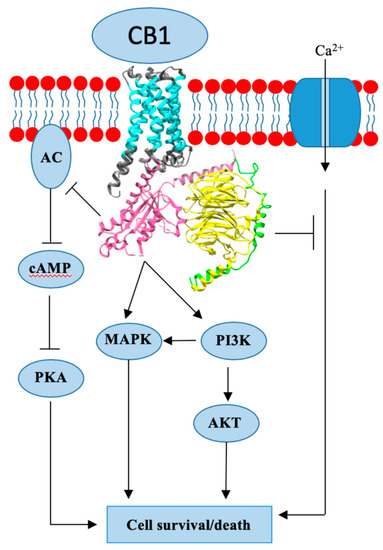
 “Metastatic breast cancer is prevalent worldwide, and one of the most common sites of metastasis are long bones. Of patients with disease, the major symptom is pain, yet current medications fail to adequately result in analgesic efficacy and present major undesirable adverse effects.
 “Radiotherapy combined with chemotherapy is the major treatment modality for human glioblastoma multiforme (GBM). GBMs eventually relapse after treatment and the average survival of GBM patients is less than two years.
 “Patients with non-small cell lung cancer (NSCLC) develop resistance to antitumor agents by mechanisms that involve the epithelial-to-mesenchymal transition (EMT). This necessitates the development of new complementary drugs, e.g.,