
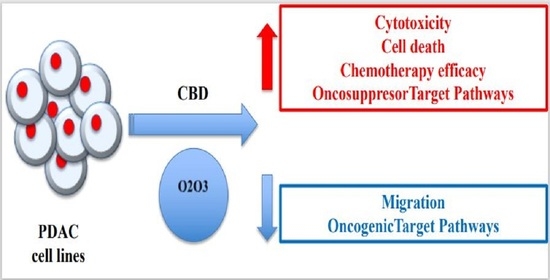
 “The anti-cancer effects of cannabinoids including CBD (Cannabidiol) and THC ((-)-trans-∆9-tetrahydrocannabinol) have been reported in the case of pancreatic cancer (PC).
The connection of these cannabinoids to KRas oncogenes that mutate in more than 90% of PC, and their effects on PD-L1, a key target of immune checkpoint blockade, have not been thoroughly investigated. Using cell lines and mouse models of PC, the effects of CBD and THC on cancer growth, the interaction between PC cells and a stromal cell, namely pancreatic stellate cells (PSCs), and the mechanism(s) involved were determined by cell-based assays and mouse study in vivo.
CBD and THC inhibited the proliferation of PC, PSC, and PSC-stimulated PC cells. They also suppressed pancreatic tumour growth in mice. Furthermore, CBD and/or THC reduced the expression of PD-L1 by either PC or PSC cells. Knockout of p-21 activated kinase 1 (PAK1, activated by KRas) in PC and PSC cells and, in mice, dramatically decreased or blocked these inhibitory effects of CBD and/or THC.
These results indicated that CBD and THC exerted their inhibitions on PC and PSC via a p-21 activated kinase 1 (PAK1)-dependent pathway, suggesting that CBD and THC suppress Kras activated pathway by targeting PAK1. The inhibition by CBD and THC of PD-L1 expression will enhance the immune checkpoint blockade of PC.”
 “Providers need to be better equipped to discuss medical cannabis with patients even if they are not willing to prescribe it. The oncology community would be well served to ensure that providers are aware of existing cannabis research and are able to incorporate it into their communications with patients instead of leaving patients to figure out medical cannabis on their own.”
 “Pancreatic cancer (PC) is related to lifestyle risks, chronic inflammation, and germline mutations in BRCA1/2, ATM, MLH1, TP53, or CDKN2A. Surgical resection and adjuvant chemotherapy are the main therapeutic strategies but are less effective in patients with high-grade tumors.


 “The recent announcement of marijuana legalization in Canada spiked many discussions about potential health benefits of Cannabis sativa.
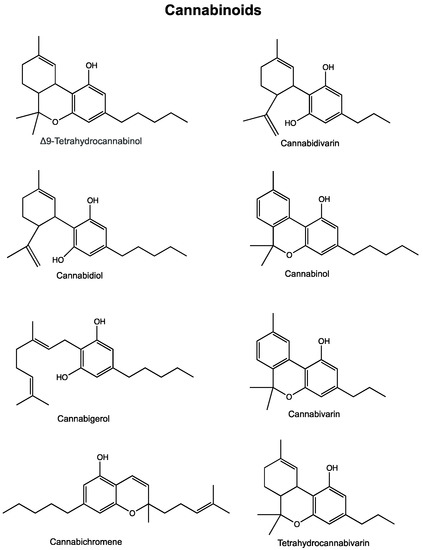
 “Phytocannabinoids are unique terpenophenolic compounds predominantly produced in the glandular trichomes of the cannabis plant (Cannabis sativa L.). The delta-9- tetrahydrocannabinol (THC) is the main active constituent responsible for the plant’s psychoactive effect and, together with the non- psychoactive cannabidiol (CBD), the most investigated naturally occurring cannabinoid.
 “Pancreatic cancer is particularly refractory to modern therapies, with a 5-year survival rate for patients at a dismal 8%.