
“Chemical investigation of the pollen grain collected from male plants of Cannabis sativa L. resulted in the isolation for the first time of two flavonol glycosides from the methanol extract, and the identification of 16 cannabinoids in the hexane extract. The two glycosides were identified as kaempferol 3-O-sophoroside and quercetin 3-O-sophoroside by spectroscopic methods including high-field two-dimensional NMR experiments. The characterisation of each cannabinoid was performed by GC-FID and GC-MS analyses and by comparison with both available reference cannabinoids and reported data. The identified cannabinoids were delta9-tetrahydrocannabiorcol, cannabidivarin, cannabicitran, delta9-tetrahydrocannabivarin, cannabicyclol, cannabidiol, cannabichromene, delta9-tetrahydrocannabinol, cannabigerol, cannabinol, dihydrocannabinol, cannabielsoin, 6a, 7, 10a-trihydroxytetrahydrocannabinol, 9, 10-epoxycannabitriol, 10-O-ethylcannabitriol, and 7, 8-dehydro-10-O-ethylcannabitriol.”
Tag Archives: cannabis
Recent advances in Cannabis sativa research: biosynthetic studies and its potential in biotechnology.
“Cannabinoids, consisting of alkylresorcinol and monoterpene groups, are the unique secondary metabolites that are found only in Cannabis sativa. Tetrahydrocannabinol (THC), cannabidiol (CBD) and cannabichromene (CBC) are well known cannabinoids and their pharmacological properties have been extensively studied. Recently, biosynthetic pathways of these cannabinoids have been successfully established. Several biosynthetic enzymes including geranylpyrophosphate:olivetolate geranyltransferase, tetrahydrocannabinolic acid (THCA) synthase, cannabidiolic acid (CBDA) synthase and cannabichromenic acid (CBCA) synthase have been purified from young rapidly expanding leaves of C. sativa. In addition, molecular cloning, characterization and localization of THCA synthase have been recently reported. THCA and cannabigerolic acid (CBGA), its substrate, were shown to be apoptosis-inducing agents that might play a role in plant defense. Transgenic tobacco hairy roots expressing THCA synthase can produce THCA upon feeding of CBGA. These results open the way for biotechnological production of cannabinoids in the future.”
Plant-derived cannabinoids modulate the activity of transient receptor potential channels of ankyrin type-1 and melastatin type-8.
“… we have reported here for the first time the potent and efficacious modulatory effects by some phytocannabinoids on TRPA1- and TRPM8-mediated [Ca2+]ielevation…
Our findings suggest that phytocannabinoids and cannabis extracts exert some of their pharmacological actions also by interacting with TRPA1 and TRPM8 channels, with potential implications for the treatment of pain and cancer.”
The effect of cannabichromene on adult neural stem/progenitor cells.
“Apart from the psychotropic compound Δ(9)-tetrahydrocannabinol (THC), evidence suggests that other non-psychotropic phytocannabinoids are also of potential clinical use.
This study aimed at elucidating the effect of major non-THC phytocannabinoids on the fate of adult neural stem progenitor cells (NSPCs), which are an essential component of brain function in health as well as in pathology.
We tested three compounds: cannabidiol, cannabigerol, and cannabichromene (CBC), and found that CBC has a positive effect on the viability of mouse NSPCs during differentiation in vitro.
Taken together, our results suggest that CBC raises the viability of NSPCs while inhibiting their differentiation into astroglia, possibly through up-regulation of ATP and adenosine signalling.”
Marijuana Accessible to Children as a Cure for Epileptic Seizures
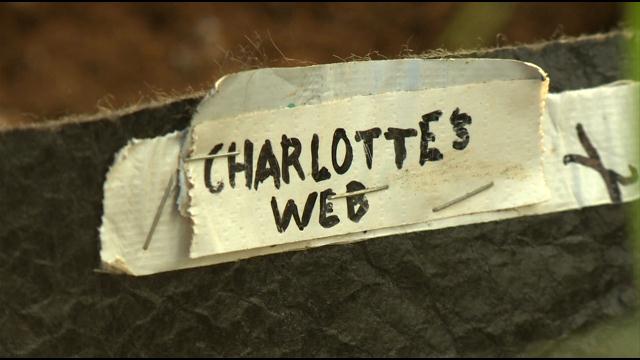
“Recently a 5-year-old child was administered a medical marijuana card, the youngest person to ever receive one. Her parents are nothing less than ecstatic, as this drug has worked wonders to reduce the amount and severity of her chronic, life-threatening epileptic seizures. This new found use for the highly controversial drug has been the reason for much debate, as well as hundreds of families deciding to relocate to Colorado, where marijuana is accessible to children to cure epileptic seizures…”
More: http://guardianlv.com/2014/02/marijuana-accessible-to-children-as-a-cure-for-epileptic-siezures/
Potential protective effects of cannabidiol on neuroanatomical alterations in cannabis users and psychosis: a critical review.
“…different cannabis compounds may exert opposite effects on the neuroanatomical changes underlying psychosis. In particular, cannabidiol (CBD) was shown to prevent THC associated hippocampal volume loss… This finding is further supported by several animal experiments supporting neuroprotective properties of CBD mainly via anti-oxidative effects, CB2 receptors or adenosine receptors… mechanisms by which CBD may reduce brain volume loss, including antagonism of THC, interactions with endocannabinoids, and mechanisms that specifically underlie antipsychotic properties of CBD.”
(+)-Cannabidiol analogues which bind cannabinoid receptors but exert peripheral activity only.
“We have tested a series of (+)-cannabidiol derivatives… for central and peripheral (intestinal, antiinflammatory and peripheral pain) effects in mice…
We conclude that centrally inactive (+)-cannabidiol analogues should be further developed as antidiarrheal, antiinflammatory and analgesic drugs for gastrointestinal and other peripheral conditions.”
Peripheral, but not central effects of cannabidiol derivatives: mediation by CB(1) and unidentified receptors.
“Delta-9 tetrahydrocannabinol (Delta(9)-THC) and (-)-cannabidiol ((-)-CBD) are major constituents of the Cannabis sativa plant with different pharmacological profiles…
We tested a series of (+)- and (-)-CBD derivatives for central and peripheral effects in mice…
We suggest that (+)-CBD analogues have mixed agonist/antagonist activity in the brain.
Second, (-)-CBD analogues which are devoid of cannabinoid receptor affinity but which inhibit intestinal motility, suggest the existence of a non-CB(1), non-CB(2) receptor.
Therefore, such analogues should be further developed as antidiarrheal and/or antiinflammatory drugs.
We propose to study the therapeutic potential of (-)- and (+)-CBD derivatives for complex conditions such as inflammatory bowel disease and cystic fibrosis.”
Antipsychotic profile of cannabidiol and rimonabant in an animal model of emotional context processing in schizophrenia.
“Clinical and neurobiological findings suggest that cannabinoids and their receptors are implicated in schizophrenia. Cannabidiol (CBD), a non-psychotomimetic compound of the Cannabis sativa plant, has been reported to have central therapeutic actions, such as antipsychotic and anxiolytic effects…
Our results suggest a potential therapeutical effect of CBD and rimonabant to treat the emotional processing impairment presented in schizophrenia.
In addition, our results reinforce the anxiolytic profile of CBD.”
Δ9-Tetrahydrocannabinol Treatment During Human Monocyte Differentiation Reduces Macrophage Susceptibility to HIV-1 Infection
“The major psychoactive component of marijuana, Δ9-tetrahydrocannabinol (THC), also acts to suppress inflammatory responses. Receptors for THC, CB1, CB2, and GPR55, are differentially expressed on multiple cell types including monocytes and macrophages, which are important modulators of inflammation in vivo and target cells for HIV-1 infection. Use of recreational and medicinal marijuana is increasing, but the consequences of marijuana exposure on HIV-1 infection are unclear. Ex vivo studies were designed to investigate effects on HIV-1 infection in macrophages exposed to THC during or following differentiation.
THC treatment of primary human monocytes during differentiation reduced HIV-1 infection…
THC treatment of monocytes during differentiation into MDMs suppresses HIV-1 infection.
Ultimately, the mechanism of THC suppression of HIV-1 infection was traced to a reduction in cell surface HIV receptor (CD4, CCR5 and CXCR4) expression that diminished entry efficiency.”