
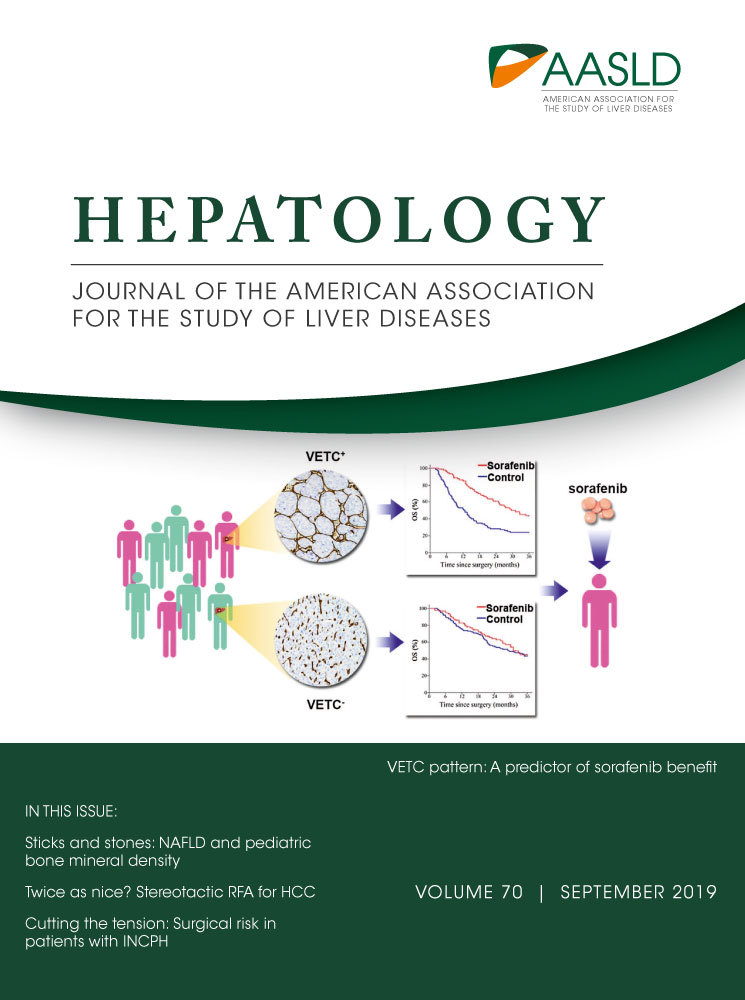
 “Hepatic cardiomyopathy, a special type of heart failure develops in up to 50% of patients with cirrhosis and is a major determinant of survival. However, there is no reliable model of hepatic cardiomyopathy in mice. Herein we aimed to characterize the detailed hemodynamics of mice with bile-duct ligation (BDL)-induced liver fibrosis, by monitoring echocardiography and intracardiac pressure-volume (PV) relationships and myocardial structural alterations. Treatment of mice with a selective cannabinoid-2 receptor (CB2 -R) agonist, known to attenuate inflammation and fibrosis, was used to explore the impact of liver inflammation, fibrosis on cardiac function.
MAIN RESULTS:
BDL induced massive inflammation (increased leukocyte infiltration, inflammatory cytokines and chemokines), oxidative stress, microvascular dysfunction, and fibrosis in the liver. These pathological changes were accompanied by impaired diastolic, systolic and macrovascular functions, cardiac inflammation (increased MIP1, interleukin-1, P-selectin, CD45+ cells) and oxidative stress (increased malondialdehyde, 3-nitrotyrosine and NADPH-oxidases). CB2 -R up-regulation was observed both in livers and hearts of mice exposed to BDL. CB2 -R activation markedly improved hepatic inflammation, impaired microcirculation, fibrosis. CB2 -R activation also decreased serum TNF-alpha levels, and improved cardiac dysfunction, myocardial inflammation and oxidative stress underlining the importance of inflammatory mediators in the pathology of hepatic cardiomyopathy.
CONCLUSION:
We propose BDL-induced cardiomyopathy in mice as a model for hepatic/cirrhotic cardiomyopathy. This cardiomyopathy, similarly to cirrhotic cardiomyopathy in humans, is characterized by systemic hypotension, impaired macro- and microvascular function accompanied by both systolic and diastolic dysfunction. Our results indicate that the liver-heart inflammatory axis has a pivotal pathophysiological role in the development of hepatic cardiomyopathy. Thus, controlling liver and/or myocardial inflammation (e.g. with selective CB2-R agonists) may delay/prevent the development of cardiomyopathy in severe liver disease. ”
https://www.ncbi.nlm.nih.gov/pubmed/31469200
https://aasldpubs.onlinelibrary.wiley.com/doi/abs/10.1002/hep.30916
 “Both types of
 “Medical and recreational cannabis use is increasing significantly, but its impacts on oral health remains unclear.
 “The biological effects of endocannabinoid system are mediated by two types of receptors,
 “Kidney ischemia reperfusion (IR) injury is an important health problem resulting in acute renal failure. After IR, the inflammatory and apoptotic process is triggered.
 “Cocaine abuse continues to be a serious health problem worldwide. Despite intense research there is currently no FDA-approved medication to treat cocaine use disorder. The recent search has been focused on agents targeting primarily the dopamine system, while limited success has been achieved at the clinical level.
 “Thanks to the success of modern antiretroviral therapy (ART), people living with HIV (PLWH) have life expectancies which approach that of persons in the general population. However, despite the ability of ART to suppress viral replication, PLWH have high levels of chronic systemic inflammation which drives the development of comorbidities such as cardiovascular disease, diabetes and non-AIDS associated malignancies.
 “Nuclear factor erythroid 2-related factor 2 (NRF2) is a pleiotropic transcription factor that has neuroprotective and anti-inflammatory effects, regulating more than 250 genes. As NRF2,
 “The G-protein coupled cannabinoid receptor 2 (CB2) has been implicated in the regulation of adult neurogenesis in the hippocampus. The contribution of CB2 towards basal levels of proliferation and the number of neural progenitors in the subgranular zone (SGZ) of the dentate gyrus, however, remain unclear. We stained hippocampal brain sections of 16- to 17-week-old wildtype and CB2-deficient mice, for neural progenitor and immature neuron markers doublecortin (DCX) and calretinin (CR) and for the proliferation marker Ki67 and quantified the number of positive cells in the SGZ. The quantification revealed that CB2 deficiency neither altered overall cell proliferation nor the size of the DCX+ or DCX and CR double-positive populations in the SGZ compared to control animals. The results indicate that CB2 might not contribute to basal levels of adult neurogenesis in four-month-old healthy mice. CB2 signaling might be more relevant in conditions where adult neurogenesis is dynamically regulated, such as neuroinflammation.”
 “β-caryophyllene (BCP) is a cannabinoid receptor 2 (CB2) agonist that tempers inflammation.