
 “Breast cancer is the leading cause of cancer-related death in women worldwide. In the last years, cannabinoids have gained attention in the clinical setting and clinical trials with cannabinoid-based preparations are underway. However, contradictory anti-tumour properties have also been reported. Thus, the elucidation of the molecular mechanisms behind their anti-tumour efficacy is crucial to better understand its therapeutic potential.
Considering this, our work aims to clarify the molecular mechanisms underlying the anti-cancer properties of the endocannabinoid anandamide (AEA) and of the phytocannabinoids, cannabidiol (CBD) and Δ9-tetrahydrocannabinol (THC), in estrogen receptor-positive (ER+) breast cancer cells that overexpress aromatase (MCF-7aro). Their in vitro effects on cell proliferation, cell death and activity/expression of aromatase, ERα, ERβ and AR were investigated.
Our results demonstrated that cannabinoids disrupted MCF-7aro cell cycle progression. Unlike AEA and THC that induced apoptosis, CBD triggered autophagy to promote apoptotic cell death. Interestingly, all cannabinoids reduced aromatase and ERα expression levels in cells. On the other hand, AEA and CBD not only exhibited high anti-aromatase activity but also induced up-regulation of ERβ. Therefore, all cannabinoids, albeit by different actions, target aromatase and ERs, impairing, in that way, the growth of ER+ breast cancer cells, which is dependent on estrogen signalling.
As aromatase and ERs are key targets for ER+ breast cancer treatment, cannabinoids can be considered as potential and attractive therapeutic compounds for this type of cancer, being CBD the most promising one. Thus, from an in vitro perspective, this work may contribute to the growing mass of evidence of cannabinoids and cannabinoids-based medicines as potential anti-cancer drugs.”
https://pubmed.ncbi.nlm.nih.gov/33722705/
“AEA and THC induce apoptosis in ER+ breast cancer cells, while CBD trigger autophagy to promote apoptosis. AEA, THC and CBD impair growth of ER+ breast cancer cells, by disrupting cycle progression. AEA, THC and CBD affect aromatase and ERα expression levels in ER+ breast cancer cells. AEA and CBD strongly inhibited aromatase activity and up-regulated ERβ levels. Cannabinoids are considered potential therapeutic compounds for ER+ breast cancer, being CBD the most promising one.”
https://www.sciencedirect.com/science/article/abs/pii/S0960076021000698?via%3Dihub
 “The rapid spread of COVID-19 underscores the need for new treatments.
 “Inflammasomes are cytoplasmic inflammatory signaling protein complexes that detect microbial materials, sterile inflammatory insults, and certain host-derived elements. Inflammasomes, once activated, promote caspase-1-mediated maturation and secretion of pro-inflammatory cytokines, interleukin (IL)-1β and IL-18, leading to pyroptosis. Current advances in inflammasome research support their involvement in the development of chronic inflammatory disorders in contrast to their role in regulating innate immunity.
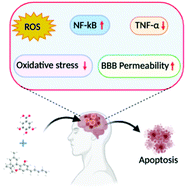
 “Cannabidiol (CBD) has been shown to slow cancer cell growth and is toxic to human glioblastoma cell lines. Thus, CBD could be an effective therapeutic for glioblastoma.
 “Endoplasmic reticulum (ER) stress is an imbalance between the ER’s protein-folding load and capacity. It can be induced by various physiological conditions, activating the unfolded protein response to re-establish homeostasis, promoting cell survival. Under severe or chronic stress, apoptosis is induced. Normal cells generally do not experience continuous ER stress induction. The stressful conditions experienced in the tumour microenvironment facilitates chronic ER stress and UPR activation, which plays a pivotal role in tumour survival.
 “Preclinical data suggest some cannabinoids may exert antitumour effects against glioblastoma (GBM). Safety and preliminary efficacy of nabiximols oromucosal cannabinoid spray plus dose-intense temozolomide (DIT) was evaluated in patients with first recurrence of GBM.
 “Glioblastoma is the most aggressive cancer among primary brain tumours. As with other cancers, the incidence of glioblastoma is increasing; despite modern therapies, the overall mean survival of patients post-diagnosis averages around 16 months, a figure that has not changed in many years. Cannabigerol (CBG) has only recently been reported to prevent the progression of certain carcinomas and has not yet been studied in glioblastoma. Here, we have compared the cytotoxic, apoptotic, and anti-invasive effects of the purified natural cannabinoid CBG together with CBD and THC on established differentiated glioblastoma tumour cells and glioblastoma stem cells. CBG and THC reduced the viability of both types of cells to a similar extent, whereas combining CBD with CBG was more efficient than with THC. CBD and CBG, both alone and in combination, induced caspase-dependent cell apoptosis, and there was no additive THC effect. Of note, CBG inhibited glioblastoma invasion in a similar manner to CBD and the chemotherapeutic temozolomide. We have demonstrated that THC has little added value in combined-cannabinoid glioblastoma treatment, suggesting that this psychotropic cannabinoid should be replaced with CBG in future clinical studies of glioblastoma therapy.”
 “Cannabis sativa contains more than 500 constituents, yet the anticancer properties of the vast majority of cannabis compounds remains unknown. We aimed to identify cannabis compounds and their combinations presenting cytotoxicity against bladder urothelial carcinoma (UC), the most common urinary system cancer.
 “Cannabidiol (CBD) is one of the most popular emerging plant extracts that is being investigated for its wide range of potential health benefits.