
 “Evidence suggests that activation of the endocannabinoid system offers cardioprotection.
Aberrant energy production by impaired mitochondria purportedly contributes to various aspects of cardiovascular disease. We investigated whether cannabinoid (CB) receptor activation would attenuate mitochondrial dysfunction induced by endothelin-1 (ET1).
Acute exposure to ET1 (4 h) in the presence of palmitate as primary energy substrate induced mitochondrial membrane depolarization, and decreased mitochondrial bioenergetics and expression of genes related to fatty acid oxidation (i.e. peroxisome proliferator-activated receptor-gamma coactivator (PGC)-1α, a driver of mitochondrial biogenesis, and carnitine palmitoyltransferase (CPT)-1β, facilitator of fatty acid uptake).
A CB1/CB2 dual agonist with limited brain penetration, CB-13, corrected these parameters. AMP-activated protein kinase (AMPK), an important regulator of energy homeostasis, mediated the ability of CB-13 to rescue mitochondrial function. In fact, the ability of CB-13 to rescue fatty acid oxidation-related bioenergetics, as well as expression of PGC-1α and CPT-1β, was abolished by pharmacological inhibition of AMPK using compound C and shRNA knockdown of AMPKα1/α2, respectively.
Interventions that target CB/AMPK signaling might represent a novel therapeutic approach to address the multi-factorial problem of cardiovascular disease.”
https://www.ncbi.nlm.nih.gov/pubmed/31815823
https://insights.ovid.com/crossref?an=00005344-900000000-98463
 “The endocannabinoid system (ECS), modulated by metabolites of linoleic acid (LA), is important in regulating cardiovascular function.
 “Epilepsy is a neurological disorder that affects approximately 50 million people worldwide.
 “The endocannabinoid system (ECS) has emerged in recent years as a potential treatment target for alcohol use disorders (AUD).

 “Endometriosis affects a large proportion of women during their reproductive years and is associated with pain and infertility, also affecting psychological wellbeing and quality of life. The pathogenesis of the disease remains unclear, although it is believed to be multifactorial.
 “Transcutaneous electrical nerve stimulation (TENS) promotes antinociception by activating the descending pain modulation pathway and consequently releasing endogenous analgesic substances.
 “Endocannabinoid system consists of
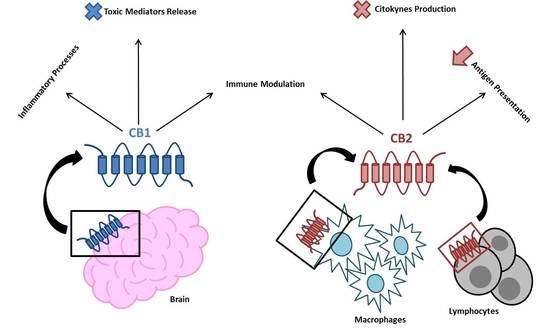
 “As we learn more about the endocannabinoid system (ECS), our understanding and grasp of the system’s ubiquitous presence is expanding. In light of this, there is also a growing body of evidence for the therapeutic potential of ECS modulation in a range of clinical situations. Strategies include for example manipulation of the
 “Excessive binge alcohol drinking may adversely affect cardiovascular function. In this study we characterize the detailed hemodynamic effects of an acute alcohol binge in mice using multiple approaches and investigate the role of the endocannabinoid-
