
 “Graft versus host disease (GVHD) pathophysiology is a complex interplay between cells that comprise the adaptive and innate arms of the immune system. Effective prophylactic strategies are therefore contingent upon approaches that address contributions from both immune cell compartments.
In the current study, we examined the role of the type 2 cannabinoid receptor (CB2R) which is expressed on nearly all immune cells and demonstrated that absence of the CB2R on donor CD4+ or CD8+ T cells, or administration of a selective CB2R pharmacological antagonist, exacerbated acute GVHD lethality. This was accompanied primarily by the expansion of proinflammatory CD8+ T cells indicating that constitutive CB2R expression on T cells preferentially regulated CD8+ T cell alloreactivity. Using a novel CB2R-EGFP reporter mouse, we observed significant loss of CB2R expression on T cells, but not macrophages, during acute GVHD, indicative of differential alterations in receptor expression under inflammatory conditions.
Therapeutic targeting of the CB2R with the agonists, tetrahydrocannabinol (THC) and JWH-133, revealed that only THC mitigated lethal T cell-mediated acute GVHD. Conversely, only JWH-133 was effective in a sclerodermatous chronic GVHD model where macrophages contribute to disease biology. In vitro, both THC and JWH-133 induced arrestin recruitment and ERK phosphorylation via CB2R, but THC had no effect on CB2R-mediated inhibition of adenylyl cyclase.
These studies demonstrate that the CB2R plays a critical role in the regulation of GVHD and suggest that effective therapeutic targeting is dependent upon agonist signaling characteristics and receptor selectivity in conjunction with the composition of pathogenic immune effector cells.”


 “Anxiety disorders in young people are frequently comorbid with other mental disorders and respond unsatisfactorily to first-line treatment in many cases.
 “Pharmaceutically purified oral cannabidiol (CBD) has been recently approved by the US Food and Drug Administration and European Medicines Agency as treatment of seizures associated with Dravet syndrome (DS) and Lennox-Gastaut syndrome (LGS), which are severe and difficult-to-treat developmental and epileptic encephalopathies with onset in early childhood.
 “Background/objectives: Use of cannabis is increasing in a variety of populations in the United States; however, few investigations about how and for what reasons cannabis is used in older populations exist.
 “Rett syndrome (RTT) is a rare neurologic disorder, characterized by severe behavioural and physiological symptoms. RTT is caused by mutations in the MECP2 gene in about 95% of cases and to date no cure is available.
 “∆ 9 -Tetrahydrocannabinol (∆9 -THC), the active phytocannabinoid in cannabis, is virtually an adjunct to the endogenous endocannabinoid signaling system.
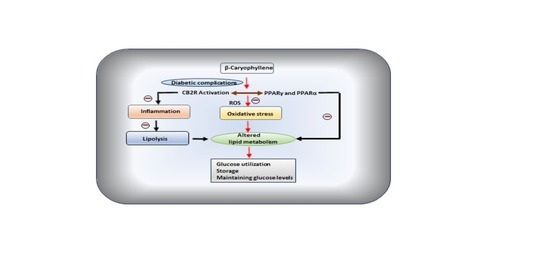
 “Diabetes mellitus (DM), a metabolic disorder is one of the most prevalent chronic diseases worldwide across developed as well as developing nations. Hyperglycemia is the core feature of the type 1 diabetes mellitus (T1DM) and type 2 diabetes mellitus (T2DM), following insulin deficiency and impaired insulin secretion or sensitivity leads insulin resistance (IR), respectively. Genetic and environmental factors attributed to the pathogenesis of DM and various therapeutic strategies are available for the prevention and treatment of T2DM.
 “Studies that have analyzed the association between cannabis use and acute ischemic stroke (AIS) have provided conflicting results.

 “Fibromyalgia is a complex disease process that is as prevalent as it is poorly understood. Research into the pathophysiology is ongoing, and findings will likely assist in identifying new therapeutic options to augment those in existence today that are still insufficient for the care of a large population of patients.