4-hydroxy-3-methoxy-acetophenone-mediated long-lasting memory recovery, hippocampal neuroprotection, and reduction of glial cell activation after transient global cerebral ischemia in rats.

“4-Hydroxy-3-methoxy-acetophenone (apocynin) is a naturally occurring methoxy-substitute catechol that is isolated from the roots of Apocynin cannabinum (Canadian hemp) and Picrorhiza kurroa (Scrophulariaceae).

It has been previously shown to have antioxidant and neuroprotective properties in several models of neurodegenerative disease, including cerebral ischemia.

The present study investigates the effects of apocynin on transient global cerebral ischemia (TGCI)-induced retrograde memory deficits in rats.

The protective effects of apocynin on neurodegeneration and the glial response to TGCI are also evaluated.

The present results confirm that TGCI causes memory impairment in the AvRM and that apocynin prevents these memory deficits and attenuates hippocampal neuronal death in a sustained way.

These findings support the potential role of apocynin in preventing neurodegeneration and cognitive impairments following TGCI in rats.

The long-term protective effects of apocynin may involve inhibition of the glial response.”

http://www.ncbi.nlm.nih.gov/pubmed/25702923

Effects of intra-infralimbic prefrontal cortex injections of cannabidiol in the modulation of emotional behaviors in rats: contribution of 5HT1A receptors and stressful experiences.

“The infralimbic (IL) and prelimbic (PL) regions of the prefrontal cortex are involved in behavioral responses observed during defensive reactions.

Intra-PL or IL injections of cannabidiol (CBD), a major non-psychotomimetic cannabinoid present in the Cannabis sativa plant, result in opposite behavioral effects in the contextual fear conditioning (CFC) paradigm…

Together these results indicate that CBD effects in the IL depend on the nature of the animal model, being influenced by previous stressful experiences and mediated by facilitation of 5HT1A receptors-mediated neurotransmission.”

http://www.ncbi.nlm.nih.gov/pubmed/25701682

Two non-psychoactive cannabinoids reduce intra-cellular lipid levels and inhibit hepatosteatosis.

“Obesity and associated metabolic syndrome have quickly become a pandemic and a major detriment to human health globally.

The presence of non-alcoholic fatty liver disease (NAFLD; hepatosteatosis) in obesity has been linked to the worsening of the metabolic syndrome, including the development of insulin resistance and cardiovascular disease. Currently, there are few options to treat NAFLD, including life style changes and insulin sensitizers.

Recent evidence suggests that the cannabinoids Δ9-tetrahydrocannabivarin (THCV) and cannabidiol (CBD) improve insulin sensitivity; we aimed at studying their effects on lipid levels…

THCV and CBD directly reduce accumulated lipid levels in vitro in a hepatosteatosis model and adipocytes.

…these cannabinoids are able to increase yolk lipid mobilization and inhibit the development of hepatosteatosis respectively.

CONCLUSIONS:

Our results suggest that THCV and CBD might be used as new therapeutic agents for the pharmacological treatment of obesity- and metabolic syndrome-related NAFLD/hepatosteatosis.”

http://www.ncbi.nlm.nih.gov/pubmed/25595882

http://www.thctotalhealthcare.com/category/obesity-2/

Reactive oxygen species-mediated therapeutic response and resistance in glioblastoma.

“Glioblastoma (GBM) resistance to therapy is the most common cause of tumor recurrence, which is ultimately fatal in 90% of the patients 5 years after initial diagnosis. A sub-population of tumor cells with stem-like properties, glioma stem cells (GSCs), is specifically endowed to resist or adapt to the standard therapies, leading to therapeutic resistance.

Several anticancer agents, collectively termed redox therapeutics, act by increasing intracellular levels of reactive oxygen species (ROS).

In this study, we investigated mechanisms underlying GSC response and resistance to cannabidiol (CBD), a non-toxic, non-psychoactive cannabinoid and redox modulator.

…we demonstrated that combining CBD treatment with the inhibition of system Xc resulted in synergistic ROS increase leading to robust antitumor effects, that is, decreased GSC survival, self-renewal, and invasion.

Our investigation provides novel mechanistic insights into the antitumor activity of redox therapeutics and suggests that combinatorial approaches using small molecule modulators of ROS offer therapeutic benefits in GBM.”

http://www.ncbi.nlm.nih.gov/pubmed/25590811

http://www.thctotalhealthcare.com/category/gllomas/


[The cannabinoid system and its importance in the perinatal period].

“The cannabinoid system has been recently described, including the endogenous ligands, mainly arachidonic acid derivatives, and their specific receptors. Endocannabinoids are involved in the modulation of synaptic transmission, through which they exert their psychoactive, motor and antinociceptive effects, among others; they also exert extraneural effects, mainly immunomodulation and vasodilation.

Recent data suggest that the cannabinoid system might play an important role in human ontogeny and could participate in the implantation and early development of the embryo, in fetal brain development, and in the beginning of breast feeding after birth.

In addition, the vasodilatory effect of cannabinoids, together with inhibition of the release of excitotoxic amino acids and cytokines, as well as modulation of oxidative stress and the toxic production of nitric oxide, justify the growing evidence pointing to a possible neuroprotective effect of cannabinoids in perinatal asphyxia.”

http://www.ncbi.nlm.nih.gov/pubmed/16266619

Cannabinoids Destroy Leukemia Cells, New Study Finds

(Photo: Alternative Medicine Solutions)

“New research from the University of London suggests chemicals in marijuana could be used to fight leukemia.

Published online in Anticancer Research, researchers at the Department of Oncology at St. George’s, University of London studied six different cannabinoids and found each to have anti-cancer action in leukemia cells.

Lead author Wai Liu, Ph.D explained the results of the latest study in Monday’s press release.

These agents are able to interfere with the development of cancerous cells, stopping them in their tracks and preventing them from growing. In some cases, by using specific dosage patterns, they can destroy cancer cells on their own.

The scientists were able to replicate previous findings on the anti-cancer effects of THC – the compound in marijuana responsible for the high.

However, in the latest study, Dr. Liu’s team decided to focus on cannabinoids that lacked psychoactive activity, including cannabidiol (CBD), cannabigerol (CBG) and cannabigevarin (CBGV).

This study is a critical step in unpicking the mysteries of cannabis as a source of medicine. The cannabinoids examined have minimal, if any, hallucinogenic side effects, and their properties as anti-cancer agents are promising.

The non-psychoactive cannabinoids were shown to inhibit growth of leukemia cells at all stages of the cell cycle. Interestingly, the team observed even greater effects when different cannabinoids were administered together.

“These compounds are inexpensive to produce”

Dr. Liu says drugs derived from cannabis are much cheaper to produce than traditional cancer therapies. He also thinks they could be combined with existing treatments to enhance their effects.

Used in combination with existing treatment, we could discover some highly effective strategies for tackling cancer. Significantly, these compounds are inexpensive to produce and making better use of their unique properties could result in much more cost effective anti-cancer drugs in future.

Dr. Liu’s next study will investigate the potential of cannabinoids when combined with existing treatments as well as different treatment schedules that could maximize their anti-cancer activity.”

http://www.leafscience.com/2013/10/14/cannabinoids-destroy-leukemia-cells-new-study-finds/

http://www.thctotalhealthcare.com/category/leukemia/

Shona Banda cured her terminal Crohn’s disease with cannabis

Image result for shona banda

“Shona Banda was diagnosed with Crohn’s disease… She underwent several surgeries and was put on several pharmaceuticals, but her condition worsened progressively until she was considered terminal. She was bedridden… wasting away… She was waiting to die.

She managed to see Rick Simpson’s Run from the Cure…” 

“RUN FROM THE CURE: The Rick Simpson Story – A Film by Christian Laurette”  https://www.youtube.com/watch?v=aGjC4HReFL0

“Although she had been smoking marijuana to ease pain and help her sleep and eat, she had no way of making the oil, which required a pound of marijuana to produce the two ounces of cannabis oil she would need to heal.

Shona was in a funk about the lack of enough hemp to make her own oil when her husband noticed specks of oil residue in the inside of the vaporizer’s glass globe cover.

So she took the inhalation tube out of the vaporizer and sealed it, then simply collected those little blobs of oil from the inside of the glass globe with a spatula.

She did this three times a day, putting the collected oil residue into a capsule and taking it. After a very few days, Shona could walk without a cane. Soon she began eating and sleeping better and putting on weight. It wasn’t long before she was completely weened off all her pharmaceuticals.

She started a journal as she began getting better. The journal has become a book called Live Free or Die. The title is a reference to health freedom. Now she is very healthy and active.”

http://www.naturalnews.com/043718_chrons_disease_cannabis_shona_banda.html

“Crohn’s Disease Survivor Shona Banda Tells How Medical Marijuana Oil Helps Her “Live Free””  https://www.youtube.com/watch?v=x_otUB7pVMA

“Ben Swann Radio: Shona Banda Explains Her Remarkable Story On How Cannabis Oil Saved Her Life. After being diagnosed with Crohn’s disease in 2002, Shona Banda went through the struggles that many suffer with when battling the autoimmune disease. On the Ben Swann Radio Show, Ben and Shona discussed her tribulations while suffering from the disease and her immediate experiences after finding the cure to her disease.”
http://benswann.com/ben-swann-radio-shona-banda-explains-her-remarkable-story-on-how-cannabis-oil-saved-her-life/#ixzz32d6WqrPM

https://www.facebook.com/shona.banda

https://www.facebook.com/pages/Shona-Bandas-Live-Free-or-Die/146496222049591

http://www.thctotalhealthcare.com/category/crohns-disease/


Marijuana Rated Most Effective for Treating Fibromyalgia

marijuana graph

“Medical marijuana is far more effective at treating symptoms of fibromyalgia than any of the three prescription drugs approved by the Food and Drug Administration to treat the disorder.

That is one of the surprise findings in an online survey of over 1,300 fibromyalgia patients conducted by the National Pain Foundation and National Pain Report.”

Cymbalta graph

Lyrica graph

Savella graph.”

“The FDA has approved only three drugs – Cymbalta, Lyrica and Savella — for the treatment of fibromyalgia.”

http://americannewsreport.com/nationalpainreport/marijuana-rated-most-effective-for-treating-fibromyalgia-8823638.html

http://www.thctotalhealthcare.com/category/fibromyalgia/


Miracle Drug: Medical Marijuana Cures Child of Terminal Epilepsy

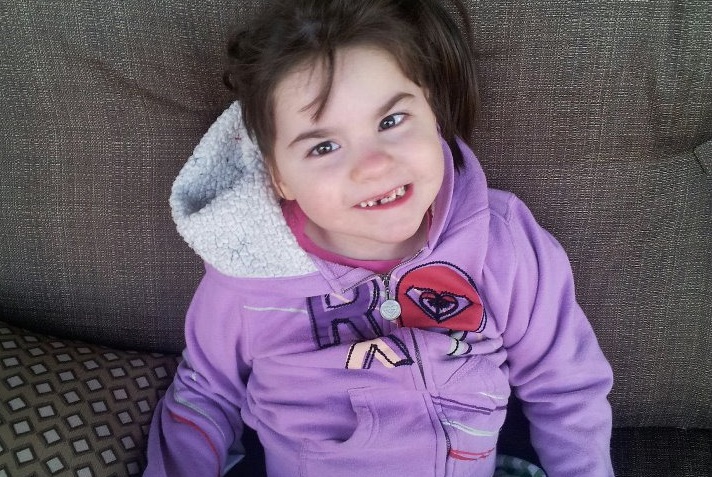
Mia Wilkinson

“Only until recently has medical marijuana received its deserved accolades by the mainstream media as a miracle drug; however, many in the medical industry are still leaving pot on the back-burner….until NOW.

A Canadian mother named Sarah Wilkinson has tangible claims about how cannabis has saved her disabled and once terminally ill daughter’s life.”

During an interview with the Toronto Sun, Wilkinson said “I assumed people who wanted it just wanted to get high” prior to her daughter’s marijuana use. However, once administering marijuana to her daughter with no other options from the pharmaceutical industry, Mia’s seizures went from 100 a day to 8 at most, changing her stance about the drug overnight. Results upon using the herb were immediate. Mia’s seizures ended within 24 hours of using the herb and now the Wilkinson’s don’t hesitate to call the drug a miracle.”

http://www.prweb.com/releases/2014/05/prweb11808330.htm

“Medical marijuana gives epileptic child new lease on life”  http://www.torontosun.com/2014/04/26/medical-marijuana-gives-epileptic-child-new-lease-on-life

“Medical Marijuana Helps Epileptic Child Suffering 100 Seizures a Day”  http://www.ibtimes.co.uk/medical-marijuana-helps-epileptic-child-suffering-100-seizures-day-1446463

“Marijuana Miracle: Epileptic Child Who Suffered 100 Seizures Daily ‘Gets Cured’ After Using the Herb”  http://au.ibtimes.com/articles/549768/20140428/marijuana-miracle-health-benefits-epilepsy-child-seizure.htm#.U2JQLehX-uY

http://www.thctotalhealthcare.com/category/epilepsy-2/

The draft genome and transcriptome of Cannabis sativa

“Cannabis sativa has been cultivated throughout human history as a source of fiber, oil and food, and for its medicinal and intoxicating properties.

The availability of the Cannabis sativa genome enables the study of a multifunctional plant that occupies a unique role in human culture. Its availability will aid the development of therapeutic marijuana strains with tailored cannabinoid profiles and provide a basis for the breeding of hemp with improved agronomic characteristics.”

http://www.ncbi.nlm.nih.gov/pmc/articles/PMC3359589/