
 “Posttraumatic stress disorder (PTSD) is an often chronic condition for which currently available medications have limited efficacy.
Medical cannabis is increasingly used to treat patients with PTSD; however, evidence for the efficacy and safety of cannabinoids is scarce. To learn more about patients’ opinions on and experiences with medical cannabis, we organized a focus group discussion among military veterans (N = 7) with chronic PTSD who were treated with medical cannabis. Afterwards, some of their partners (N = 4) joined the group for an evaluation, during which they shared their perspective on their partner’s use of medical cannabis.
Both sessions were audio-recorded, transcribed verbatim, and analyzed by means of qualitative content analysis. Five overarching themes were identified. The first four themes related to the different phases of medical cannabis use – namely, 1) Consideration; 2) Initiation; 3) Usage; and 4) Discontinuation. The fifth theme related to several general aspects of medical cannabis use.
Patients used medical cannabis to manage their symptoms and did not experience an urge to “get high.” They used a variety of different cannabis strains and dosages and reported several therapeutic effects, including an increased quality of sleep. Furthermore, discussions about the experienced stigma surrounding cannabis generated insights with implications for the initiation of medical cannabis use.
These results underscore the value of qualitative research in this field and are relevant for the design of future clinical trials on the use of medical cannabis for the treatment of PTSD.”
https://pubmed.ncbi.nlm.nih.gov/32576481/
“Reported therapeutic effects ranged from reduced anger and irritability to increased sleep quality and reductions in nightmares and night sweats.”
https://www.sciencedirect.com/science/article/pii/S0924977X20301280?via%3Dihub
 “Despite widespread legalization, the impact of medicinal cannabis use on patient-level health and quality of life (QOL) has not been carefully evaluated.
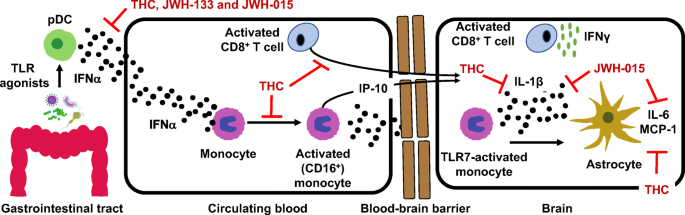
 “HIV infection affects an estimated 38 million people. Approximately 50% of HIV patients exhibit neurocognitive dysfunction termed HIV-Associated Neurocognitive Disorder (HAND). HAND is a consequence of chronic low-level neuroinflammation due to HIV entry into the brain. Initially, monocytes become activated in circulation and traffic to the brain. Monocytes, when activated, become susceptible to infection by HIV and can then carry the virus across the blood brain barrier. Once in the brain, activated monocytes secrete chemokines, which recruit virus-specific CD8+ T cells into the brain to further promote neuroinflammation. HAND is closely linked to systemic inflammation driven, in part, by HIV but is also due to persistent translocation of microorganisms across the GI tract. Persistent anti-viral responses in the GI tract compromise microbial barrier integrity. Indeed, HIV patients can exhibit remarkably high levels of activated (CD16+) monocytes in circulation.
 “Four states have legalized medical cannabis for the purpose of treating opioid use disorder. It is unclear whether
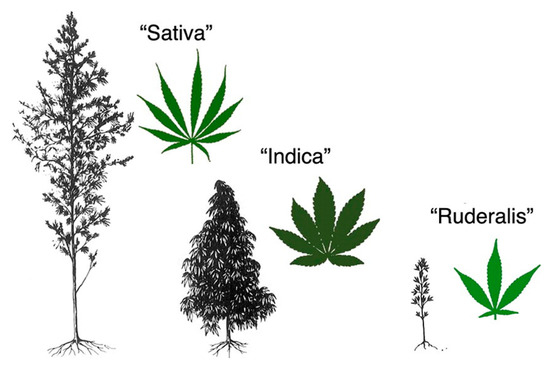
 “Cannabis sativa is an aromatic annual flowering plant with several botanical varieties, used for different purposes, like the production of fibers, the production of oil from the seeds, and especially for recreational or medical purposes.


 “Despite the increasing prevalence and acceptance of the medical
 “HIV infection leads to blood-brain barrier (BBB) dysfunction that does not resolve despite viral suppression on antiretroviral therapy and is associated with adverse clinical outcomes.
 “The aim of this study was to explore the effect of health-care providers’ attitudes towards the medical use of