Pharmacological Data of Cannabidiol- And Cannabigerol-Type Phytocannabinoids Acting on Cannabinoid CB 1, CB 2 and CB 1/CB 2 Heteromer Receptors

Pharmacological Research“Background: Recent approved medicines whose active principles are Δ9Tetrahidrocannabinol (Δ9-THC) and/or cannabidiol (CBD) open novel perspectives for other phytocannabinoids also present in Cannabis sativa L. varieties. Furthermore, solid data on the potential benefits of acidic and varinic phytocannabinoids in a variety of diseases are already available. Mode of action of cannabigerol (CBG), cannabidiolic acid (CBDA), cannabigerolic acid (CBGA), cannabidivarin (CBDV) and cannabigerivarin (CBGV) is, to the very least, partial.

Hypothesis/purpose: Cannabinoid CB1 or CB2 receptors, which belong to the G-protein-coupled receptor (GPCR) family, are important mediators of the action of those cannabinoids. Pure CBG, CBDA, CBGA, CBDV and CBGV from Cannabis sativa L. are differentially acting on CB1 or CB2 cannabinoid receptors.

Study design: Determination of the affinity of phytocannabinoids for cannabinoid receptors and functional assessment of effects promoted by these compounds when interacting with cannabinoid receptors.

Methods: A heterologous system expressing the human versions of CB1 and/or CB2 receptors was used. Binding to membranes was measured using radioligands and binding to living cells using a homogenous time resolved fluorescence resonance energy transfer (HTRF) assay. Four different functional outputs were assayed: determination of cAMP levels and of extracellular-signal-related-kinase phosphorylation, label-free dynamic mass redistribution (DMR) and ß-arrestin recruitment.

Results: Affinity of cannabinoids depend on the ligand of reference and may be different in membranes and in living cells. All tested phytocannabinoids have agonist-like behavior but behaved as inverse-agonists in the presence of selective receptor agonists. CBGV displayed enhanced potency in many of the functional outputs. However the most interesting result was a biased signaling that correlated with differential affinity, i.e. the overall results suggest that the binding mode of each ligand leads to specific receptor conformations underlying biased signaling outputs.

Conclusion: Results here reported and the recent elucidation of the three-dimensional structure of CB1 and CB2 receptors help understanding the mechanism of action that might be protective and the molecular drug-receptor interactions underlying biased signaling.”

https://pubmed.ncbi.nlm.nih.gov/32470563/

https://www.sciencedirect.com/science/article/abs/pii/S1043661820312482?via%3Dihub

Acute Inflammation and Pathogenesis of SARS-CoV-2 Infection: Cannabidiol as a Potential Anti-Inflammatory Treatment?

Cytokine & Growth Factor Reviews

“Cannabidiol to decrease SARS-CoV-2 associated inflammation.

Cannabidiol (CBD) is a phytocannabinoid with various clinical applications and has proven efficacy for certain medical conditions, along with a favorable safety and tolerability profile.

Cannabinoids can suppress immune activation and inflammatory cytokine production, suggesting their potential for tempering excessive inflammation.

Therefore, as SARS-CoV2 induces significant damage through pro-inflammatory cytokine storm mediated by macrophages and other immune cells and based on the fact that CBD has broad anti-inflammatory properties, CBD might represent as a potential anti-inflammatory therapeutic approach against SARS-CoV2-induced inflammation.

As CBD is already a therapeutic agent used in clinical medicine and has a favorable safety profile, the results of in vitro and animal model proof-of-concept studies would provide the necessary supporting evidence required before embarking on costly and labor-intensive clinical trials.”

https://pubmed.ncbi.nlm.nih.gov/32467020/

https://www.sciencedirect.com/science/article/pii/S1359610120301040?via%3Dihub

Cannabis Phytomolecule ‘Entourage’: From Domestication to Medical Use.


Trends in Plant Science: Special issue: Specifi...“Cannabis has been used as a medicine for millennia.

Crude extracts of cannabis inflorescence contain numerous phytomolecules, including phytocannabinoids, terpenes, and flavonoids. Combinations of phytomolecules have been recently established as superior to the use of single molecules in medical treatment owing to the ‘entourage effect’.

Two types of entourage effects are defined: ‘intra-entourage’, resulting from interactions among phytocannabinoids or terpenes, and ‘inter-entourage’, attributed to interactions between phytocannabinoids and terpenes. It is suggested that the phytomolecule assemblages found in cannabis chemovars today derive from selective breeding during ancient cultivation.

We propose that the current cannabis chemotaxonomy should be redefined according to chemical content and medicinal activity. In parallel, combinations of phytomolecules that exhibit entourage activity should be explored further for future drug development.”

https://www.ncbi.nlm.nih.gov/pubmed/32417167

“Cannabis has been used for millennia by humanity for social, ritual, and medical purposes. Humans bred and selected for cannabis strains based on their needs.”

https://www.cell.com/trends/plant-science/pdf/S1360-1385(20)30122-9.pdf?_returnURL=https%3A%2F%2Flinkinghub.elsevier.com%2Fretrieve%2Fpii%2FS1360138520301229%3Fshowall%3Dtrue

Biological potential of varinic-, minor-, and acidic phytocannabinoids.

Pharmacological Research“While natural Δ9-tetrahidrocannabinol (Δ9THC), cannabidiol (CBD), and their therapeutic potential have been extensively researched, some cannabinoids have not been widely investigated.

The present article compiles data from the literature that highlights research on and the therapeutic possibilities of lesser known phytocannabinoids, which we have divided into varinic, acidic, and “minor” (i.e., cannabinoids that are not present in high quantities in common varieties of Cannabis sativa L).

A growing interest in these compounds, which are enriched in some cannabis varieties, has already resulted in enough preclinical information to show that they are promising therapeutic agents for a variety of diseases.

Each phytocannabinoid has a “preferential” mechanism of action, and often target the cannabinoid receptors CB1 and/or CB2. The recent resolution of the structure of cannabinoid receptors demonstrates the atypical nature of cannabinoid binding, and that different binding modes depend on the agonist or partial agonist/inverse agonist, which allows for differential signaling, even acting on the same cannabinoid receptor. In addition, other players and multiple signaling pathways may be targeted/engaged by phytocannabinoids, thereby expanding the mechanistic possibilities for therapeutic use.”

https://www.ncbi.nlm.nih.gov/pubmed/32416215

https://www.sciencedirect.com/science/article/abs/pii/S1043661820311099?via%3Dihub

Beneficial effects of the phytocannabinoid Δ9-THCV in L-DOPA-induced dyskinesia in Parkinson’s disease.

Neurobiology of Disease“The antioxidant and CB2 receptor agonist properties of Δ9-tetrahydrocannabivarin (Δ9-THCV) afforded neuroprotection in experimental Parkinson’s disease (PD), whereas its CB1 receptor antagonist profile at doses lower than 5 mg/kg caused anti-hypokinetic effects.

In the present study, we investigated the anti-dyskinetic potential of Δ9-THCV (administered i.p. at 2 mg/kg for two weeks), which had not been investigated before.

In summary, our data support the anti-dyskinetic potential of Δ9-THCV, both to delay the occurrence and to attenuate the magnitude of dyskinetic signs. Although further studies are clearly required to determine the clinical significance of these data in humans, the results nevertheless situate Δ9-THCV in a promising position for developing a cannabinoid-based therapy for patients with PD.”

https://www.ncbi.nlm.nih.gov/pubmed/32387338

“Δ9-THCV exhibited anti-dyskinetic properties in L-DOPA-treated Pitx3ak mutant mice. It delayed the onset of dyskinetic signs and reduced their neurochemical changes. It also reduced their intensity when given once dyskinesia was already present. This potential adds to other properties of Δ9-THCV as antiparkinsonian therapy.

In summary, our data support the anti-dyskinetic potential of Δ9-THCV to ameliorate adverse effects caused by L-DOPA, in particular delaying the occurrence and attenuating the magnitude of dyskinetic signs. This adds to its promising symptom-alleviating and neuroprotective properties described previously. Although further studies are clearly required to determine the clinical significance of these data in humans, the results nevertheless situate Δ9-THCV in a promising position for developing a cannabinoid-based therapy for PD patients.”

https://www.sciencedirect.com/science/article/pii/S0969996120301674?via%3Dihub

Full-Spectrum Cannabis Extract Microdepots Support Controlled Release of Multiple Phytocannabinoids for Extended Therapeutic Effect.

 Go to Volume 0, Issue ja“The therapeutic effect of the Cannabis plant largely depends on the presence and specific ratio of a spectrum of phytocannabinoids. While prescription of medicinal Cannabis for various conditions constantly grows, its consumption is mostly limited to oral or respiratory pathways, impeding its duration of action, bioavailability and efficacy. Herein, a long-acting formulation in the form of melt-printed polymeric microdepots for full-spectrum cannabidiol(CBD)-rich extract administration is described. When injected subcutaneously in mice, the microdepots facilitate sustained release of the encapsulated extract over a two-week period. The prolonged delivery results in elevated serum levels of multiple, major and minor, phytocannabinoids for over 14 days, compared to Cannabis extract injection. A direct analysis of the microdepots retrieved from the injection site gives rise to an empirical model for the release kinetics of the phytocannabinoids as a function of their physical traits. As a proof of concept, we compare the long-term efficacy of a single administration of the microdepots to a single administration of Cannabis extract in pentylenetetrazol-induced convulsions model. One week following administration, the microdepots reduce the incidence of tonic-clonic seizures by 40%, increase the survival rate by 50%, and the latency to first tonic-clonic seizures by 170%. These results suggest that a long-term full-spectrum Cannabis delivery system may provide new form of Cannabis administration and treatments.”

https://www.ncbi.nlm.nih.gov/pubmed/32369348

https://pubs.acs.org/doi/10.1021/acsami.0c04435

Inhibitory Effect of Cannabidiol on the Activation of NLRP3 Inflammasome Is Associated with Its Modulation of the P2X7 Receptor in Human Monocytes.

 Go to Volume 0, Issue 0“Cannabidiol (CBD), a phytocannabinoid, has been reported to have anti-inflammatory effects associated with NLRP3 inflammasome activation, but its mechanism of anti-inflammasome action remains unclear.

Herein, we report CBD’s effect on NLRP3 inflammasome activation and its modulation of P2X7, an inflammasome activation-related receptor, in human THP-1 monocytes.

Overall, the observed CBD suppressive effect on NLRP3 inflammasome activation in THP-1 monocytes was associated with decreased potassium efflux, as well as in silico prediction of P2X7 receptor binding.

CBD inhibitory effects on the NLRP3 inflammasome may contribute to the overall anti-inflammatory effects reported for this phytocannabinoid.”

https://www.ncbi.nlm.nih.gov/pubmed/32374168

https://pubs.acs.org/doi/10.1021/acs.jnatprod.0c00138

Abstract Image

Altered dopamine D3 receptor gene expression in MAM model of schizophrenia is reversed by peripubertal cannabidiol treatment.

Biochemical Pharmacology“Gestational methylazoxymethanol acetate (MAM) treatment produces offspring with adult phenotype relevant to schizophrenia, including positive- and negative-like symptoms, cognitive deficits, dopaminergic dysfunction, structural and functional abnormalities.

Here we show that adult rats prenatally treated with MAM at gestational day 17 display significant increase in dopamine D3 receptor (D3) mRNA expression in prefrontal cortex (PFC), hippocampus and nucleus accumbens, accompanied by increased expression of dopamine D2 receptor (D2) mRNA exclusively in the PFC. Furthermore, a significant change in the blood perfusion at the level of the circle of Willis and hippocampus, paralleled by the enlargement of lateral ventricles, was also detected by magnetic resonance imaging (MRI) techniques.

Peripubertal treatment with the non-euphoric phytocannabinoid cannabidiol (30 mg/kg) from postnatal day (PND) 19 to PND 39 was able to reverse in MAM exposed rats: i) the up-regulation of the dopamine D3 receptor mRNA (only partially prevented by haloperidol 0.6 mg/kg/day); and ii) the regional blood flow changes in MAM exposed rats. Molecular modelling predicted that cannabidiol could bind preferentially to dopamine D3 receptor, where it may act as a partial agonist according to conformation of ionic-lock, which is higly conserved in GPCRs.

In summary, our results demonstrate that the mRNA expression of both dopamine D2 and D3 receptors is altered in the MAM model; however only the transcript levels of D3 are affected by cannabidiol treatment, likely suggesting that this gene might not only contribute to the schizophrenia symptoms but also represent an unexplored target for the antipsychotic activity of cannabidiol.”

https://www.ncbi.nlm.nih.gov/pubmed/32360362

https://www.sciencedirect.com/science/article/abs/pii/S000629522030232X?via%3Dihub

SARS-CoV2 induced respiratory distress: Can Cannabinoids be added to anti-viral therapies to reduce lung inflammation?

Brain, Behavior, and Immunity“Coronavirus disease-2019 (COVID-19), caused by Severe Acute Respiratory Syndrome coronoavirus-2 (SARS-CoV2) has emerged as a global pandemic, which was first reported in Wuhan, China. Recent reports have suggested that acute infection is associated with a cytokine superstorm, which contributes to the symptoms of fever, cough, muscle pain and in severe cases bilateral interstitial pneumonia characterized by ground glass opacity and focal chest infiltrates that can be visualized on computerized tomography scans. Currently, there are no effective antiviral drugs or vaccines against SARS-CoV2. In the recent issue of BBI, Zhang et al. thoroughly summarized the current status of potential therapeutic strategies for COVID-19. One of them, anti-IL6 receptor (Tocilizumab) antibody, resulted in clearance of lung consolidation and recovery in 90% of the 21 treated patients. Although promising, it has also produced adverse effects like pancreatitis and hypertriglyceridemia, which make it imperative to explore effective alternative anti-inflammatory strategies. Here, we intend to highlight the potential effects of cannabinoids, in particular, the non-psychotropic cannabidiol (CBD), that has shown beneficial anti-inflammatory effects in pre-clinical models of various chronic inflammatory diseases and is FDA approved for seizure reduction in children with intractable epilepsy.

Like Δ9-tetrahydrocannabinol (Δ9-THC), the most well-studied cannabinoid, CBD decreased lung inflammation in a murine model of acute lung injury potentially through the inhibition of proinflammatory cytokine production by immune cells and suppressing exuberant immune responses. CBD can inhibit the production of proinflammatory cytokines like interleukin (IL)-2, IL-6, IL-1α and β, interferon gamma, inducible protein-10, monocyte chemoattractant protein-1, macrophage inflammatory protein-1α, and tumor necrosis factor-α that have been associated with SARS-CoV2 induced multi-organ pathology and mortality. In a murine model of chronic asthma, CBD reduced proinflammatory cytokine production, airway inflammation and fibrosis. Moreover, CBD can effectively inhibit the JAK-STAT pathway including the production and action of type I interferons without leading to addiction, alterations in heart rate or blood pressure and adverse effects on the gastrointestinal tract and cognition. In simian immunodeficiency virus (SIV)-infected rhesus macaques (RMs), we reported THC mediated attenuation of IFN stimulated gene expression in the intestine. Similar to CBD, chronic THC administration blocked inflammation induced fibrosis in lymph nodes of chronically SIV-infected RMs. Unlike THC, CBD has a high margin of safety and is well tolerated pharmacologically even after treatments of up to 1500 mg/day for two weeks in both animals and humans, which suggests its feasibility to reduce SARS-CoV2 induced lung inflammation/pathology and disease severity.

The many uncertainties associated with the COVID-19 pandemic such as status of the economy, employment and loss of connection can fuel depression, fear and anxiety. CBD has shown promise as an alternative therapy for the clinical management of anxiety disorders. Based on its anxiolytic and anti-depressant properties, it has been suggested that CBD could be used to improve the mental and somatic health of patients suffering from anxiety and emotional stress after recovering from Ebola disease. Like Ebola, patients recovering from COVID-19 may experience various psychological and social stressors that may be triggered by residual chronic inflammation and autoimmune reactions. Therefore, randomized clinical trials to test the efficacy of CBD on alleviating anxiety and fear associated with COVID-19 infection and its consequences on people’s physical, social and psychological well-being may be beneficial in the future. Additionally, severely ill COVID-19 patients exhibited neurological symptoms like cerebrovascular disease, headache and disturbed consciousness (Reviewed in. Brain edema, neuronal degeneration and presence of SARS-CoV2 in the cerebrospinal fluid (CSF) were confirmed at autopsy. Therefore, longitudinal CSF sampling using non-human primate (NHP) studies may help clarify whether and when SARS-CoV2 invades the brain, and if this happens, does it result in neuroinflammation and more importantly, whether cannabinoids can modulate these events.

Being a negative allosteric modulator of the cannabinoid receptor-1, CBD can counter the psychotropic effects of THC when co-administered with THC. Although Remdesivir reduced the mortality rate of seriously ill COVID-19 patients needing invasive ventilation, similar studies in rhesus macaques revealed minimal subpleural inflammatory cellular infiltrates in the lungs of clinically recovered Remdesivir treated RMs at necropsy. This suggests persistence of inflammation and may partly explain the 20–30% reduction in lung function in COVID-19 patients after recovery, which if left unresolved may lead to pulmonary fibrosis. Collectively, these findings support the investigation of cannabinoids as a plausible option to be added as an adjunct to Remdesivir or any new antivirals on SARS-CoV2 induced lung inflammation.”

https://www.ncbi.nlm.nih.gov/pubmed/32360437

https://www.sciencedirect.com/science/article/pii/S0889159120307078?via%3Dihub

“Cannabis Indica speeds up Recovery from Coronavirus”   https://www.researchgate.net/publication/339746853_Cannabis_Indica_speeds_up_Recovery_from_Coronavirus


Cannabidiol and Other Non-Psychoactive Cannabinoids for Prevention and Treatment of Gastrointestinal Disorders: Useful Nutraceuticals?

ijms-logo“Cannabis sativa is an aromatic annual flowering plant with several botanical varieties, used for different purposes, like the production of fibers, the production of oil from the seeds, and especially for recreational or medical purposes.
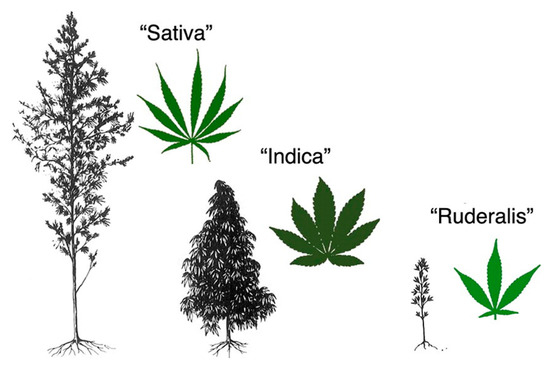
Phytocannabinoids (terpenophenolic compounds derived from the plant), include the well-known psychoactive cannabinoid Δ9-tetrahydrocannabinol, and many non-psychoactive cannabinoids, like cannabidiol.

The endocannabinoid system (ECS) comprises of endocannabinoid ligands, enzymes for synthesis and degradation of such ligands, and receptors. This system is widely distributed in the gastrointestinal tract, where phytocannabinoids exert potent effects, particularly under pathological (i.e., inflammatory) conditions.

Herein, we will first look at the hemp plant as a possible source of new functional food ingredients and nutraceuticals that might be eventually useful to treat or even prevent gastrointestinal conditions.

Subsequently, we will briefly describe the ECS and the general pharmacology of phytocannabinoids. Finally, we will revise the available data showing that non-psychoactive phytocannabinoids, particularly cannabidiol, may be useful to treat different disorders and diseases of the gastrointestinal tract.

With the increasing interest in the development of functional foods for a healthy life, the non-psychoactive phytocannabinoids are hoped to find a place as nutraceuticals and food ingredients also for a healthy gastrointestinal tract function.”

https://www.ncbi.nlm.nih.gov/pubmed/32357565

https://www.mdpi.com/1422-0067/21/9/3067