
Inflammaging and Cannabinoids

Ageing Research Reviews“Aging is a complex phenomenon associated with a wide spectrum of physical and physiological changes affecting every part of all metazoans, if they escape death prior to reaching maturity. Critical to survival, the immune system evolved as the principal component of response to injury and defense against pathogen invasions. Because how significantly immune system affects and is affected by aging, several neologisms now appear to encapsulate these reciprocal relationships, such as Immunosenescence. The central part of Immunosenescence is Inflammaging -a sustained, low-grade, sterile inflammation occurring after reaching reproductive prime. Once initiated, the impact of Inflammaging and its adverse effects determine the direction and magnitudes of further Inflammaging. In this article, we review the nature of this vicious cycle, we will propose that phytocannabinoids as immune regulators may possess the potential as effective adjunctive therapies to slow and, in certain cases, reverse the pathologic senescence to permit a more healthy aging.”

https://pubmed.ncbi.nlm.nih.gov/34662745/

“The beneficial effects of cannabinoids may be considered as alternative therapy in treating age-related diseases.”

https://www.sciencedirect.com/science/article/pii/S1568163721002348?via%3Dihub

Hepatic Cannabinoid Signaling in the Regulation of Alcohol-Associated Liver Disease

Logo of arcr“Purpose: The endocannabinoid system has emerged as a key regulatory signaling pathway in the pathophysiology of alcohol-associated liver disease (ALD). More than 30 years of research have established different roles of endocannabinoids and their receptors in various aspects of liver diseases, such as steatosis, inflammation, and fibrosis. However, pharmacological applications of the endocannabinoid system for the treatment of ALD have not been successful because of psychoactive side effects, despite some beneficial effects. Thus, a more delicate and detailed elucidation of the mechanism linking the endocannabinoid system and ALD may be of paramount significance in efforts to apply the system to the treatment of ALD.

Search results: According to the inclusion and exclusion criteria, the authors selected 47 eligible full-text articles out of 2,691 searched initially. Studies in the past 3 decades revealed the opposite effects of cannabinoid receptors CB1R and CB2R on steatosis, inflammation, and fibrosis in ALD.

Discussion and conclusions: This review summarizes the endocannabinoid signaling in the general physiology of the liver, the pathogenesis of ALD, and some of the potential therapeutic implications of cannabinoid-based treatments for ALD.”

https://pubmed.ncbi.nlm.nih.gov/34646717/

“Over the past 30 years, it has been found that the endocannabinoid system is involved in a variety of pathways associated with the onset, or the progression, of several diseases, including ALD. The endocannabinoid system has been observed in both the hepatocytes and various nonparenchymal cells in the liver, in which the endocannabinoid production and its receptor activation may contribute to the development of a spectrum of ALD, ranging from simple alcoholic steatosis to more severe forms such as steatohepatitis and fibrosis. Therefore, understanding the precise physiology of the endocannabinoid system in the liver and unveiling the mechanism underlying the association between ALD progression and hepatic endocannabinoid signaling seem to bear a paramount significance for the advancement of ALD treatment, as well as for the treatment of other chronic liver diseases (e.g., NAFLD, viral hepatitis). Moreover, developing efficacious and highly selective cannabinoid receptor–modulating drugs could be a major breakthrough in the treatment of ALD.”

https://www.ncbi.nlm.nih.gov/pmc/articles/PMC8496755/

An external file that holds a picture, illustration, etc.
Object name is arcr-41-1-12f1.jpg

Cannabis Use Is Inversely Associated with Overweight and Obesity in Hepatitis B Virus-Infected Patients (ANRS CO22 Hepather Cohort)

View details for Cannabis and Cannabinoid Research cover image“Chronic hepatitis B virus (HBV) infection may evolve into cirrhosis and hepatocellular carcinoma, and this progression may be accelerated by specific risk factors, including overweight and obesity. Although evidence for a protective effect of cannabis use on elevated body weight has been found for other populations, no data are available for HBV-infected patients. 

Aims: We aimed to identify risk factors (including cannabis use) for overweight and obesity in patients with HBV chronic infection. 

Methods: Using baseline data from the French ANRS CO22 Hepather cohort, we performed two separate analyses, one using “central obesity” (based on waist circumference) and the other “overweight” and “obesity” (based on body mass index) as outcomes. Logistic and multinomial regressions were used to model central obesity and overweight/obesity, respectively. 

Results: Among the 3706 patients in the study population, 50.8% had central obesity, 34.7% overweight, and 14.4% obesity. After multivariable adjustment, current cannabis use was associated with a 59% lower risk of central obesity compared with no lifetime use (adjusted odds ratio [95% CI]: 0.41 [0.24 to 0.70]). It was also associated with a 54% and 84% lower risk of overweight (adjusted relative risk ratio [95% CI]: 0.46 [0.27 to 0.76]) and obesity (0.16 [0.04 to 0.67]), respectively. 

Conclusions: Cannabis use was associated with lower risks of overweight and obesity in patients with HBV chronic infection. Future studies should test whether these potential benefits of cannabis and cannabinoid use translate into reduced liver disease progression in this high-risk population.”

https://pubmed.ncbi.nlm.nih.gov/34648718/

https://www.liebertpub.com/doi/10.1089/can.2021.0094

Novel CBG Derivatives Can Reduce Inflammation, Pain and Obesity

molecules-logo“Interest in CBG (cannabigerol) has been growing in the past few years, due to its anti-inflammatory properties and other therapeutic benefits.
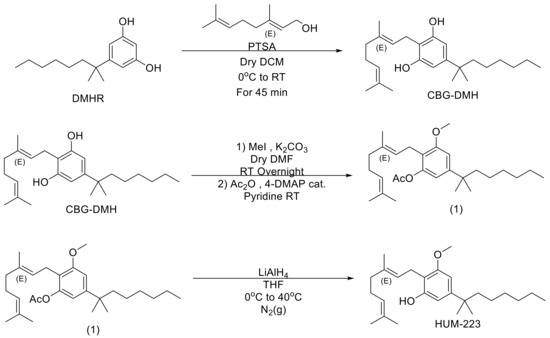
Here we report the synthesis of three new CBG derivatives (HUM-223, HUM-233 and HUM-234) and show them to possess anti-inflammatory and analgesic properties.

In addition, HUM-234 also prevents obesity in mice fed a high-fat diet (HFD). The metabolic state of the treated mice on HFD is significantly better than that of vehicle-treated mice, and their liver slices show significantly less steatosis than untreated HFD or CBG-treated ones from HFD mice.

We believe that HUM-223, HUM-233 and HUM-234 have the potential for development as novel drug candidates for the treatment of inflammatory conditions, and in the case of HUM-234, potentially for obesity where there is a huge unmet need.”

https://pubmed.ncbi.nlm.nih.gov/34577072/

https://www.mdpi.com/1420-3049/26/18/5601

The potential of cannabinoids and inhibitors of endocannabinoid degradation in respiratory diseases

European Journal of Pharmacology“The global incidence of respiratory diseases and complications is increasing. Therefore, new methods of treatment, as well as prevention, need to be investigated.

A group of compounds that should be considered for use in respiratory diseases is cannabinoids. There are three groups of cannabinoids – plant-derived phytocannabinoids, synthetic cannabinoids, and endogenous endocannabinoids including the enzymes responsible for their synthesis and degradation.

All cannabinoids exert their biological effects through either type 1 cannabinoid receptors (CB1) and/or type 2 cannabinoid receptors (CB2). In numerous studies (in vitro and in vivo), cannabinoids and inhibitors of endocannabinoid degradation have shown beneficial anti-inflammatory, antioxidant, anti-cancer, and anti-fibrotic properties.

Although in the respiratory system, most of the studies have focused on the positive properties of cannabinoids and inhibitors of endocannabinoid degradation. There are few research reports discussing the negative impact of these compounds. This review summarizes the properties and mechanisms of action of cannabinoids and inhibitors of endocannabinoid degradation in various models of respiratory diseases.

A short description of the effects selected cannabinoids have on the human respiratory system and their possible use in the fight against COVID-19 is also presented. Additionally, a brief summary is provided of cannabinoid receptors properties and their expression in the respiratory system and cells of the immune system.”

https://pubmed.ncbi.nlm.nih.gov/34648805/

“Phytocannabinoids are terpenophenolic compounds produced by specialized parts of the Cannabis sativa plant and are found in high concentrations in marijuana and hashish. In most of models, these compounds have shown positive biological properties. Anti-inflammatory, anti-oxidant, anti-cancer and anti-fibrotic actions are especially emphasized.”

https://www.sciencedirect.com/science/article/pii/S0014299921007160?via%3Dihub

Activity of THC, CBD, and CBN on Human ACE2 and SARS-CoV1/2 Main Protease to Understand Antiviral Defense Mechanism

“THC, CBD, and CBN were reported as promising candidates against SARS-CoV2 infection, but the mechanism of action of these three cannabinoids is not understood.

This study aims to determine the mechanism of action of THC, CBD, and CBN by selecting two essential targets that directly affect the coronavirus infections as viral main proteases and human angiotensin-converting enzyme2.

Tested THC and CBD presented a dual-action action against both selected targets. Only CBD acted as a potent viral main protease inhibitor at the IC50 value of 1.86 ± 0.04 µM and exhibited only moderate activity against human angiotensin-converting enzyme2 at the IC50 value of 14.65 ± 0.47 µM.

THC acted as a moderate inhibitor against both viral main protease and human angiotensin-converting enzymes2 at the IC50 value of 16.23 ± 1.71 µM and 11.47 ± 3.60 µM, respectively.

Here, we discuss cannabinoid-associated antiviral activity mechanisms based on in silico docking studies and in vitro receptor binding studies.”

https://pubmed.ncbi.nlm.nih.gov/34638139/

https://www.thieme-connect.de/products/ejournals/abstract/10.1055/a-1581-3707

Lung cancer patient who had declined conventional cancer treatment: could the self-administration of ‘CBD oil’ be contributing to the observed tumour regression?

b-on, bliblioteca do conhecimento online | BMJ“Conventional lung cancer treatments include surgery, chemotherapy and radiotherapy; however, these treatments are often poorly tolerated by patients. Cannabinoids have been studied for use as a primary cancer treatment. Cannabinoids, which are chemically similar to our own body’s endocannabinoids, can interact with signalling pathways to control the fate of cells, including cancer cells. We present a patient who declined conventional lung cancer treatment. Without the knowledge of her clinicians, she chose to self-administer ‘cannabidiol (CBD) oil’ orally 2-3 times daily. Serial imaging shows that her cancer reduced in size progressively from 41 mm to 10 mm over a period of 2.5 years. Previous studies have failed to agree on the usefulness of cannabinoids as a cancer treatment. This case appears to demonstrate a possible benefit of ‘CBD oil’ intake that may have resulted in the observed tumour regression. The use of cannabinoids as a potential cancer treatment justifies further research.”

https://pubmed.ncbi.nlm.nih.gov/34649854/

“Patient’s perspective

“I was not very interested in traditional cancer treatments as I was worried about the risks of surgery, and I saw my late husband suffer through the side effects of radiotherapy. My relative suggested that I should try ‘cannabidiol (CBD) oil’ to treat my cancer, and I have been taking it regularly ever since. I am ‘over the moon’ with my cancer shrinking, which I believe was caused by the ‘CBD oil’. I am tolerating it very well and I intend to take this treatment indefinitely.””

https://casereports.bmj.com/content/14/10/e244195

“Cannabis oil led to lung cancer regression in 80-year-old woman: Report”

https://www.freepressjournal.in/world/cannabis-oil-led-to-lung-cancer-regression-in-80-year-old-woman-report

“Case Report: Lung Cancer Shrinks in Patient Using CBD Oil”

https://www.medscape.com/viewarticle/960949

“Daily use of cannabidiol (‘CBD’) oil may be linked to lung cancer regression”

https://www.bmj.com/company/newsroom/daily-use-of-cannabidiol-cbd-oil-may-be-linked-to-lung-cancer-regression/

Cannabidiol enhances verbal episodic memory in healthy young participants: A randomized clinical trial

Journal of Psychiatric Research“Cannabis contains a multitude of different compounds. One of them, cannabidiol – a non-psychoactive substance – might counteract negative effects of Δ-9-Tetrahydrocannabinol on hippocampus-dependent memory impairment.

The aim of the present study was to investigate the effect of vaping cannabidiol on verbal episodic memory in healthy young subjects.

We used a double-blind, placebo-controlled, randomized crossover trial in 39 healthy young subjects. Participants received once a single dose of cannabidiol e-liquid (0.25 ml, 5% cannabidiol, 12.5 mg cannabidiol) and once placebo for vaping after learning 15 unrelated nouns. The primary outcome measure was the short delay verbal memory performance (number of correctly free recalled nouns) 20 min after learning. 34 participants (mean age: 22.26 [3.04]) completed all visits and entered analyses (17 received cannabidiol and 17 received placebo first).

Cannabidiol enhanced verbal episodic memory performance (placebo: 7.03 [2.34]; cannabidiol 7.71 [2.48]; adjusted group difference 0.68, 95% CI 0.01 to 1.35; R2β = .028, p = .048). Importantly, we did not detect medication effects on secondary outcome measures attention or working memory performance, suggesting that CBD has no negative impact on these basic cognitive functions.

The results are in line with the idea that vaping cannabidiol interacts with the central endocannabinoid system and is capable to modulate memory processes, a phenomenon with possible therapeutic potential. Further studies are needed to investigate optimal dose-response and time-response relationships.”

https://pubmed.ncbi.nlm.nih.gov/34536664/

“To conclude, while further research is needed to identify dose-response and time-response relationships, our results show that CBD can improve episodic memory, a drug effect with possible therapeutic potential.”

https://www.sciencedirect.com/science/article/pii/S002239562100546X?via%3Dihub

Cannabidiol Exposure During the Mouse Adolescent Period Is Without Harmful Behavioral Effects on Locomotor Activity, Anxiety, and Spatial Memory

Archive of "Frontiers in Behavioral Neuroscience".“Cannabidiol (CBD) is a non-intoxicating phytocannabinoid whose purported therapeutic benefits and impression of a high safety profile has promoted its increasing popularity.

CBD’s popularity is also increasing among children and adolescents who are being administered CBD, off label, for the treatment of numerous symptoms associated with autism spectrum disorder, attention deficit hyperactivity disorder, anxiety, and depression. The relative recency of its use in the adolescent population has precluded investigation of its impact on the developing brain and the potential consequences that may present in adulthood. Therefore, there’s an urgency to identify whether prolonged adolescent CBD exposure has substantive impacts on the developing brain that impact behavioral and cognitive processes in adulthood.

Here, we tested the effect of twice-daily intraperitoneal administrations of CBD (20 mg/kg) in male and female C57BL/6J mice during the adolescent period of 25-45 days on weight gain, and assays for locomotor behavior, anxiety, and spatial memory. Prolonged adolescent CBD exposure had no detrimental effects on locomotor activity in the open field, anxiety behavior on the elevated plus maze, or spatial memory in the Barnes Maze compared to vehicle-treated mice. Interestingly, CBD-treated mice had a faster rate of learning in the Barnes Maze. However, CBD-treated females had reduced weight gain during the exposure period.

We conclude that prolonged adolescent CBD exposure in mice does not have substantive negative impacts on a range of behaviors in adulthood, may improve the rate of learning under certain conditions, and impacts weight gain in a sex-specific manner.”

https://pubmed.ncbi.nlm.nih.gov/34512286/

“Cannabidiol (CBD) is one of the most abundant cannabinoids naturally produced by the plant, Cannabis sativa, and the dominant phytocannabinoid produced by the hemp variety. We report that multiple daily doses of a moderate CBD dose throughout the adolescent developmental period does not negatively impact locomotor behavior, anxiety, and spatial learning in healthy C57BL/6J mice. Further, the faster acquisition rate of a spatial learning task may highlight CBD’s potential protective benefits against stressors.”

https://www.frontiersin.org/articles/10.3389/fnbeh.2021.711639/full

Targeting of Protein’s Messenger RNA for Viral Replication, Assembly and Release in SARS-CoV-2 Using Whole Genomic Data From South Africa: Therapeutic Potentials of Cannabis Sativa L

frontiers in pharmacology – Retraction Watch“The possible evolutionary trend of COVID-19 in South Africa was investigated by comparing the genome of SARS-CoV-2 isolated from a patient in KwaZulu-Natal, South Africa with those isolated from China, Spain, Italy, and United States, as well as the genomes of Bat SARS CoV, Middle East Respiratory Syndrome Coronavirus (MERS-CoV), Mouse Hepatitis Virus (MHV), and Infectious Bronchitis Virus (IBV). Phylogenetic analysis revealed a strong homology (96%) between the genomes of SARS-CoV-2 isolated from KwaZulu-Natal, South Africa and those isolated from the study countries as well as those isolated from bat SARS CoV, MERS-CoV, MHV and IBV.

The ability of phytocannabinoids from Cannabis sativa infusion to interact with gene segments (mRNAs) coding for proteins implicated in viral replication, assembly and release were also investiagted using computational tools. Hot water infusion of C. sativa leaves was freeze-dried and subjected to Gas Chromatography-Mass Spectroscopy analysis which revealed the presence of tetrahydrocannabivarin, cannabispiran, cannabidiol tetrahydrocannabinol, cannabigerol, and cannabinol. Molecular docking analysis revealed strong binding affinities and interactions between the phytocannabinoids and codon mRNAs for ORF1ab, Surface glycoprotein, Envelope protein and Nucleocapsid phosphoprotein from SARS-CoV-2 whole genome which may be due to chemico-biological interactions as a result of nucleophilic/electrophilic attacks between viral nucleotides and cannabinoids.

These results depict the spread of SARS-CoV-2 is intercontinental and might have evolved from other coronaviruses. The results also portray the phytocannabinoids of C. sativa infusion as potential therapies against COVID-19 as depicted by their ability to molecularly interact with codon mRNAs of proteins implicated in the replication, translation, assembly, and release of SARS-CoV-2. However, further studies are needed to verify these activities in pre-clinical and clinical studies.”

https://pubmed.ncbi.nlm.nih.gov/34539415/

“Taken together, the results from this study indicates a homology between the genome of SARS-CoV-2 isolated from KwaZulu-Natal, South Africa and those isolated from Europe, Asia and North America, as well as those isolated from bat SARS COV, MERS-CoV, MHV and IBV. Thus, depicting the spread of the virus is intercontinental and might have evolved from other coronaviruses. The results also indicate the phytocannabinoids of C. sativa infusion as potential therapies against COVID-19 as depicted by their ability to molecularly interact with codon mRNAs of proteins implicated in the replication, translation, assembly, and release of SARS-CoV-2.”

https://www.frontiersin.org/articles/10.3389/fphar.2021.736511/full