Add-on cannabidiol in patients with Dravet syndrome: Results of a long-term open-label extension trial

“Objective: Add-on cannabidiol (CBD) reduced seizures associated with Dravet syndrome (DS) in two randomized, double-blind, placebo-controlled trials: GWPCARE1 Part B (NCT02091375) and GWPCARE2 (NCT02224703). Patients who completed GWPCARE1 Part A (NCT02091206) or Part B, or GWPCARE2, were enrolled in a long-term open-label extension trial, GWPCARE5 (NCT02224573). We present an interim analysis of the safety, efficacy, and patient-reported outcomes from GWPCARE5.

Methods: Patients received a pharmaceutical formulation of highly purified CBD in oral solution (100 mg/ml), titrated from 2.5 to 20 mg/kg/day over a 2-week period, added to their existing medications. Based on response and tolerance, CBD could be reduced or increased to 30 mg/kg/day.

Results: Of the 330 patients who completed the original randomized trials, 315 (95%) enrolled in this open-label extension. Median treatment duration was 444 days (range = 18-1535), with a mean modal dose of 22 mg/kg/day; patients received a median of three concomitant antiseizure medications. Adverse events (AEs) occurred in 97% patients (mild, 23%; moderate, 50%; severe, 25%). Commonly reported AEs were diarrhea (43%), pyrexia (39%), decreased appetite (31%), and somnolence (28%). Twenty-eight (9%) patients discontinued due to AEs. Sixty-nine (22%) patients had liver transaminase elevations >3 × upper limit of normal; 84% were on concomitant valproic acid. In patients from GWPCARE1 Part B and GWPCARE2, the median reduction from baseline in monthly seizure frequency assessed in 12-week periods up to Week 156 was 45%-74% for convulsive seizures and 49%-84% for total seizures. Across all visit windows, ≥83% patients/caregivers completing a Subject/Caregiver Global Impression of Change scale reported improvement in overall condition.

Significance: We show that long-term CBD treatment had an acceptable safety profile and led to sustained, clinically meaningful reductions in seizure frequency in patients with treatment-resistant DS.”

https://pubmed.ncbi.nlm.nih.gov/34406656/

https://onlinelibrary.wiley.com/doi/10.1111/epi.17036

Cannabidiol reduces lesion volume and restores vestibulomotor and cognitive function following moderately severe traumatic brain injury

Experimental Neurology“Despite the high incidence of traumatic brain injury (TBI), there is no universal treatment to safely treat patients. Blunt brain injuries destroy primary neural tissue that results in impaired perfusion, excessive release of glutamate, inflammation, excitotoxicity, and progressive secondary neuronal cell death.

We hypothesized that administration of cannabidiol (CBD) directly to a brain contusion site, will optimize delivery to the injured tissue which will reduce local neural excitation and inflammation to spare neural tissue and improve neurological outcome following TBI.

CBD was infused into a gelfoam matrix forming an implant (CBDi), then applied over the dura at the contusion site as well as delivered systemically by injection (CBD.IP). Post-injury administration of CBDi+IP greatly reduced defecation scores, lesion volume, the loss of neurons in the ipsilateral hippocampus, the number of injured neurons of the contralateral hippocampus, and reversed TBI-induced glial fibrillary acidic protein (GFAP) upregulation which was superior to either CBD.IP or CBDi treatment alone.

Vestibulomotor performance on the beam-balance test was restored by 12 days post-TBI and sustained through 28 days. CBDi+IP treated rats exhibited preinjury levels of spontaneous alternation on the spontaneous alternation T-maze. In the object recognition test, they had greater mobility and exploration of novel objects compared to contusion or implant alone consistent with reduced anxiety and restored cognitive function.

These results suggest that dual therapy by targeting the site of injury internally with a CBD-infused medical carrier followed by systemic supplementation may offer a more effective countermeasure than systemic or implant treatment alone for the deleterious effects of penetrating head wounds.”

https://pubmed.ncbi.nlm.nih.gov/34428457/

“CBD improved vestibulomotor function and learning and memory cognitive performance post-TBI. Local delivery at the contusion site and systemic injection of CBD reduced TBI-induced lesion volume. Dual treatment, direct and systemic CBD, is superior to single treatment.”

https://www.sciencedirect.com/science/article/abs/pii/S0014488621002521?via%3Dihub

http://www.thctotalhealthcare.com/category/brain-trauma/

Cannabis sativa L. as a Natural Drug Meeting the Criteria of a Multitarget Approach to Treatment

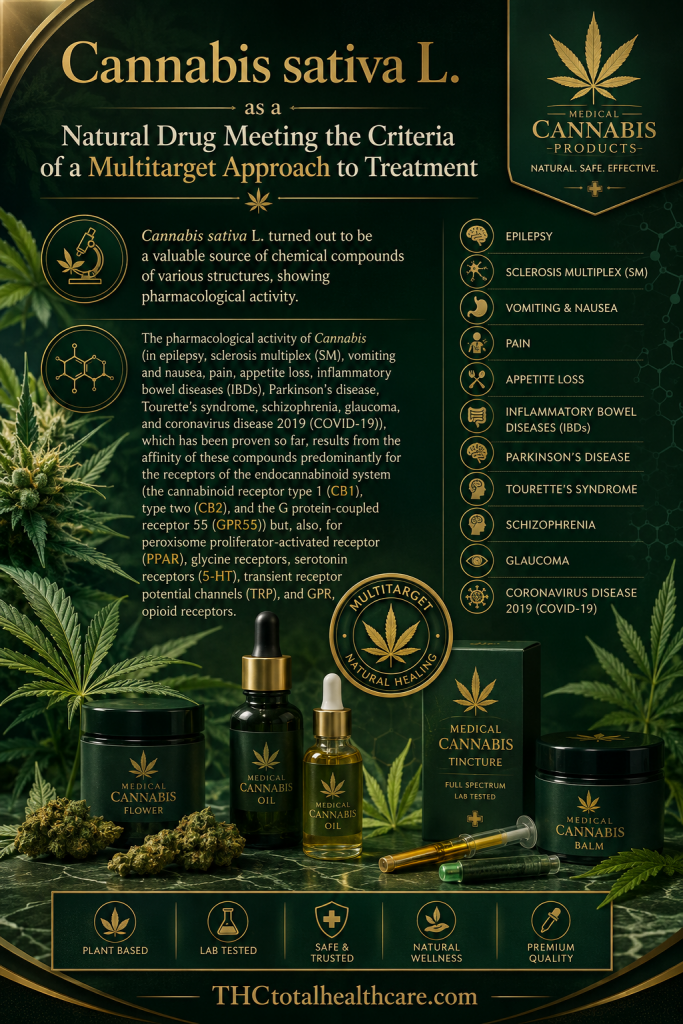
ijms-logo“Cannabis sativa L. turned out to be a valuable source of chemical compounds of various structures, showing pharmacological activity. The most important groups of compounds include phytocannabinoids and terpenes.

The pharmacological activity of Cannabis (in epilepsy, sclerosis multiplex (SM), vomiting and nausea, pain, appetite loss, inflammatory bowel diseases (IBDs), Parkinson’s disease, Tourette’s syndrome, schizophrenia, glaucoma, and coronavirus disease 2019 (COVID-19)), which has been proven so far, results from the affinity of these compounds predominantly for the receptors of the endocannabinoid system (the cannabinoid receptor type 1 (CB1), type two (CB2), and the G protein-coupled receptor 55 (GPR55)) but, also, for peroxisome proliferator-activated receptor (PPAR), glycine receptors, serotonin receptors (5-HT), transient receptor potential channels (TRP), and GPR, opioid receptors.

The synergism of action of phytochemicals present in Cannabis sp. raw material is also expressed in their increased bioavailability and penetration through the blood-brain barrier. This review provides an overview of phytochemistry and pharmacology of compounds present in Cannabis extracts in the context of the current knowledge about their synergistic actions and the implications of clinical use in the treatment of selected diseases.”

https://pubmed.ncbi.nlm.nih.gov/33466734/

https://www.mdpi.com/1422-0067/22/2/778

“The history of many drugs currently used in medicine has its origins in plant raw materials.”

“Cannabis sativa L. is one of the most ancient plant species used by humans for many purposes. Besides medicinal use, it also serves as a fiber; food; and is an important raw material for the production of rope, textiles, and paper.”

“The various pharmacological actions for selected combinations of chemical compounds present in Cannabis presented in this review constitute an argument for clinical effectiveness based on a multi-fragment affinity for multiple receptors. Therefore, the necessity to search for new indications of the pharmacological application of Cannabis products is justified with regards to the search for target points within the endocannabinoid system and outside of it.”

“The Endocannabinoid System: A Potential Target for the Treatment of Various Diseases”

https://pubmed.ncbi.nlm.nih.gov/34502379

Constituents of Cannabis Sativa

“The Cannabis sativa plant has been used medicinally and recreationally for thousands of years, but recently only relatively some of its constituents have been identified.
There are more than 550 chemical compounds in cannabis, with more than 100 phytocannabinoids being identified, including Δ9-tetrahydrocannabinol (THC) and cannabidiol (CBD).

These phytocannabinoids work by binding to the cannabinoid receptors, as well as other receptor systems. Also within cannabis are the aromatic terpenes, more than 100 of which have been identified.

Cannabis and its constituents have been indicated as therapeutic compounds in numerous medical conditions, such as pain, anxiety, epilepsy, nausea and vomiting, and post-traumatic stress disorder.

This chapter provides an overview of some of the biological effects of a number of the cannabinoids and terpenes, as well as discussing their known mechanisms of action and evidence of potential therapeutic effects.”

https://pubmed.ncbi.nlm.nih.gov/33332000/

https://link.springer.com/chapter/10.1007%2F978-3-030-57369-0_1

Cannabis sativa as a Treatment for Obesity: From Anti-Inflammatory Indirect Support to a Promising Metabolic Re-Establishment Target

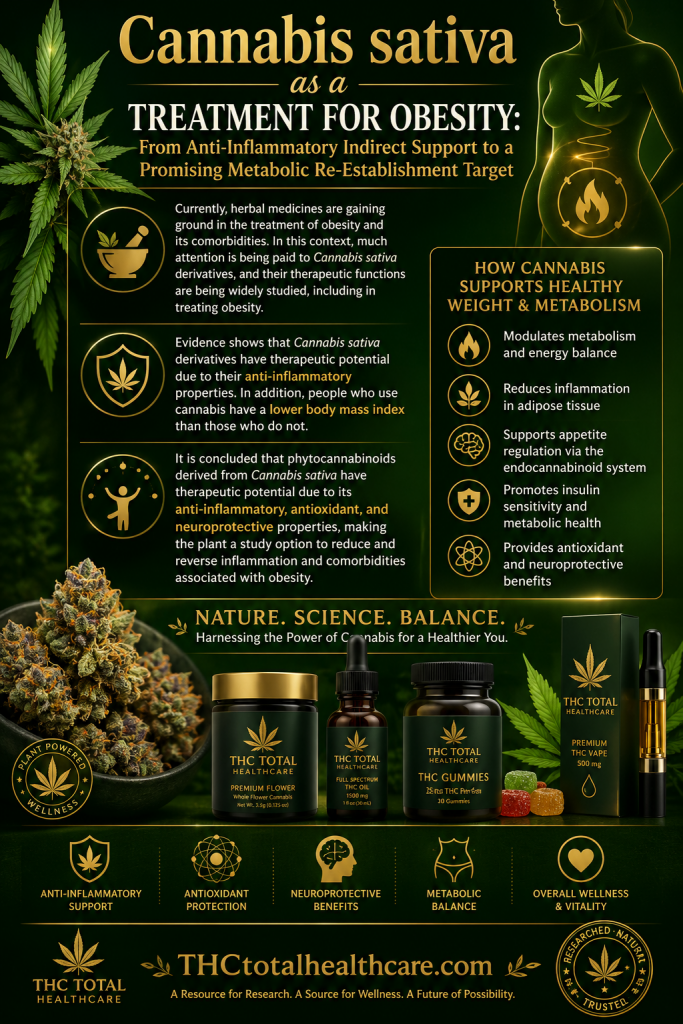
View details for Cannabis and Cannabinoid Research cover image“Introduction: Obesity is defined as an excess of accumulation of fat that can be harmful to health. Storage of excess fat in the adipose tissue triggers an inflammatory process, which makes obesity a low-grade chronic inflammatory disease. Obesity is considered a complex and multifactorial disease; hence, no intervention strategy appears to be an ideal treatment for all individuals. Therefore, new therapeutic alternatives are often studied for the treatment of this disease. Currently, herbal medicines are gaining ground in the treatment of obesity and its comorbidities. In this context, much attention is being paid to Cannabis sativa derivatives, and their therapeutic functions are being widely studied, including in treating obesity. 

Objective: Highlight the pharmacological properties of Δ9-tetrahydrocannabivarin (THCV), Δ9-tetrahydrocannabidinol (THC), and cannabidiol (CBD), the predominant isolated components of Cannabis sativa, as well as its therapeutic potential in the treatment of obesity. 

Results: Evidence shows that Cannabis sativa derivatives have therapeutic potential due to their anti-inflammatory properties. In addition, people who use cannabis have a lower body mass index than those who do not, making the plant an option to reduce and reverse inflammation and comorbidities in obesity. 

Conclusion: It is concluded that phytocannabinoids derived from Cannabis sativa have therapeutic potential due to its anti-inflammatory, antioxidant, and neuroprotective properties, making the plant a study option to reduce and reverse inflammation and comorbidities associated with obesity.”

https://pubmed.ncbi.nlm.nih.gov/34242511/

https://www.liebertpub.com/doi/10.1089/can.2021.0016

Δ 9 -Tetrahydrocannabinol promotes functional remyelination in the mouse brain

British Journal of Pharmacology“Background and purpose: Research on demyelinating disorders aims to find novel molecules that are able to induce oligodendrocyte precursor cell differentiation to promote central nervous system remyelination and functional recovery.

Δ9 -Tetrahydrocannabinol (THC), the most prominent active constituent of the hemp plant Cannabis sativa, confers neuroprotection in animal models of demyelination. However, the possible effect of THC on myelin repair has never been studied.

Experimental approach: By using oligodendroglia-specific reporter mouse lines in combination with two models of toxin-induced demyelination, we analysed the effect of THC on the processes of oligodendrocyte regeneration and functional remyelination.

Key results: We show that THC administration enhanced oligodendrocyte regeneration, white matter remyelination and motor function recovery. THC also promoted axonal remyelination in organotypic cerebellar cultures. THC remyelinating action relied on the induction of oligodendrocyte precursor differentiation upon cell cycle exit and via CB1 cannabinoid receptor activation.

Conclusions and implications: Overall, our study identifies THC administration as a promising pharmacological strategy aimed to promote functional CNS remyelination in demyelinating disorders.”

https://pubmed.ncbi.nlm.nih.gov/34216154/

“Our study provides a novel therapeutic advantage of THC-based interventions in multiple sclerosis by promoting remyelination and functional recovery. New clinical trials with improved designs on cannabinoids in people with multiple sclerosis are needed now, considering these compounds as potential remyelinating/disease-modifying drugs to try to overcome previous failures. Our work also suggests that at least part of the neuroprotective action of phytocannabinoids in multiple sclerosis animal models and potentially in patients as well may be due to an enhanced CNS remyelination. Finally, this study also identifies THC as a potent inductor of oligodendrocyte progenitor cell differentiation under demyelination in mice, opening the possibility for this molecule to become a candidate drug to promote oligodendrocyte regeneration and remyelination in the treatment of demyelinating disorders.”

https://bpspubs.onlinelibrary.wiley.com/doi/10.1111/bph.15608

Cannabinoids for skin diseases and hair regrowth

“The use of cannabis for skin diseases and hair regrowth is at the preliminary stage.
Legalization: Many countries have approved cannabis for medical use; however, four countries Canada, Uruguay, South Africa, and Georgia have legalized it for both medical and recreational purposes.

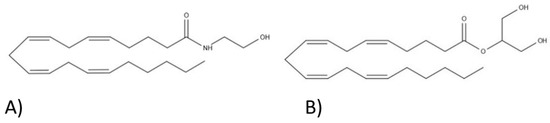
The endocannabinoid system: The endocannabinoid system may maintain skin homeostasis; two notable endocannabinoids include 2-Arachidonoylglycerol (2-AG) and N-arachidonoylethanolamine (AEA).

Routes of administration and pharmacokinetics: Topical cannabinoids can avoid the first-pass metabolism and reduce respiratory side effects; however, the high hydrophobicity of cannabinoids may hinder percutaneous absorption.

Skin disorders and hair growth: Human clinical studies suggest that cannabinoids may be used in eczema, acne, pruritus, and systemic sclerosis treatment. Cannabidiol (CBD) may enhance hair growth via multiple mechanisms.

Safety: Topical cannabis may cause mild side effects such as pruritus, burning, erythema, and stinging; they are relatively safer than inhalation and oral cannabis. Cannabis use may be associated with allergic symptoms and reduced immune response to live vaccination.

Cannabinoids in practice: Despite growing interest, dermatologists should be cautious prescribing cannabinoids due to insufficient clinical data on both efficacy and safety.”

https://pubmed.ncbi.nlm.nih.gov/34363728/

https://onlinelibrary.wiley.com/doi/10.1111/jocd.14352


A Novel Mechanism of Cannabidiol in Suppressing Hepatocellular Carcinoma by Inducing GSDME Dependent Pyroptosis

Frontiers in Cell and Developmental Biology - Institut de Myologie“Cannabidiol (CBD), a phytochemical derived from Cannabis sativa L., has been demonstrated to exhibit promising anti-tumor properties in multiple cancer types. However, the effects of CBD on hepatocellular carcinoma (HCC) cells remain unknown. We have shown that CBD effectively suppresses HCC cell growth in vivo and in vitro, and induced HCC cell pyroptosis in a caspase-3/GSDME-dependent manner. We further demonstrated that accumulation of integrative stress response (ISR) and mitochondrial stress may contribute to the initiation of pyroptotic signaling by CBD. Simultaneously, CBD can repress aerobic glycolysis through modulation of the ATF4-IGFBP1-Akt axis, due to the depletion of ATP and crucial intermediate metabolites. Collectively, these observations indicate that CBD could be considered as a potential compound for HCC therapy.”

https://pubmed.ncbi.nlm.nih.gov/34350183/

“Hepatocellular carcinoma (HCC) is an extremely malignant cancer, accounting for almost 95% of primary liver cancer cases. Cannabidiol (CBD), a phytochemical derived from Cannabis sativa L., has been shown to have anti-tumor activity and to be a potential compound for tumor therapy. Previous studies have demonstrated that CBD treatment could effectively induce cell apoptosis in tumor cells. In this study, we have shown that CBD can effectively suppress HCC cell growth both in vitro and in vivo, which was similar to the anti-tumor activity of CBD observed in other cancer types. In summary, a mechanistic model of CBD anti-tumor activity in HCC cell pyroptosis and growth was demonstrated. All the observations described herein reveal a novel mechanism of the anti-tumor activity of CBD in HCC cells, suggesting that CBD could be considered as a promising compound for HCC therapy.”

https://www.frontiersin.org/articles/10.3389/fcell.2021.697832/full

Combination therapy with cannabidiol and chemotherapeutics in canine urothelial carcinoma cells

“Background: Canine urothelial carcinoma is the most common form of canine bladder cancer. Treatment with chemotherapy has variable response rates leading to most dogs succumbing to their disease within a year. Cannabidiol is an emerging treatment within the field of oncology. In reported in vivo studies, cannabidiol has induced apoptosis, reduced cell migration, and acted as a chemotherapy sensitizer in various human tumor types. The aim of this study was to characterize the effects of cannabidiol on canine urothelial carcinoma cell viability and apoptosis as both a single agent and in combination with chemotherapy in vitro.

Results: Cannabidiol reduced cell viability and induced apoptosis in canine urothelial cells as determined by crystal violet viability assay and annexin V/propidium iodide flow cytometry. Furthermore, combinations of cannabidiol with mitoxantrone and vinblastine chemotherapy yielded significantly reduced cell viability and increased apoptosis compared to single agent treatment alone. The drug interactions were deemed synergistic based on combination index calculations. Conversely, the combination of cannabidiol and carboplatin did not result in decreased cell viability and increased apoptosis compared to single agent treatment. Combination index calculations suggested an antagonistic interaction between these drugs. Finally, the combination of the non-steroidal anti-inflammatory drug piroxicam with cannabidiol did not significantly affect cell viability, although, some cell lines demonstrated decreased cell viability when mitoxantrone was combined with piroxicam.

Conclusions: Cannabidiol showed promising results as a single agent or in combination with mitoxantrone and vinblastine for treatment of canine urothelial carcinoma cells. Further studies are justified to investigate whether these results are translatable in vivo.”

https://pubmed.ncbi.nlm.nih.gov/34352013/

“Cannabidiol (CBD) is a phytocannabinoid derived from the Cannabis sativa plant with well-documented analgesic, anti-inflammatory, and anxiolytic effects. This study determined that CBD treatment reduced viability and induced cell death in canine urothelial carcinoma cells in vitro. Taken together, these results suggest that CBD may be a potential treatment for use in combination with chemotherapeutic agents to improve canine UC carcinoma response rates and survival.”

https://journals.plos.org/plosone/article?id=10.1371/journal.pone.0255591


An overview on plants cannabinoids endorsed with cardiovascular effects

Biomedicine & Pharmacotherapy“Nowadays cardiovascular diseases (CVDs) are the major causes for the reduction of the quality of life.

The endocannabinoid system is an attractive therapeutic target for the treatment of cardiovascular disorders due to its involvement in vasomotor control, cardiac contractility, blood pressure and vascular inflammation. Alteration in cannabinoid signalling can be often related to cardiotoxicity, circulatory shock, hypertension, and atherosclerosis.

Plants have been the major sources of medicines until modern eras in which researchers are experiencing a rediscovery of natural compounds as novel therapeutics.

One of the most versatile plant is Cannabis sativa L., containing phytocannabinoids that may play a role in the treatment of CVDs.

The aim of this review is to collect and investigate several less studied plants rich in cannabinoid-like active compounds able to interact with cannabinoid system; these plants may play a pivotal role in the treatment of disorders related to the cardiovascular system.”

https://pubmed.ncbi.nlm.nih.gov/34332376/

“Cannabis sativa L. is the most investigated source of phytocannabinoids. Other plants are a rich source of cannabinoid-like compounds. Cannabinoid-like compounds may interact with cannabinoid system. Most of them may exhibit a protective role on cardiovascular system.” 

https://www.sciencedirect.com/science/article/pii/S0753332221007459?via%3Dihub