“Cocaine addiction is a global health problem with no approved pharmacotherapies.
Preclinical research indicates the non-intoxicating phytocannabinoid, cannabidiol (CBD), can reduce addiction-relevant behaviour for several drug classes (e.g. ethanol, opiates, psychostimulants) in rodents. However, research into the effects of CBD on cocaine addiction-like behaviours is limited, and the acute effects of CBD on cocaine reward are unknown.
Objectives: The present experiments sought to clarify the effects of CBD (10 mg/kg) on the acquisition, consolidation, reconsolidation, extinction and drug-primed reinstatement of cocaine (15 mg/kg) conditioned place preference (CPP) in adult male C57BL6/J mice.
Results: CBD treatment reduced preference for the cocaine-context 20 days after CBD cessation. CBD also reduced consolidation of cocaine memory, and this was evident 1 day after cessation of CBD treatment. Interestingly, CBD treatment also modified cocaine-induced locomotion. CBD did not affect reconsolidation of cocaine-induced place preference, the rate of extinction of cocaine memory, or drug-primed reinstatement of cocaine CPP.
Conclusions: These findings indicate specific effects of acute 10 mg/kg CBD on cocaine memory processes, suggesting delayed effects on cocaine preference and consolidation of cocaine memory, and support the therapeutic utility of CBD for targeting some drug-associated memory processes.”
https://pubmed.ncbi.nlm.nih.gov/33127382/
https://www.sciencedirect.com/science/article/pii/S009130572030527X?via%3Dihub
 “Multiple therapeutic properties have been attributed to Cannabis sativa. However, further research is required to unveil the medicinal potential of Cannabis and the relationship between biological activity and chemical profile.
 “Objective: To determine the benefit of a tetrahydrocannabinol (THC)-rich cannabis oil on symptoms and quality of life of fibromyalgia patients.
 “Many people with MS (pwMS) use unregulated cannabis or cannabis products to treat the symptoms associated with the disease. In line with this, Sativex, a synthetic combination of cannabidiol (CBD) and Δ9-tetrahydrocannabinol (Δ9-THC) has been approved to treat symptoms of spasticity.
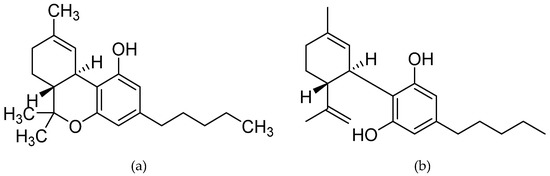
 “These data support the notion that CBD and CBDV act as functional partial agonists on dopamine D2-like receptors in vivo.
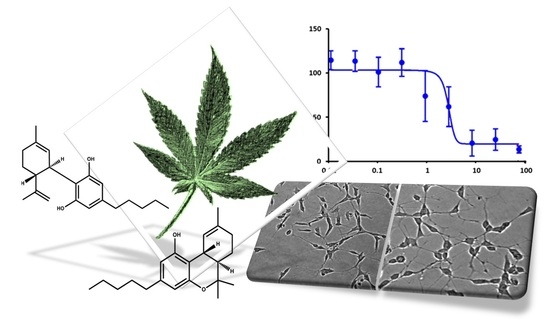
 “In this proof-of-concept study, the antioxidant activity of phytocannabinoids, namely cannabidiol (CBD) and Δ9- tetrahydrocannabinol (THC), were investigated using an in vitro system of differentiated human neuronal SY-SH5Y cells.
 “Considering lack of target-specific antiviral treatment and vaccination for COVID-19, it is absolutely exigent to have an effective therapeutic modality to reduce hospitalization and mortality rate as well as to improve COVID-19-infected patient outcomes.
 “The purpose of this study was to evaluate the antioxidant and antimicrobial properties of two extracts from a new Chinese accession (G-309) of Cannabis sativa L. (Δ9 -tetrahydrocannabinol <0.2%) with high content of propyl side chain phytocannabinoids.