What Do You Know About Maryjane? A Systematic Review of the Current Data on the THC:CBD Ratio.

Publication Cover“Ratios of delta-9-tetrahydrocannabinol (THC) and cannabidiol (CBD) impact metabolism and therapeutic effects of cannabis.

The medical and scientific communities have not drawn substantive conclusions nor thoroughly explored THC:CBD ratios for “best practice” treatment of different disease processes and their sequelae.

While there is evidence that cannabis provides medical benefits, research is lacking on standardization of medical cannabis use in modern medical practices.”

https://www.ncbi.nlm.nih.gov/pubmed/32124675

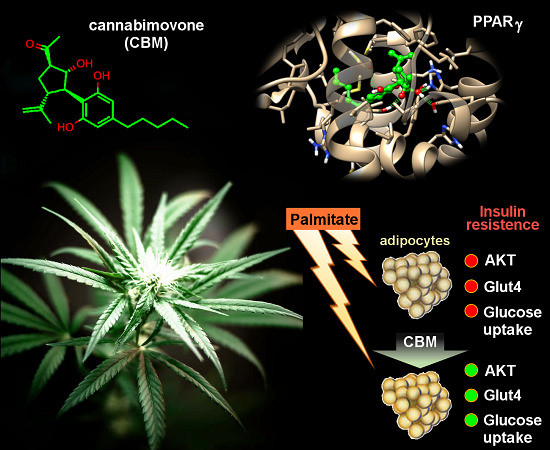
Identification and Characterization of Cannabimovone, a Cannabinoid from Cannabis sativa, as a Novel PPARγ Agonist via a Combined Computational and Functional Study.

 molecules-logo“Phytocannabinoids (pCBs) are a large family of meroterpenoids isolated from the plant Cannabis sativa. Δ9-Tetrahydrocannabinol (THC) and cannabidiol (CBD) are the best investigated phytocannabinoids due to their relative abundance and interesting bioactivity profiles. In addition to various targets, THC and CBD are also well-known agonists of peroxisome proliferator-activated receptor gamma (PPARγ), a nuclear receptor involved in energy homeostasis and lipid metabolism. In the search of new pCBs potentially acting as PPARγ agonists, we identified cannabimovone (CBM), a structurally unique abeo-menthane pCB, as a novel PPARγ modulator via a combined computational and experimental approach. The ability of CBM to act as dual PPARγ/α agonist was also evaluated. Computational studies suggested a different binding mode toward the two isoforms, with the compound able to recapitulate the pattern of H-bonds of a canonical agonist only in the case of PPARγ. Luciferase assays confirmed the computational results, showing a selective activation of PPARγ by CBM in the low micromolar range. CBM promoted the expression of PPARγ target genes regulating the adipocyte differentiation and prevented palmitate-induced insulin signaling impairment. Altogether, these results candidate CBM as a novel bioactive compound potentially useful for the treatment of insulin resistance-related disorders.”

https://www.ncbi.nlm.nih.gov/pubmed/32138197

https://www.mdpi.com/1420-3049/25/5/1119

Insight of Druggable Cannabinoids against Estrogen Receptor β in Breast Cancer.

 Publication Cover

“Breast cancer (BC) is the second most prevalent cancer worldwide.

Estrogen receptor beta (ERβ) is an essential protein of breast cells to suppress estrogen induced uncontrolled proliferation. Thus small molecules that can modulate and enhance ERβ expression would be an effective agent to suppress BC development.

Studies showed that cannabinoid (CB), specifically Delta-9-tetrahydrocannabinol (Del9THC), can increase the expression of ERβ and inhibits BC cell proliferation.

In this study, less psychoactive and structurally similar analogues of Del9THC were chosen as drug candidates and ERβ was targeted as a therapeutic receptor. Delta-8-tetrahydrocannabinol (Del8THC) and Delta-4-Isotetrahydrocannabinol (Del4isoTHC) were the drug candidates selected on the basis of literature reports, Absorption, Distribution, Metabolism, Excretion and Toxicity (ADMET) properties, medicinal chemistry profile and physicochemical features.

Molecular docking simulations were carried out to determine ligand receptor interactions and binding affinity based on free binding energy. To get a better drug, the structural modification was done on Del8THC and generated a new CB analogue called Cannabinoid A.

Finally, molecular interaction analysis revealed that two CBs and one of their analogue interact with the active site residues of ERβ. Therefore, this study revealed a new way to discover novel drug(s) for BC patients.”

https://www.ncbi.nlm.nih.gov/pubmed/32116130

https://www.tandfonline.com/doi/abs/10.1080/07391102.2020.1737233?journalCode=tbsd20

Cannabinoids and Hormone Receptor-Positive Breast Cancer Treatment.

cancers-logo “Breast cancer (BC) is the most common cancer in women worldwide. Approximately 70-80% of BCs express estrogen receptors (ER), which predict the response to endocrine therapy (ET), and are therefore hormone receptor-positive (HR+).

Endogenous cannabinoids together with cannabinoid receptor 1 and 2 (CB1, CB2) constitute the basis of the endocannabinoid system.

Interactions of cannabinoids with hypothalamic-pituitary-gonadal axis hormones are well documented, and two studies found a positive correlation between peak plasma endogenous cannabinoid anandamide with peak plasma 17β-estradiol, luteinizing hormone and follicle-stimulating hormone levels at ovulation in healthy premenopausal women. Do cannabinoids have an effect on HR+ BC? In this paper we review known and possible interactions between cannabinoids and specific HR+ BC treatments.

In preclinical studies, CB1 and CB2 agonists (i.e., anandamide, THC) have been shown to inhibit the proliferation of ER positive BC cell lines.

There is less evidence for antitumor cannabinoid action in HR+ BC in animal models and there are no clinical trials exploring the effects of cannabinoids on HR+ BC treatment outcomes. Two studies have shown that tamoxifen and several other selective estrogen receptor modulators (SERM) can act as inverse agonists on CB1 and CB2, an interaction with possible clinical consequences. In addition, cannabinoid action could interact with other commonly used endocrine and targeted therapies used in the treatment of HR+ BC.”

https://www.ncbi.nlm.nih.gov/pubmed/32106399

https://www.mdpi.com/2072-6694/12/3/525

A Review of Scientific Evidence for THC:CBD Oromucosal Spray (Nabiximols) in the Management of Chronic Pain.

“The 20% prevalence of chronic pain in the general population is a major health concern given the often profound associated impairment of daily activities, employment status, and health-related quality of life in sufferers. Resource utilization associated with chronic pain represents an enormous burden for healthcare systems. Although analgesia based on the World Health Organization’s pain ladder continues to be the mainstay of chronic pain management, aside from chronic cancer pain or end-of-life care, prolonged use of non-steroidal anti-inflammatory drugs or opioids to manage chronic pain is rarely sustainable.

As the endocannabinoid system is known to control pain at peripheral, spinal, and supraspinal levels, interest in medical use of cannabis is growing.

A proprietary blend of cannabis plant extracts containing delta-9-tetrahydrocannabinol (THC) and cannabidiol (CBD) as the principal cannabinoids is formulated as an oromucosal spray (USAN name: nabiximols) and standardized to ensure quality, consistency and stability. This review examines evidence for THC:CBD oromucosal spray (nabiximols) in the management of chronic pain conditions.

Cumulative evidence from clinical trials and an exploratory analysis of the German Pain e-Registry suggests that add-on THC:CBD oromucosal spray (nabiximols) may have a role in managing chronic neuropathic pain, although further precise clinical trials are required to draw definitive conclusions.”

https://www.ncbi.nlm.nih.gov/pubmed/32104061

https://www.dovepress.com/a-review-of-scientific-evidence-for-thccbd-oromucosal-spray-nabiximols-peer-reviewed-article-JPR

“Smoked Cannabis Proven Effective In Treating Neuropathic Pain.” https://www.sciencedaily.com/releases/2007/10/071024141745.htm

“Marijuana Relieves Chronic Pain, Research Shows” https://www.webmd.com/pain-management/news/20100830/marijuana-relieves-chronic-pain-research-show#1

Tetrahydrocannabinol and cannabidiol oromucosal spray in resistant multiple sclerosis spasticity: consistency of response across subgroups from the SAVANT randomized clinical trial.

 Publication Cover“To determine whether differences in disability status, spasticity severity, and spasticity duration at treatment start in patients with resistant multiple sclerosis (MS) spasticity might influence response to add-on tetrahydrocannabinol:cannabidiol (THC:CBD) oromucosal spray (nabiximols) versus further re-adjustment of optimized first-line antispasticity medication.

Methods: Using the database from the Sativex® as Add-on therapy Vs. further optimized first-line ANTispastics (SAVANT) study, this post hoc analysis evaluated spasticity severity (0-10 Numerical Rating Scale [NRS] scores) and pain severity (0-10 NRS scores) evolution from randomization (baseline) to week 12 (end of double-blind treatment) in defined subgroups: Expanded Disability Status Scale [EDSS] score subgroups (< 6 and ≥6); spasticity severity 0-10 NRS score subgroups (4 to ≤6 and >6), and spasticity duration subgroups (< 5 and ≥5 years).

Results: THC:CBD oromucosal spray (nabiximols) halved mean severity scores for spasticity and pain in all subgroups. Active treatment significantly improved mean spasticity severity scores versus placebo from week 4 onwards in both EDSS subgroups, in the severe spasticity subgroup, and in both spasticity duration subgroups. Active treatment significantly improved mean pain severity scores versus placebo in the ≥6 EDSS subgroup, in the severe spasticity subgroup and in both spasticity duration subgroups.

Conclusion: Add-on THC:CBD oromucosal spray (nabiximols) consistently relieves resistant spasticity across subgroups defined by baseline EDSS score, spasticity severity NRS score and spasticity duration. Patients with moderate resistant MS spasticity benefit numerically from treatment; patients with severe resistant spasticity achieve significant therapeutic gains. Spasticity-associated pain often improves similarly in the same subgroups.”

https://www.ncbi.nlm.nih.gov/pubmed/32065006

https://www.tandfonline.com/doi/abs/10.1080/00207454.2020.1730832?journalCode=ines20

Inhibition of autophagic flux differently modulates cannabidiol-induced death in 2D and 3D glioblastoma cell cultures.

 Scientific Reports“Radiotherapy combined with chemotherapy is the major treatment modality for human glioblastoma multiforme (GBM). GBMs eventually relapse after treatment and the average survival of GBM patients is less than two years.

There is some evidence that cannabidiol (CBD) can induce cell death and increases the radiosensitivity of GBM by enhancing apoptosis. Beside initiation of death, CBD has been demonstrated as an inducer of autophagy.

In the present study, we address the question whether CBD simultaneously induces a protective effect in GBM by upregulating autophagy. Addition of chloroquine that suppressed autophagic flux to 2D GBM cultures increased CBD-induced cell death, presenting proof for the protective autophagy.

Blockage of autophagy upregulated radiation-induced cytotoxicity but only modestly affected the levels of cell death in CBD- or CBD/γ-irradiated 3D GBM cultures. Furthermore, CBD enhanced the pro-apoptotic activities of JNK1/2 and MAPK p38 signaling cascades while partially downregulated the pro-survival PI3K-AKT cascade, thereby changing a balance between cell death and survival.

Suppression of JNK activation partially reduced CBD-induced cell death in 3D GBM cultures. In contrast, co-treatment of CBD-targeted cells with inhibitors of PI3K-AKT-NF-κB, IKK-NF-κB or JAK2-STAT3 pathways killed surviving GBM cells in both 2D and 3D cultures, potentially improving the therapeutic ratio of GBM.”

https://www.ncbi.nlm.nih.gov/pubmed/32060308

“Killing efficiency of cannabinoids (CBD, THC and their combination CBD+THC) against GBM in vitro and in animal experiments has been elucidated in numerous studies during the last 15 years. Additional investigations also confirmed a cytotoxic role of cannabinoids for several other types of cancer. A number of studies demonstrated the efficiency of combined treatments of cannabinoids together with γ-irradiation in both cell culture and in animal experiments.”

https://www.nature.com/articles/s41598-020-59468-4

Cannabinoid receptor expression in non-small cell lung cancer. Effectiveness of tetrahydrocannabinol and cannabidiol inhibiting cell proliferation and epithelial-mesenchymal transition in vitro.

Image result for plos one “Patients with non-small cell lung cancer (NSCLC) develop resistance to antitumor agents by mechanisms that involve the epithelial-to-mesenchymal transition (EMT). This necessitates the development of new complementary drugs, e.g., cannabinoid receptors (CB1 and CB2) agonists including tetrahydrocannabinol (THC) and cannabidiol (CBD).

The combined use of THC and CBD confers greater benefits, as CBD enhances the effects of THC and reduces its psychotropic activity. We assessed the relationship between the expression levels of CB1 and CB2 to the clinical features of a cohort of patients with NSCLC, and the effect of THC and CBD (individually and in combination) on proliferation, EMT and migration in vitro in A549, H460 and H1792 lung cancer cell lines.

METHODS:

Expression levels of CB1, CB2, EGFR, CDH1, CDH2 and VIM were evaluated by quantitative reverse transcription-polymerase chain reaction. THC and CBD (10-100 μM), individually or in combination (1:1 ratio), were used for in vitro assays. Cell proliferation was determined by BrdU incorporation assay. Morphological changes in the cells were visualized by phase-contrast and fluorescence microscopy. Migration was studied by scratch recolonization induced by 20 ng/ml epidermal growth factor (EGF).

RESULTS:

The tumor samples were classified according to the level of expression of CB1, CB2, or both. Patients with high expression levels of CB1, CB2, and CB1/CB2 showed increased survival reaching significance for CB1 and CB1/CB2 (p = 0.035 and 0.025, respectively).

Both cannabinoid agonists inhibited the proliferation and expression of EGFR in lung cancer cells, and CBD potentiated the effect of THC. THC and CBD alone or in combination restored the epithelial phenotype, as evidenced by increased expression of CDH1 and reduced expression of CDH2 and VIM, as well as by fluorescence analysis of cellular cytoskeleton.

Finally, both cannabinoids reduced the in vitro migration of the three lung cancer cells lines used.

CONCLUSIONS:

The expression levels of CB1 and CB2 have a potential use as markers of survival in patients with NSCLC. THC and CBD inhibited the proliferation and expression of EGFR in the lung cancer cells studied. Finally, the THC/CBD combination restored the epithelial phenotype in vitro.”

https://www.ncbi.nlm.nih.gov/pubmed/32049991

https://journals.plos.org/plosone/article?id=10.1371/journal.pone.0228909

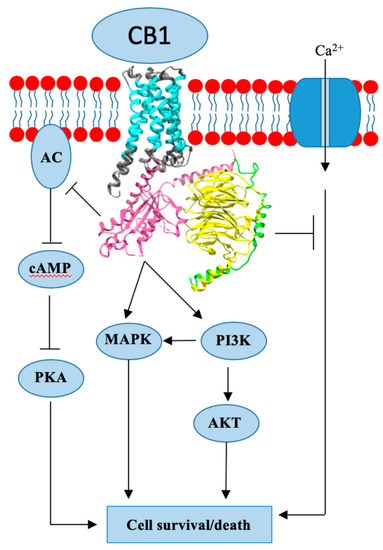
Cannabis Sativa Revisited-Crosstalk between microRNA Expression, Inflammation, Oxidative Stress, and Endocannabinoid Response System in Critically Ill Patients with Sepsis.

cells-logo“Critically ill patients with sepsis require a multidisciplinary approach, as this situation implies multiorgan distress, with most of the bodily biochemical and cellular systems being affected by the condition. Moreover, sepsis is characterized by a multitude of biochemical interactions and by dynamic changes of the immune system. At the moment, there is a gap in our understanding of the cellular, genetic, and molecular mechanisms involved in sepsis.
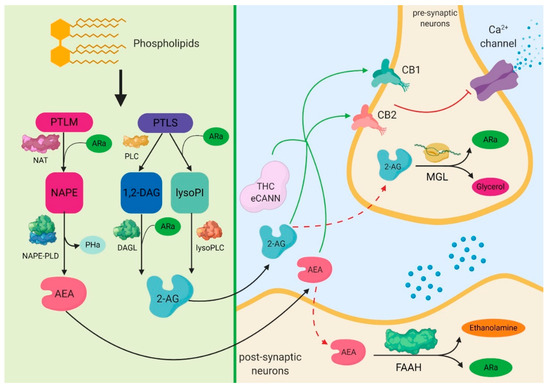
One of the systems intensely studied in recent years is the endocannabinoid signaling pathway, as light was shed over a series of important interactions of cannabinoid receptors with biochemical pathways, specifically for sepsis. Furthermore, a series of important implications on inflammation and the immune system that are induced by the activity of cannabinoid receptors stimulated by the delta-9-tetrahydrocannabinol (Δ9-THC) and cannabidiol (CBD) have been noticed.

One of the most important is their ability to reduce the biosynthesis of pro-inflammatory mediators and the modulation of immune mechanisms. Different studies have reported that cannabinoids can reduce oxidative stress at mitochondrial and cellular levels.

The aim of this review paper was to present, in detail, the important mechanisms modulated by the endocannabinoid signaling pathway, as well as of the molecular and cellular links it has with sepsis. At the same time, we wish to present the possible implications of cannabinoids in the most important biological pathways involved in sepsis, such as inflammation, redox activity, immune system, and epigenetic expression.”

https://www.ncbi.nlm.nih.gov/pubmed/32012914

https://www.mdpi.com/2073-4409/9/2/307

Tetrahydrocannabinol and Cannabidiol Use in an Outpatient Palliative Medicine Population.

Image result for American Journal of Hospice and Palliative Medicine® “Palliative medicine physicians are challenged by lack of guidance regarding effectiveness and dosing of cannabis products in the setting of their emerging popularity.

OBJECTIVE:

The aim of this study was to describe early patterns of tetrahydrocannabinol (THC) and cannabidiol (CBD) use in Florida following passage of the state’s first medical marijuana law. We describe here the perceived benefits, side effects, and beliefs expressed by patients in a single outpatient academic palliative medicine practice.

RESULTS:

In all, 24% (14/58) of respondents reported THC use, with half using THC on a daily basis. Patients reported improvements in pain, appetite, and nausea. In all, 71% (10/14) began using THC after the diagnosis of their chronic illness, and the most common form of usage was vaping. In all, 24% (14/58) of patients reported CBD use. Patients reported improvements in pain, and the most common form of usage was topical application. None of the patients had used CBD prior to the onset of their chronic illness. In all, 21% (3/14) of THC users and 21% (3/14) of CBD users thought that their substance was helping to cure their illness. Individual reported side effects in both groups were minimal.

CONCLUSIONS:

Approximately a quarter of outpatient palliative care patients use THC or CBD, often on a daily basis. Palliative care providers should be aware of the frequency, diverse usage, and beliefs behind cannabis product use in this patient population.”

https://www.ncbi.nlm.nih.gov/pubmed/31986898

https://journals.sagepub.com/doi/10.1177/1049909119900378