
 “While natural Δ9-tetrahidrocannabinol (Δ9THC), cannabidiol (CBD), and their therapeutic potential have been extensively researched, some cannabinoids have not been widely investigated.
The present article compiles data from the literature that highlights research on and the therapeutic possibilities of lesser known phytocannabinoids, which we have divided into varinic, acidic, and “minor” (i.e., cannabinoids that are not present in high quantities in common varieties of Cannabis sativa L).
A growing interest in these compounds, which are enriched in some cannabis varieties, has already resulted in enough preclinical information to show that they are promising therapeutic agents for a variety of diseases.
Each phytocannabinoid has a “preferential” mechanism of action, and often target the cannabinoid receptors CB1 and/or CB2. The recent resolution of the structure of cannabinoid receptors demonstrates the atypical nature of cannabinoid binding, and that different binding modes depend on the agonist or partial agonist/inverse agonist, which allows for differential signaling, even acting on the same cannabinoid receptor. In addition, other players and multiple signaling pathways may be targeted/engaged by phytocannabinoids, thereby expanding the mechanistic possibilities for therapeutic use.”
https://www.ncbi.nlm.nih.gov/pubmed/32416215
https://www.sciencedirect.com/science/article/abs/pii/S1043661820311099?via%3Dihub
 “An emerging area of preclinical research has investigated whether drug use in parents prior to conception influences drug responsivity in their offspring.
 “Cannabis sativa and its principal components, Δ9-tetrahydrocannabinol (Δ9-THC) and
 “To examine acute and residual mood and cognitive performance in young adult regular
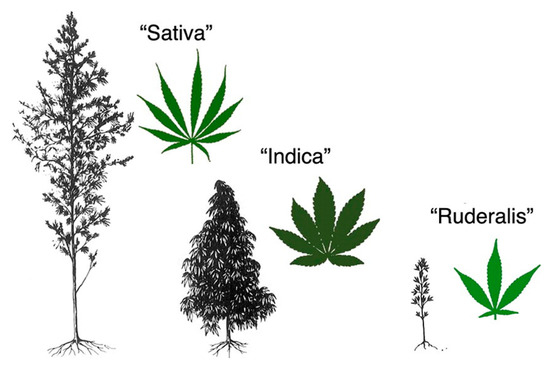
 “Cannabis sativa is an aromatic annual flowering plant with several botanical varieties, used for different purposes, like the production of fibers, the production of oil from the seeds, and especially for recreational or medical purposes.
 “Borderline Personality Disorder (BPD) is a chronic debilitating psychiatric disorder characterized mainly by emotional instability, chaotic interpersonal relationships, cognitive disturbance (e.g. dissociation and suicidal thoughts) and maladaptive behaviors. BPD has a high rate of comorbidity with other mental disorders and high burden on society.

 “An increasing number of patients are turning to
 “Cannabis has been used to relieve the symptoms of disease for thousands of years. However, social and political biases have limited effective interrogation of the potential benefits of cannabis and polarised public opinion.
 “The pathophysiological relevance of the endocannabinoid system has been widely demonstrated in a variety of diseases including cancer, neurological disorders, and metabolic issues. Therefore, targeting the receptors and the endogenous machinery involved in this system can provide a successful therapeutic outcome.