Cannabis Sativa Revisited-Crosstalk between microRNA Expression, Inflammation, Oxidative Stress, and Endocannabinoid Response System in Critically Ill Patients with Sepsis.

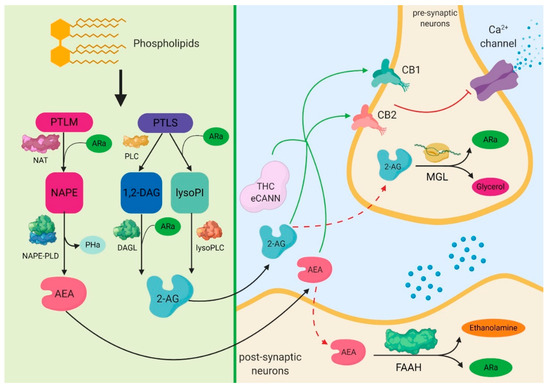
cells-logo“Critically ill patients with sepsis require a multidisciplinary approach, as this situation implies multiorgan distress, with most of the bodily biochemical and cellular systems being affected by the condition. Moreover, sepsis is characterized by a multitude of biochemical interactions and by dynamic changes of the immune system. At the moment, there is a gap in our understanding of the cellular, genetic, and molecular mechanisms involved in sepsis.

One of the systems intensely studied in recent years is the endocannabinoid signaling pathway, as light was shed over a series of important interactions of cannabinoid receptors with biochemical pathways, specifically for sepsis. Furthermore, a series of important implications on inflammation and the immune system that are induced by the activity of cannabinoid receptors stimulated by the delta-9-tetrahydrocannabinol (Δ9-THC) and cannabidiol (CBD) have been noticed.

One of the most important is their ability to reduce the biosynthesis of pro-inflammatory mediators and the modulation of immune mechanisms. Different studies have reported that cannabinoids can reduce oxidative stress at mitochondrial and cellular levels.

The aim of this review paper was to present, in detail, the important mechanisms modulated by the endocannabinoid signaling pathway, as well as of the molecular and cellular links it has with sepsis. At the same time, we wish to present the possible implications of cannabinoids in the most important biological pathways involved in sepsis, such as inflammation, redox activity, immune system, and epigenetic expression.”

https://www.ncbi.nlm.nih.gov/pubmed/32012914

https://www.mdpi.com/2073-4409/9/2/307
Tetrahydrocannabinol and Cannabidiol Use in an Outpatient Palliative Medicine Population.

Image result for American Journal of Hospice and Palliative Medicine® “Palliative medicine physicians are challenged by lack of guidance regarding effectiveness and dosing of cannabis products in the setting of their emerging popularity.
OBJECTIVE:

The aim of this study was to describe early patterns of tetrahydrocannabinol (THC) and cannabidiol (CBD) use in Florida following passage of the state’s first medical marijuana law. We describe here the perceived benefits, side effects, and beliefs expressed by patients in a single outpatient academic palliative medicine practice.

RESULTS:

In all, 24% (14/58) of respondents reported THC use, with half using THC on a daily basis. Patients reported improvements in pain, appetite, and nausea. In all, 71% (10/14) began using THC after the diagnosis of their chronic illness, and the most common form of usage was vaping. In all, 24% (14/58) of patients reported CBD use. Patients reported improvements in pain, and the most common form of usage was topical application. None of the patients had used CBD prior to the onset of their chronic illness. In all, 21% (3/14) of THC users and 21% (3/14) of CBD users thought that their substance was helping to cure their illness. Individual reported side effects in both groups were minimal.

CONCLUSIONS:

Approximately a quarter of outpatient palliative care patients use THC or CBD, often on a daily basis. Palliative care providers should be aware of the frequency, diverse usage, and beliefs behind cannabis product use in this patient population.”

https://www.ncbi.nlm.nih.gov/pubmed/31986898

https://journals.sagepub.com/doi/10.1177/1049909119900378

The Role of Cannabidiol (CBD) in Chronic Pain Management: An Assessment of Current Evidence.

 “Given the growing challenges in chronic pain management coupled with the ongoing consequences of the opioid epidemic, pain management practitioners are looking into more effective, innovative, and safer alternatives to treat pain.

Cannabis-based medicine had been described for hundreds of years but only recently have we seen the more scientific, evidence-based approach to its use, and ongoing investigations continue to explore its potential medical benefits.

While historically more attention has been paid to the psychoactive component of the cannabis plant Δ9-tetrahydrocannabinol (THC), there have been fewer scientific studies on the medical use of the cannabidiol (CBD) – a non-psychoactive component of the cannabis plant.

RECENT FINDINGS:

By examining recent literature, we investigated the use of CBD and its potential role in pain management. Since there are currently no approved pharmaceutical products that contain CBD alone for the management of pain, this review focused on nabiximols (which is a combined product of THC/CBD in a 1:1 ratio) as the only pharmaceutical product available that contains CBD and is being used for the management of pain.

It is difficult to definitely attribute the therapeutic properties to CBD alone since it is always administered with THC.

Based on the available literature, it is difficult to make a recommendation for the use of CBD in chronic pain management. It is also important to note that there are many CBD products currently available as supplements, but these products are non-pharmaceuticals and lack the appropriate clinical studies to support their efficacy claims.”

https://www.ncbi.nlm.nih.gov/pubmed/31980957 

https://link.springer.com/article/10.1007%2Fs11916-020-0835-4

Phytocannabinoids in Neurological Diseases: Could They Restore a Physiological GABAergic Transmission?

ijms-logo“γ-Aminobutyric acid type A receptors (GABAARs) are the main inhibitory mediators in the central nervous system (CNS). GABAARs are pentameric ligand gated ion channels, and the main subunit composition is usually 2α2βγ, with various isotypes assembled within a set of 19 different subunits. The inhibitory function is mediated by chloride ion movement across the GABAARs, activated by synaptic GABA release, reducing neuronal excitability in the adult CNS. Several studies highlighted the importance of GABA-mediated transmission during neuro-development, and its involvement in different neurological and neurodevelopmental diseases, from anxiety to epilepsy. However, while it is well known how different classes of drugs are able to modulate the GABAARs function (benzodiazepines, barbiturates, neurosteroids, alcohol), up to now little is known about GABAARs and cannabinoids interaction in the CNS. Endocannabinoids and phytocannabinoids are lately emerging as a new class of promising drugs for a wide range of neurological conditions, but their safety as medication, and their mechanisms of action are still to be fully elucidated. In this review, we will focus our attention on two of the most promising molecules (Δ9-tetrahydrocannabinol; Δ9-THC and cannabidiol; CBD) of this new class of drugs and their possible mechanism of action on GABAARs.”

https://www.ncbi.nlm.nih.gov/pubmed/31979108

https://www.mdpi.com/1422-0067/21/3/723

Allosteric Cannabinoid Receptor 1 (CB1) Ligands Reduce Ocular Pain and Inflammation.

molecules-logo“Cannabinoid receptor 1 (CB1) activation has been reported to reduce transient receptor potential cation channel subfamily V member 1 (TRPV1)-induced inflammatory responses and is anti-nociceptive and anti-inflammatory in corneal injury.

We examined whether allosteric ligands, can modulate CB1 signaling to reduce pain and inflammation in corneal hyperalgesia.

Corneal hyperalgesia was generated by chemical cauterization of cornea in wildtype and CB2 knockout (CB2-/-) mice. The novel racemic CB1 allosteric ligand GAT211 and its enantiomers GAT228 and GAT229 were examined alone or in combination with the orthosteric CB1 agonist Δ8-tetrahydrocannabinol (Δ8-THC). Pain responses were assessed following capsaicin (1 µM) stimulation of injured corneas at 6 h post-cauterization. Corneal neutrophil infiltration was also analyzed. GAT228, but not GAT229 or GAT211, reduced pain scores in response to capsaicin stimulation.

Combination treatments of 0.5% GAT229 or 1% GAT211 with subthreshold Δ8-THC (0.4%) significantly reduced pain scores following capsaicin stimulation. The anti-nociceptive effects of both GAT229 and GAT228 were blocked with CB1 antagonist AM251, but remained unaffected in CB2-/- mice. Two percent GAT228, or the combination of 0.2% Δ8-THC with 0.5% GAT229 also significantly reduced corneal inflammation.

CB1 allosteric ligands could offer a novel approach for treating corneal pain and inflammation.”

https://www.ncbi.nlm.nih.gov/pubmed/31968549

https://www.mdpi.com/1420-3049/25/2/417

The effect of orally administered dronabinol on optic nerve head blood flow in healthy subjects- a randomized clinical trial.

Publication cover image“It has been hypothesized that besides its intraocular pressure (IOP) lowering potential, tetrahydrocannabinol (THC) may also improve ocular hemodynamics.

The aim of the present study was to investigate whether single oral administration of dronabinol, a synthetic THC, alters optic nerve head blood flow (ONHBF) and its regulation in healthy subjects.

The study was carried out in a randomized, placebo-controlled, double-masked, two-way crossover design in twenty-four healthy subjects. For each study participant, two study days were scheduled, on which they either received capsules containing 5mg dronabinol or placebo. ONHBF was measured with laser Doppler flowmetry at rest and while the study participants performed isometric exercise for six minutes to increase mean arterial blood pressure (MAP). This was repeated one hour after drug intake. Ocular perfusion pressure (OPP) was calculated as 2/3MAP-IOP.

Dronabinol was well tolerated and no cannabinoid-related psychoactive effects were reported.

Neither administration of dronabinol nor placebo had an effect on IOP, MAP or OPP. In contrast, dronabinol significantly increased ONHBF at rest by 9.5±8.1% whereas placebo did not show a change in ONHBF (0.3±7.4% vs. baseline, p<0.001 between study days). Dronabinol did not alter the autoregulatory response of ONHBF to isometric exercise.

In conclusion, the present data indicate that low dose dronabinol increases ONHBF in healthy subjects without affecting IOP, OPP or inducing psychoactive side effects. In addition, dronabinol does not alter the autoregulatory response of ONHBF to an experimental increase in OPP. Further studies are needed to investigate whether this effect can also be observed in glaucoma patients.”

https://www.ncbi.nlm.nih.gov/pubmed/31977076

https://ascpt.onlinelibrary.wiley.com/doi/abs/10.1002/cpt.1797

A Review on Studies of Marijuana for Alzheimer’s Disease – Focusing on CBD, THC.

book “This study was to discuss the research trend of dementia treatment using cannabis for the purpose of providing the basis of cannabis use for medical purposes in the future.

RESULTS:

These results implied that the CBD components of cannabis might be useful to treat and prevent AD because CBD components could suppress the main causal factors of AD.

Moreover, it was suggested that using CBD and THC together could be more useful than using CBD or THC alone.

CONCLUSION:

We hope that there will be a solid foundation to use cannabis for medical use by continuously evaluating the possibility of using cannabis for clinical purposes as a dementia treatment substance and cannabis can be used as a positive tool.”

https://www.ncbi.nlm.nih.gov/pubmed/31970019

“The ideal treatment for Alzheimer’s disease (AD) should be able to modulate the disease through multiple mechanisms rather than targeting a single dysregulated pathway.” http://www.ncbi.nlm.nih.gov/pubmed/25147120                                                             

“THC could be a potential therapeutic treatment option for Alzheimer’s disease through multiple functions and pathways.” http://www.ncbi.nlm.nih.gov/pubmed/25024327

 “CBD treatment would be in line with preventative, multimodal drug strategies targeting a combination of pathological symptoms, which might be ideal for AD #therapy.” http://www.ncbi.nlm.nih.gov/pubmed/27471947
“Combination of THC and CBD exhibits a better therapeutic profile than each cannabis component alone and support the consideration of a cannabis-based medicine as potential therapy against AD.” http://www.ncbi.nlm.nih.gov/pubmed/25125475

Source of cannabinoids: what is available, what is used, and where does it come from?

John Libbey Eurotext“Cannabis sativa L. is an ancient medicinal plant wherefrom over 120 cannabinoids are extracted. In the past two decades, there has been increasing interest in the therapeutic potential of cannabis-based treatments for neurological disorders such as epilepsy, and there is now evidence for the medical use of cannabis and its effectiveness for a wide range of diseases.

Cannabinoid treatments for pain and spasticity in patients with multiple sclerosis (Nabiximols) have been approved in several countries. Cannabidiol (CBD), in contrast to tetra-hydro-cannabidiol (THC), is not a controlled substance in the European Union, and over the years there has been increasing use of CBD-enriched extracts and pure CBD for seizure disorders, particularly in children. No analytical controls are mandatory for CBD-based products and a pronounced variability in CBD concentrations in commercialized CBD oil preparations has been identified.

Randomized controlled trials of plant-derived CBD for treatment of Lennox-Gastaut syndrome (LGS) and Dravet syndrome (DS) have provided evidence of anti-seizure effects, and in June 2018, CBD was approved by the Food and Drug Administration as an add-on antiepileptic drug for patients two years of age and older with LGS or DS. Medical cannabis, with various ratios of CBD and THC and in different galenic preparations, is licensed in many European countries for several indications, and in July 2019, the European Medicines Agency also granted marketing authorisation for CBD in association with clobazam, for the treatment of seizures associated with LGS or DS.

The purpose of this article is to review the availability of cannabis-based products and cannabinoid-based medicines, together with current regulations regarding indications in Europe (as of July 2019). The lack of approval by the central agencies, as well as social and political influences, have led to significant variation in usage between countries.”

https://www.ncbi.nlm.nih.gov/pubmed/31941643

https://www.jle.com/fr/revues/epd/e-docs/source_of_cannabinoids_what_is_available_what_is_used_and_where_does_it_come_from__316043/article.phtml

Use of cannabinoids in cancer patients: A Society of Gynecologic Oncology (SGO) clinical practice statement.

Gynecologic Oncology“Tetrahydrocannabinol (THC), cannabidiol (CBD) and cannabinol (CBN) affect the human endocannabinoid system.

Cannabinoids reduce chemotherapy induced nausea or vomiting (CINV) and neuropathic pain.

Each state has its own regulations for medical and recreational cannabis use.

Effects of cannabinoids on chemotherapy, immunotherapy, and tumor growth remain under investigation.

Providers should focus indications, alternatives, risks and benefits of medical cannabis use to make appropriate referrals.”

https://www.ncbi.nlm.nih.gov/pubmed/31932107

https://www.gynecologiconcology-online.net/article/S0090-8258(19)31805-0/fulltext

Nightmares and the Cannabinoids.

“The cannabinoids, δ9 tetrahydrocannabinol and its analogue, nabilone, have been found to reliably attenuate the intensity and frequency of post-traumatic nightmares.

This essay examines how a traumatic event is captured in the mind after just a single exposure and repeatedly replicated during the nights that follow.

The adaptive neurophysiological, endocrine and inflammatory changes that are triggered by the trauma and that alter personality and behavior are surveyed. These adaptive changes, once established, can be difficult to reverse. But cannabinoids, uniquely, have been shown to interfere with all of these post-traumatic somatic adaptations.

While cannabinoids can suppress nightmares and other symptoms of the post-traumatic stress disorder, they are not a cure. There may be no cure.

The cannabinoids may best be employed, alone, but more likely in conjunction with other agents, in the immediate aftermath of a trauma to mitigate or even abort the metabolic changes which are set in motion by the trauma and which may permanently alter the reactivity of the nervous system. Steps in this direction have already been taken.”

https://www.ncbi.nlm.nih.gov/pubmed/31934840

http://www.eurekaselect.com/178302/article